EN
EN
Construction firms, contractors, mining operations, agriculture, and infrastructure developers have to make important financial and operational decisions about whether to purchase or rent their heavy machinery like TOBETER's excavators, backhoes, wheel loaders, and bulldozers. Large machinery represents large dollar investments, and the way in which a company acquires that machinery can have an impact on profitability, flexibility, and long-term growth. There is not one answer to the buy/rent decision because the appropriate decision can depend on factors such as the stability of workload, availability of cash, utilization rates, and the economy in general. A more thoughtful evaluation that takes into consideration reasons other than cost will better allow an organization to develop their equipment strategy in line with their operational objectives.
How equipment is purchased determines how it shows up on the balance sheet. When a company purchases equipment, it converts cash into a long-term capital asset. As the machine depreciates, it reduces the amount of income to be taxed. On the other hand, when renting, there is an expense shown in the income statement, but no depreciation occurs on the balance sheet as you are spreading out the monthly payment for the number of months rental is occurring, which means that capital can be retained while also improving short-term liquidity.
Purchasing equipment involves a large investment (cash) or financing in order to purchase the asset, but as long as you are using your asset on a steady basis and maintaining it correctly, it can provide you with a long-term return on that investment. Renting allows you to avoid significant cash investments, making it very helpful when needing to keep your cash flow flexible. The primary financial question is not simply outer “Which arrangement you are going with is the least expensive?” but more importantly “Which method of acquisition will provide me the best support of my operational model and long-term financial stability?”
Why Buying May Be Strategy ?
Purchasing becomes a good option when the amount of time you are able to use the machine consistently is significant and when you have predictability concerning that use. The longer that the machinery is used throughout the year on working days, the lower the average cost per hour for the machinery as an asset.Similar to purchasing rental property for an investment, owning long-term assets, such as backhoe loaders, may provide a higher value than renting, especially when a company has multiple long-term projects and will be utilizing their equipment almost daily.
Infrastructure contracts that are for multiple years will allow for this as well since, over these extended periods, a company can spread the purchase costs of the equipment used over that same time period whilst still experiencing a reasonable return on their investment based on the initial value of the equipment. Prior to resale, a company's total rental payments for their equipment could actually exceed the net value of that same equipment if it retains a strong resale value.
Another advantage of owning equipment versus renting is operational control. Companies that own their fleets can configure their machines with unique attachments or telematics and brand the machines with their logo. Maintenance schedules can also be developed according to a company's standards instead of based on the rental agreements. By maintaining control over their equipment, companies increase reliability and guarantee equipment availability when required due to the criticality of the equipment at scheduled points in time.
Tax benefits can also be realized through the depreciation of purchased equipment in many jurisdictions, thus lowering the taxable income of the company. The use of accelerated depreciation methods can further enhance the after-tax returns companies achieve; therefore, the financial case for ownership in companies that are stable and profitable is significantly improved. However, one area that requires additional resources and planning to be successful is owning equipment as there are associated responsibilities such as maintenance and repair, insurance, storage, transportation and resale that must be timely completed and efficiently executed for the financial benefit of ownership to be maintained. If these areas are poorly managed, the financial advantages associated with owning equipment can be lost quickly.
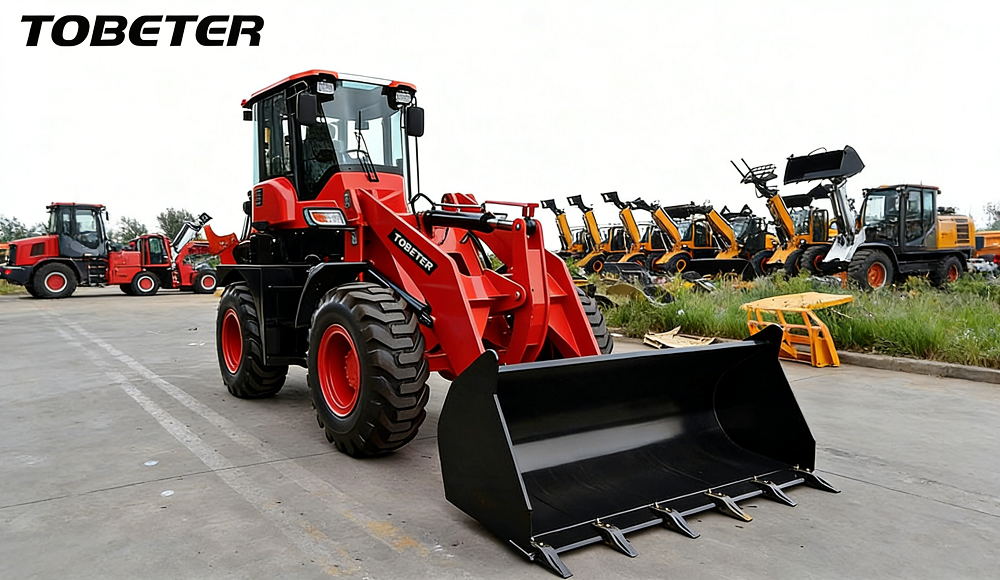
Renting Equipment Provides Increased Flexibility
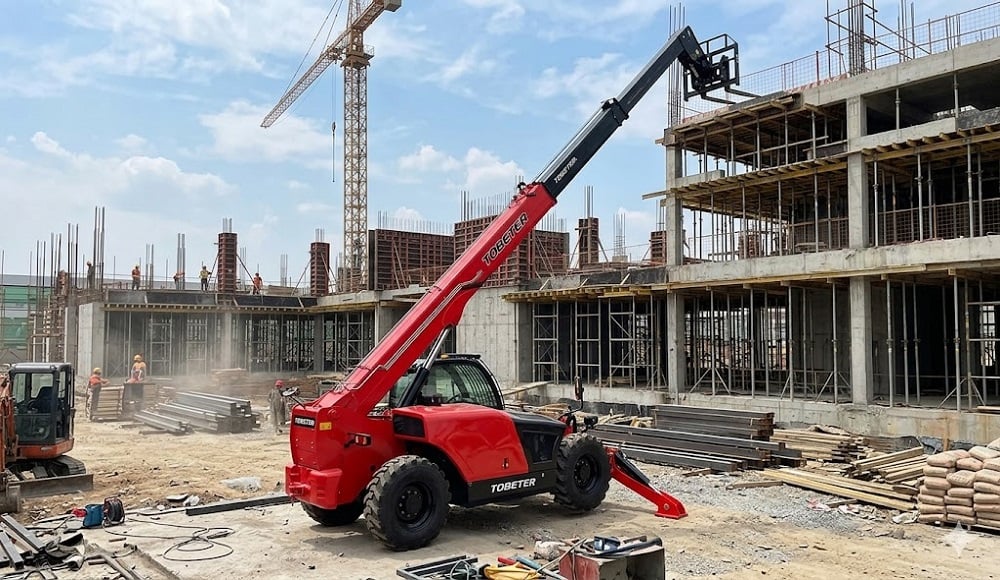
Rental equipment is an ideal solution for companies needing equipment for a limited duration or for uncertain equipment requirements. Rental equipment is typically a better solution for limitations associated with the availability of funds for longer-term projects, seasonal agricultural operations and specialty construction tasks than would be the case if the entire cost of the equipment were to be incurred as a purchase. For small to mid-sized companies, renting equipment is also a way to preserve working capital. This allows companies to allocate their operating capital toward purchases related to the expansion of their workforce, materials, advertising or technology upgrades instead of tying up a significant portion of capital in one asset.Flexibility is extremely important, especially in the early stages of growth.
Renting also reduces maintenance risk. When renting, you typically have a contractual obligation for the service and support of the machine. So, when you need to get your heavy equipment fixed, rental companies have the resources to help you avoid any unexpected expensive repairs. Companies that do not have their own mechanics often take advantage of this benefit by passing the responsibility to their rental company. Another benefit of renting heavy equipment is having access to new technology. Heavy equipment is developing very quickly, particularly with regards to new ways of electrification, improving fuel efficiency and compliance with emissions regulations. By renting heavy equipment, they can utilize the most recent advancements in machine technology without having to be responsible for the long-term ownership of that equipment as it develops at such a rapid pace.
Renting also has a great deal of protection against market risks associated with the cyclical nature of the construction and mining industries. When the economy slows, companies that have a large inventory of owned equipment may be hit significantly hard as their equipment is now underutilized. By renting equipment, a company will not be exposed to as much risk, since the cost of the equipment will be directly aligned with the company’s project activity.
Evaluating Utilization Rates
Utilization rates (how many hours per year a machine is being used to its maximum potential) is probably the most important consideration in the rent vs. buy analysis. If a machine is running at or near full capacity for the entire year, it will typically justify the cost of ownership of the machine. However, if a machine is sitting idle for long periods of time, it will become a financial drain if owned.
One of the simplest ways to evaluate the economic consequences of renting vs. purchasing is to apply a projected annual operating hour estimate to the total cost of ownership. If the financial cost of ownership is lower than the effective hourly rental cost over the expected life of the machine, it may be prudent to purchase the machine instead of renting it. Conversely, if the effective hourly rental cost is less than the total cost of ownership, then renting is the better option. It is important that the total cost of ownership analysis includes not only the purchase price of the equipment, but also financing costs, fuel use, maintenance costs, insurance costs and anticipated resale value at the end of the expected service life of the equipment. A holistic total cost of ownership analysis allows a clearer understanding of the choices available beyond the headline price.Maintenance and Lifecycle Issues are Critical
You must develop a structured maintenance programme to maintain proper equipment operational performance and protect your value of heavy equipment. Companies with strong service departments can manage their lifecycle costs and maximise return on investment better than those without. Companies that lack any maintenance infrastructure will have increased risks of unplanned downtime and increased risks of repair costs. Renters manage maintenance on behalf of the rental company, thus providing comfort when making maintenance-related decisions. Durability is also a significant factor. Equipment constructed with robust frames, reliable hydraulic systems, and efficient engines generally have greater resale values and lower total lifecycle costs than poorly manufactured machines. As a result, purchasing quality equipment will add financial justification for ownership by reducing total ownership costs over time.
Cash Flow and Financing Issues
Economic factors will impact equipment purchasing decisions. Interest rates are lower with favourable lending terms, so then purchasing will be much more attractive than when interest rates and financing costs are higher, and renting will be more attractive than purchasing. Companies with large amounts of cash on hand will find it easier to absorb an upfront investment. Companies with tight cash flows will typically prefer a reliable rental payment option to a large capital outlay. Long term strategic planning should include both current financial situations and future revenue expectations. Therefore the decision to purchase equipment should align with reasonable growth expectations and avoid unrealistic growth expectations.
Risk and Market Cycles
There are a variety of external factors that affect the market for heavy equipment (e.g., building cycles, commodity prices, governments’ high. During slow periods, owners of idle equipment face challenges with profitability. Therefore, renting machines provides a level of flexibility in uncertain times. Companies that rent machinery can adjust their operations to economic conditions, as they are not burdened by ownership of depreciating assets. For growing businesses in unstable industries, being able to modify operations and take advantage of additional capacity without the long-term capital commitment associated with owning the asset is of great value compared to any potential savings associated with ownership.
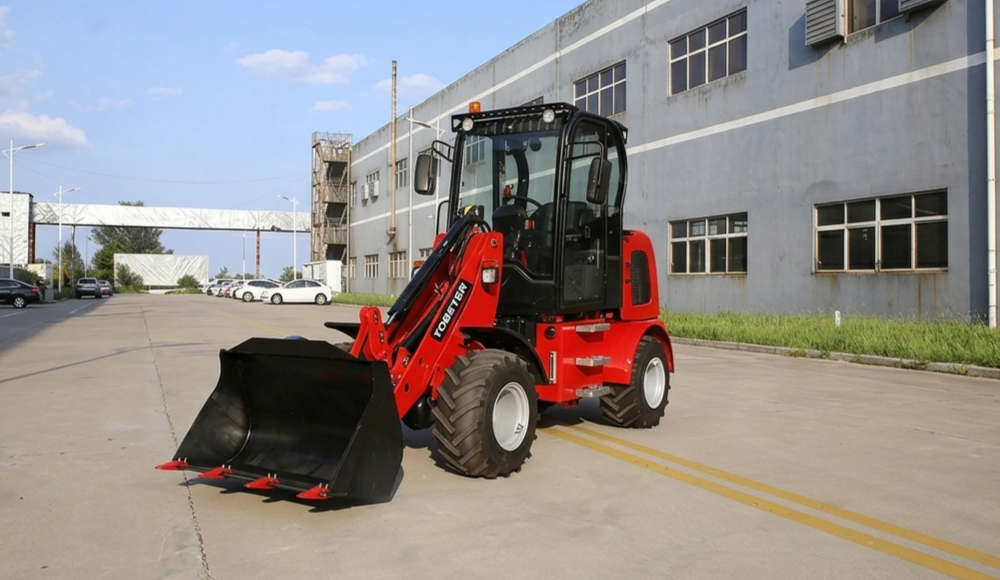
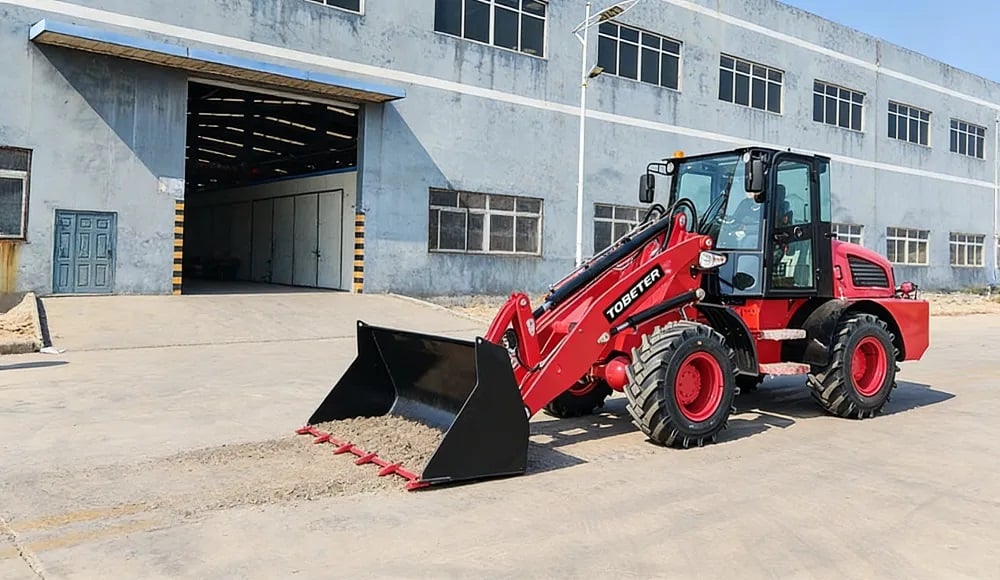
A balanced risk analysis looks at existing demand levels and potential future changes in that demand. The majority of experienced contractors use a combination of both methods. Owned equipment that is consistently used, such as backhoe and wheel loaders, will usually be owned by the contractor. Less frequently used, specialized equipment would be rented as needed. This hybrid method allows for cost efficiency and flexibility, as it allows for the rental of equipment in order to reduce short-term capital commitment while maintaining sufficient amounts of equipment to meet the needs of the contractor.
This combination has the potential to add value, but takes extensive planning to achieve the ideal level of operational efficiencies. More companies are impacted by environmental regulations and other similar requirements when purchasing machinery. Due to increasing emissions regulations around the world, many companies are considering more electric and hybrid machines. As a consequence, renting enables lessors to gain access to environmentally-compliant machines, whereas ownership provides lessors with potential future liabilities for providing compliant equipment in the form of owned machines. Environmental and regulatory objectives, sustainability goals, and corporate environmental factors should be used to evaluate whether to rent or own equipment when making a finish product determination.
Conclusion
There is no one-size-fits-all answer to whether to rent or own equipment. The answer requires each company to take into consideration its own criteria for the use of that equipment, including its expected utilization rate, financial stability, ability to maintain equipment, and conditions in the marketplace, in addition to the company’s long-term objectives. Buying equipment may be the best option when utilization is expected to be high and there are long-term projects that require the same equipment, provided that the use of the machinery will be within its design parameters as well as meet the contractor’s infrastructure demand for maintenance of the equipment.
Renting provides logistical flexibility, a reduced amount of capital risk, and access to new or modern technology for companies that cannot determine, at this time, how they will utilize the asset. Ultimately, the best contractors evaluate whether to the decision to rent or buy from a data analysis perspective. In order to come to a conclusion, contractors will determine the entire lifecycle expense of the equipment, forecast between realistic expected utilization rates versus total potential utilization rates, assess its own financial viability, and ensure that its equipment acquisition strategy is aligned with its company's overall goals. Whether the contractor chooses to rent, buy, or utilize the hybrid method, well-structured planning will allow for a successful equipment purchase and will enable the contractor to be productive, profitable, and grow sustainably.