EN
EN
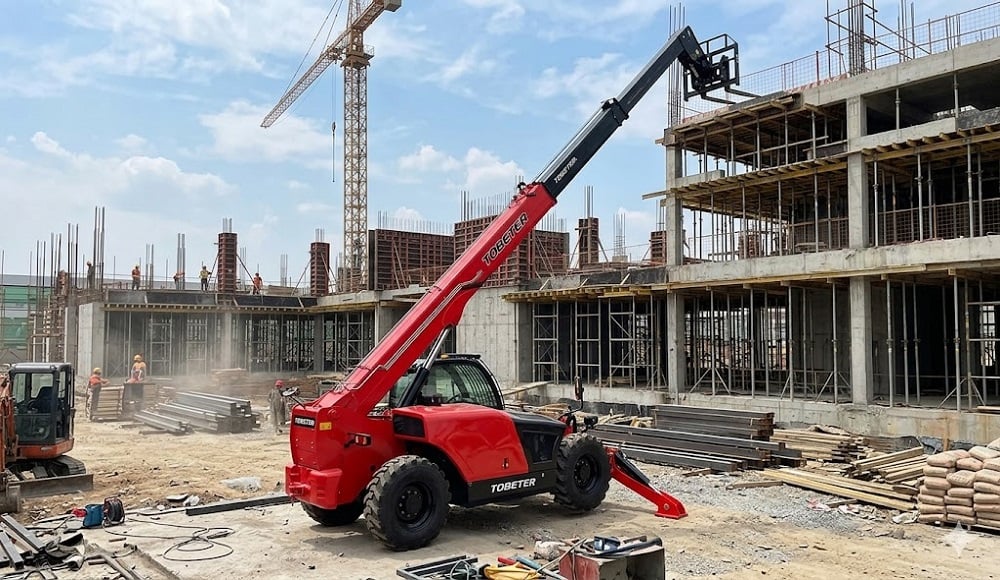
Construction lifting equipment plays a vital role in modern building projects, helping contractors move heavy materials efficiently and safely. Among the most widely used machines on construction sites is the telehandler, also known as a telescopic handler. With its versatility, lifting power, and extended reach, a telehandler is essential for material handling in construction, industrial, and infrastructure projects.
However, because telehandlers operate in demanding environments and frequently lift heavy loads at height, strict safety standards are necessary to ensure safe operation.
Telehandlers combine the functions of a forklift and a crane, making them highly flexible but also more complex to operate. Improper operation, excessive loads, unstable ground conditions, or poor maintenance can lead to serious accidents such as overturning, falling materials, or equipment failure.
Safety standards help reduce these risks by providing clear requirements for machine design, load control, stability systems, operator training, and maintenance procedures. Construction companies that follow recognized safety regulations can minimize workplace injuries, avoid project delays, and improve overall operational reliability.
In addition, compliance with international safety standards enhances customer confidence and demonstrates a manufacturer’s commitment to product quality and worker safety.
Telehandlers used in construction projects must comply with various international and regional safety standards. These regulations ensure that lifting equipment meets strict performance and safety requirements.
The Occupational Safety and Health Administration (OSHA) establishes safety regulations for lifting equipment in the United States. OSHA guidelines for telehandlers include operator certification, proper load handling, equipment inspection, and safe working distances from power lines and other hazards.
OSHA also requires employers to ensure that telehandlers are used only within their rated lifting capacity and according to manufacturer instructions.
The International Organization for Standardization (ISO) provides globally recognized standards for machinery safety and equipment quality. ISO standards related to telehandlers focus on structural stability, braking systems, visibility, and safe operation under different working conditions.
Compliance with ISO standards helps manufacturers deliver reliable equipment suitable for international markets.
For telehandlers sold in the European market, CE certification is an important requirement. CE standards evaluate machine safety, environmental performance, and operational reliability. Equipment that meets CE requirements demonstrates compliance with European health and safety regulations.
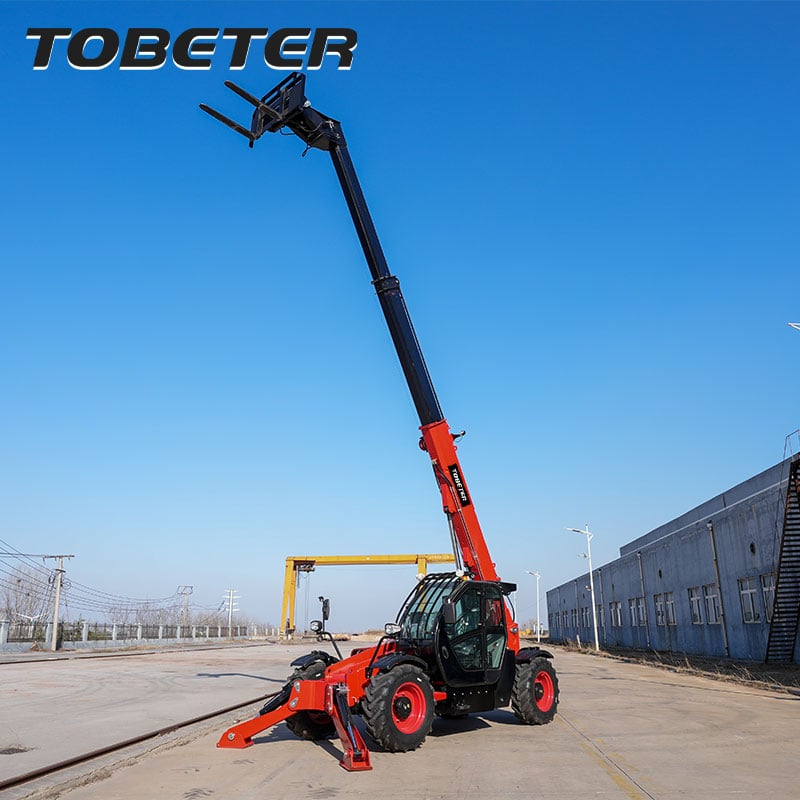
Modern telehandlers are equipped with advanced safety technologies that help reduce operational risks on construction sites.
One of the most important safety features in a telehandler is the load management system. This technology monitors the weight and boom position during lifting operations. If the load exceeds the safe working limit, the system automatically warns the operator or restricts further movement to prevent overturning.
Telehandlers often operate on uneven terrain, making stability extremely important. Stabilizers and automatic stability control systems help maintain balance when lifting heavy materials at extended heights.
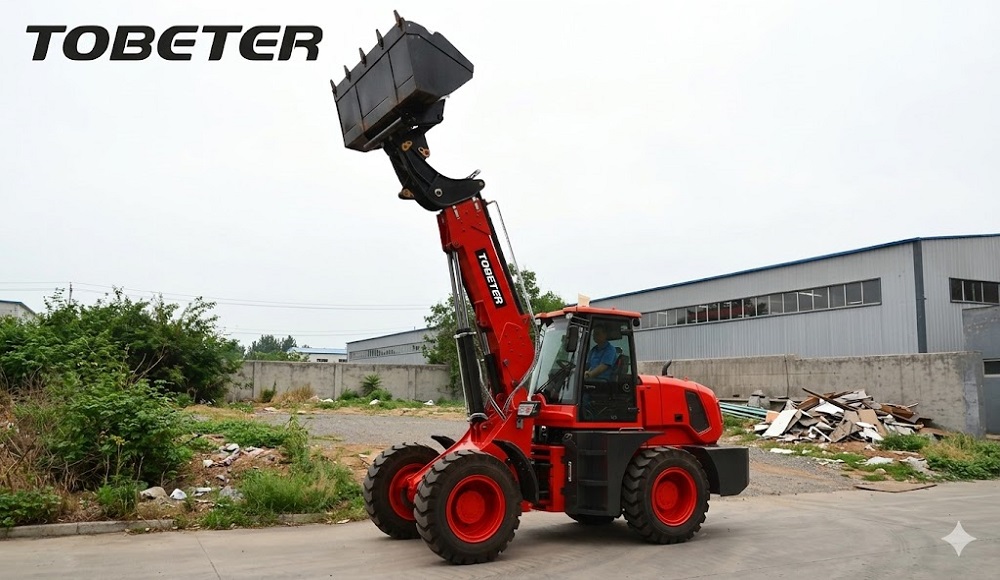
Manufacturers like Tobeter focus on designing telehandlers with reliable structural engineering to improve machine stability and reduce the risk of tipping accidents.
Advanced braking systems are critical for safe operation, especially on sloped or rough construction sites. Emergency braking functions help operators maintain control during unexpected situations and improve overall machine safety.
A well-designed operator cabin improves visibility and reduces blind spots. Modern telehandlers are often equipped with safety glass, ergonomic controls, warning alarms, and camera systems to help operators maintain better awareness of their surroundings.
Even the safest telehandler can become dangerous if operated incorrectly. Proper operator training is essential for safe construction lifting operations.
Operators should understand machine load limits, terrain assessment, lifting techniques, and emergency procedures. They must also learn how to inspect the equipment before use and identify potential hazards on the job site.
Many countries require certified telehandler operators to complete professional safety training programs. Regular refresher training is also recommended to keep operators updated on the latest safety practices and equipment technologies.
Routine inspection and maintenance are key parts of telehandler safety management. Daily inspections should include checking tires, hydraulic systems, brakes, forks, boom structures, and safety devices.
Any damaged or worn components should be repaired immediately before the equipment is used. Preventive maintenance helps reduce unexpected breakdowns and extends the service life of the machine.
Manufacturers also play an important role by providing maintenance guidelines, spare parts support, and technical assistance to customers.
Safe telehandler operation depends not only on the machine itself but also on proper site management. Before lifting operations begin, operators should inspect ground conditions to ensure the surface is stable enough to support the equipment.
Loads must always be balanced and secured properly before lifting. Operators should avoid sudden movements, excessive speed, or lifting in poor weather conditions such as strong winds.
Clear communication between operators and ground personnel is equally important. Using trained signalers and establishing safe work zones can significantly reduce accidents on busy construction sites.
Safety standards for construction lifting equipment are essential for protecting workers, improving productivity, and ensuring reliable project performance. As one of the most versatile machines in the construction industry, telehandlers require strict attention to design quality, operator training, maintenance, and safe operating procedures.
By following international safety standards and integrating advanced safety technologies, manufacturers like Tobeter continue to provide dependable telehandler solutions for modern construction projects. Investing in safe and high-quality lifting equipment not only reduces operational risks but also supports long-term success in the global construction industry.