EN
EN

Heavy machinery plays an important role in completing construction, farming and industrial projects quickly and efficiently. They are valuable assets to the construction industry because they have multiple applications and can perform many tasks. The front-end l is one example of a machine commonly used in construction, agriculture and industry that has the ability to operate in multiple ways and function in many different capacities.
Loaders are typically used to lift and load materials, dig into the ground and grade dirt, but because of their size and speed, loaders can also present hazards to the operator, other workers and the surrounding properties when not operated safely. Loaders are involved in many accidents each year, resulting in injuries, damage to equipment and delays in production. By adhering to safety practices, the number of accidents affecting loaders can be reduced.
The purpose of a safety checklist for front-end loader operators is to help prevent injury to the operator, reduce damage to the loader and allow for the continued flow of work. An operator will use a safety checklist to provide a guide or reminders to follow when working with the loader. A checklist will assist an operator with all areas related to the safety of the loader, from performing pre-operation inspections to performing post-operation procedures.
As the operator of a front-end loader, you will need to carry out certain basic safety practices to help you comply with your operator responsibilities. These basic safety practices include performing pre-operation safety checks, following all safe operating procedures and following all post-operation safety procedures. Taking time to learn and implement these safety practices will not only help keep you safe while operating the loader, but it will also help protect other workers and surrounding properties from potential hazards associated with front-end loader operations.
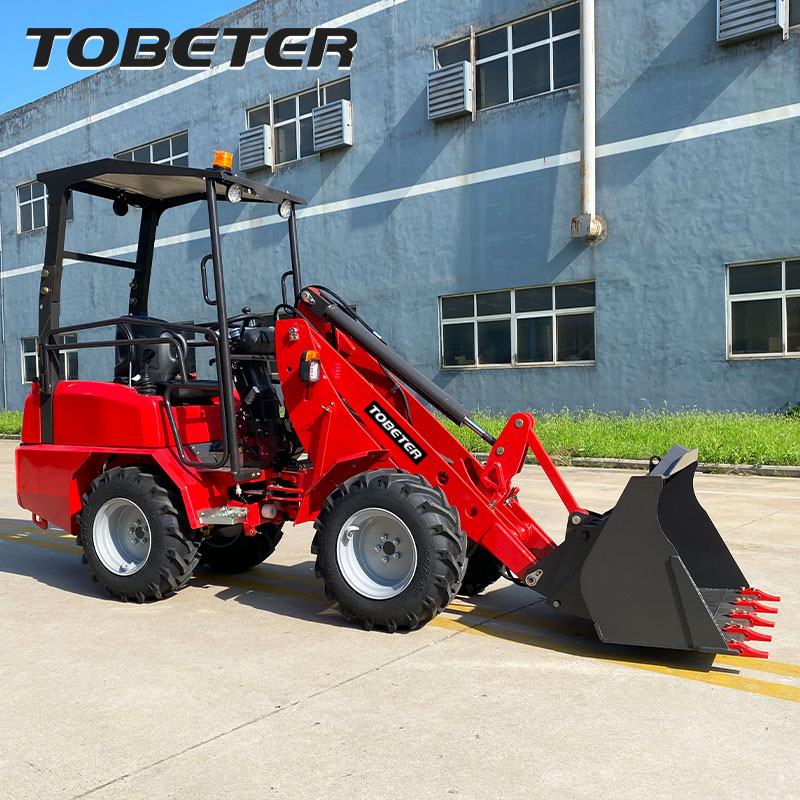
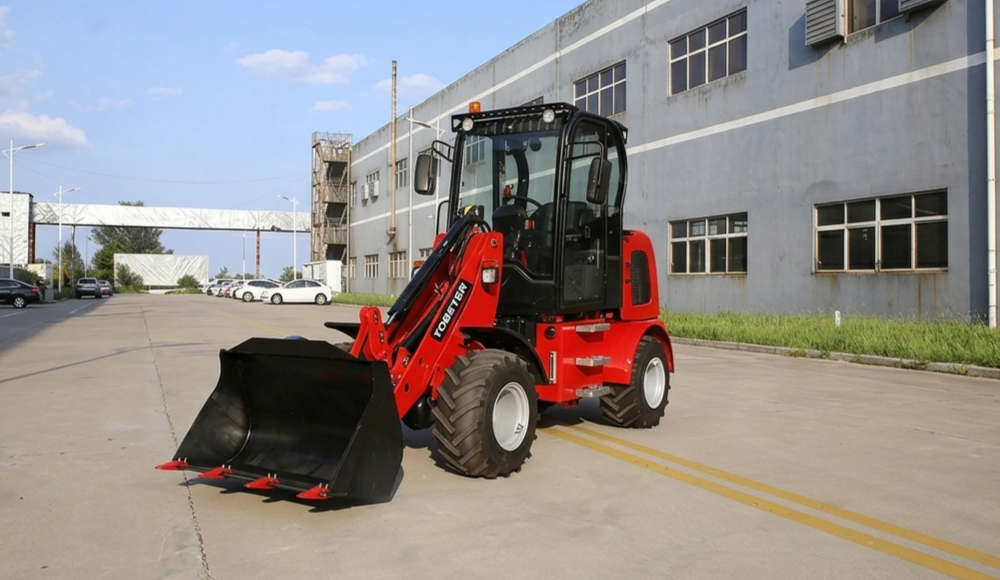
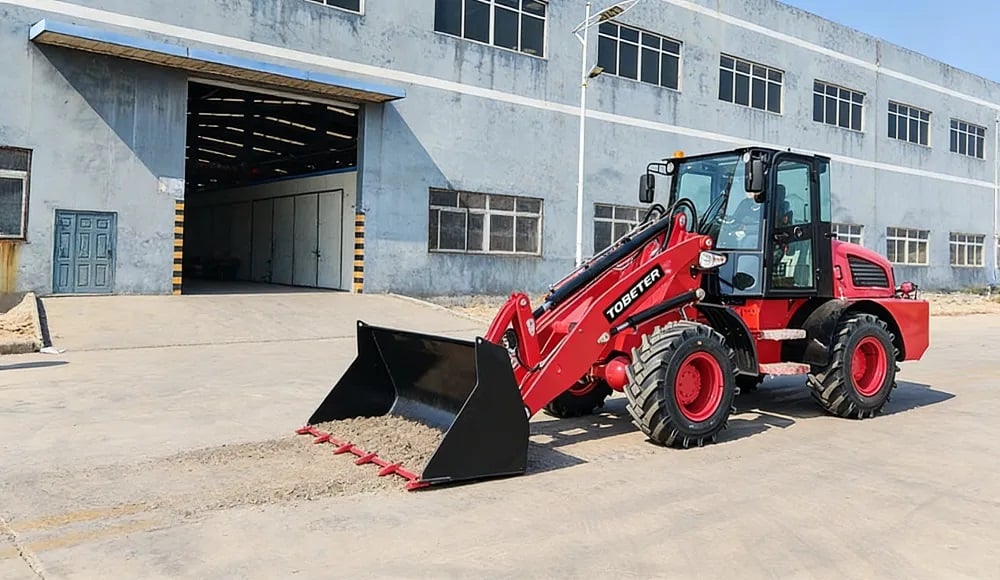
A front-end loader is a piece of heavy equipment designed to move and handle material such as dirt, rock, sand, gravel, and waste away from the job site. The front-end loader can scoop, lift, transport, and dump materials (usually bulk and mass) from one location to another by using a large bucket attached to the front of a wheeled or tracked vehicle.
There are different types of front-end loaders designed for specific jobs:
Wheel Loaders: A wheel loader uses tires, therefore allowing for speed and increased manoeuvrability. They are used to transport aggregate and in most construction applications.
Skid Steer Loaders: Due to their compact design and extreme manoeuvrability, skid steer loaders are some of the most popular front-end loaders. They are primarily used in both landscaping and small construction-type jobs, and in addition are excellent for job sites that have limited available space.
Track Loaders: A track loader is equipped with tracks (as opposed to tires) and will offer greater stability when compared to a wheel loader due to the weight distribution over a larger area. Track loaders are primarily used on rough terrain (spot digging or grading).
Common hazards associated with working with front-end loaders include:
Tip-Overs: Improper operation of the front-end loader (angle greater than its working capacity) or other problems may cause it to overturn, putting the operator in extreme danger.
Collisions: Operators of front-end loaders work in areas where the visibility is limited due to blind spots, there may be many other people, vehicles, structures, etc. within the area in which they are working, thus increasingthe chance of collision.
Falling Materials: Loads that are not secured properly in the buckets may fall and injure personnel and/or damage property.
Mechanical Failure: If hydraulic systems, engines, or brakes are not appropriately maintained, this could result in loss of control with the front-end loader.
Additionally, psychological factors will also impact the operator within any area: fatigue, poor judgment (from fatigue, distractions) and being inadequately trained on the loader's operation, causing an operator to make poor decisions, thus affecting their reaction times. Recognizing these risks is the first step toward maintaining a safe working environment.
Prior to beginning any task, it is important to complete a thorough pre-operation inspection of the loader.
Operators are encouraged to complete a detailed visual inspection at the time of operation:
Inspect tires or tracks for cuts, excessive wear/damage that could cause the loader to malfunction.
Check hydraulic lines and cylinders for leaks, cracks, or any other types of wear that may impact hydraulic performance.
Check the structural components of the loader, including the bucket, frame, and attachment points for cracks, bends, or any issues that may negatively impact the loader’s usability or function.
All fluid levels are critical to being able to operate the equipment safely:
Confirm fluid levels of engine oil, hydraulic fluid, coolant, fuel, and transmission fluid are within specifications for acceptable conditions.
Look for signs of contamination in each fluid inspected, such as discoloration or the presence of particles; these could indicate an underlying mechanical failure.
If any leaks are detected that have the potential to cause a mechanical failure or create an environmental hazard, they should be resolved as soon as possible.
Before using the loader, confirm that all controls, safety devices, etc., are functional:
Action brakes, horn, lights, and backup alarm to ensure those items are functional.
Visually inspect the seatbelt & roll over protection system (ROPS) to identify any damage or excessive wear.
Check that mirrors/reflectors are positioned correctly to eliminate all blind spots for the operator.
All attachments must be secure and usable:
Confirm that all attachments are securely locked in their designated place. Inspect bucket teeth, edge, and locking mechanisms for signs of wear, damage, or failure; compromised attachments can create a risk of injury to the operator or cause the load to suddenly fall off the loader.
Before the loader is operated:
Check all gauges/dashboard indicators for warning lights prior to operation of the loader.
Verifying that battery, starter and all other electrical systems operate and provide enough power to safely operate the loader. Once this checklist has been completed successfully, the loader will then be physically & mechanically ready to be used within the operating environment.
Even with a loader being well maintained, there is still inherent risk of injury to the operator while operating the loader carelessly. Therefore, the loader safety checklist has been developed to promote safety in loader operations through safe handling and situational awareness.
Operators are required to use the 3-point contact system when accessing and egressing from the loader at all times. This means maintaining either two hands and one foot or two feet and one hand on the loader while accessing/egressing from the loader.
Using 3-point contact will reduce the potential for slipping and falling off the loader in potentially hazardous weather (i.e., rain, melted snow/mud).
The loader must be started in neutral gear at all times.
Before moving the loader, carefully check the zone where the loader will be used to make sure there are no hazards, other operators, or equipment in your path.
To assist with the visibility of blind spots, you should use mirrors and cameras (if available).
Proper load handling techniques are important in achieving a stable loader:
The loader bucket must not be overloaded with material, as an overloaded bucket creates an unstable loader.
Always operate the loader as low to the ground as possible. Lowering the loader bucket will decrease the center of gravity and decrease the risk of tipping over.
Loading and unloading should occur on the safest, most level surface available.
Operators must follow all posted speed limits and adjust driving speed according to the conditions they are operating under.
Operators must maintain a safe distance from other personnel, vehicles, and stationary objects while operating the loader.
Operators must avoid making sharp turns, sudden stops, and backing up quickly; all of these actions increase the potential for a loader to tip over or hit something while being operated in this manner.
Good communication is essential for minimizing accidents in busy areas:
Use hand signals, two-way radios, and/or a spotter when working as a team.
Before moving the loader, ensure all pedestrians are cleared from the work area.
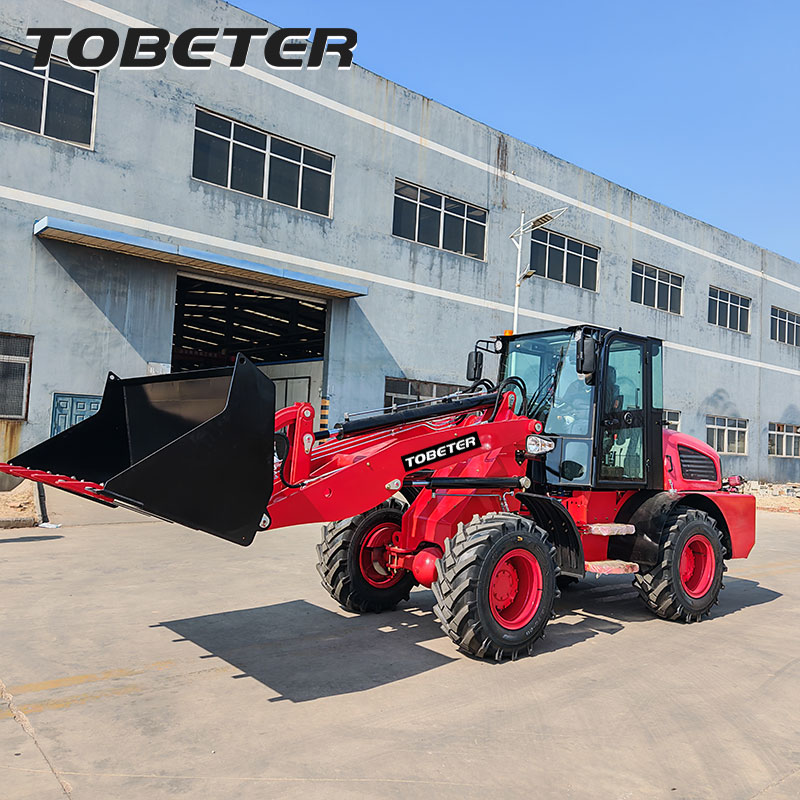
Closing down the loader properly and completing post-operation tasks after using the loader may greatly reduce the risk of equipment damage or jeopardizing future users of that equipment.
Lower the loader bucket to the ground to create balance.
Engage the parking brake so the loader will not move when parked.
Turn off the engine and remove the key to prevent an unauthorized person from starting the loader.
Post-use check shall include checking for leaks, loose parts, or damage to the loader.
Report any mechanical issues found during post-use checks and/or any service issues to ensure the loader operates properly.
After use, clean the loader to remove excess dirt, mud, and debris; failing to clean may result in unsafe working conditions due to damage/wear and tear on the loader.
Park the loader in designated storage locations, when possible. Designated storage locations are safe from unauthorized access and improper storage.
Front-end loader safety must be a part of each operator's daily routine throughout all loader operation phases (e.g., the pre-operation inspection, the safe operation process, and shutdown procedures). Each operation phase is critical to avoiding workplace injuries and ensuring the reliability of the loader. If any of the steps are eliminated or omitted, there is a high probability of severe injuries to employees operating the loader; high dollar costs of repairs to the equipment, as well as long durations of time without the loader.
By applying a structured safety checklist every time, the number of instances of tipping, hitting other equipment and mechanical failures will greatly decrease; therefore, enhancing the stability of the loader, improving operator situational awareness, and keeping all operators and workers in the area safe.
In summary, by consistently performing safety procedures associated with front-end loader operation, the operator will protect human life and prolong the use of equipment while enhancing job site production.