EN
EN

Wheel loaders are used extensively throughout construction, mining, quarries and material handling, and are integral to productivity on jobsites. They can be used for loading materials directly into trucks, truck hoppers, or stockpiles of materials at any time and to store materials for later use. Since wheel loaders typically operate continuously throughout the working day, even a minor improvement in efficiency can lead to a significant increase in production, a notable reduction in fuel consumption, and a decrease in operating costs.
Modern wheel loaders have powerful engines, excellent hydraulic systems, and sophisticated control systems; however, a machine's capability alone does not determine its efficiency or overall performance. An operator's techniques directly influence the productivity, fuel consumption, and longevity of the machine.
A skilled operator will be able to haul more material per hour than a less skilled operator using the same machine and, at the same time will consume less fuel, inflict less stress on the machine's components, and operate more efficiently. An operator with poor operating techniques will be wasting fuel as well as creating excess wear and tear, will increase the maintenance cost, and ultimately reduce the useful life of the machine. This article will explain how operators can optimize the performance of wheel loaders to maximize their utilization rate.
Wheel loaders measure operational efficiency based on the ability to move the maximum amount of material in the shortest amount of time while using the least amount of fuel and causing the least amount of wear to the machine. Operational efficiency is not simply faster than other machines; it means to work smarter, more efficiently, with less variation in performance throughout the day.
The skill of the operator is very important to each of these key metrics. A skilled operator can position the loader in a timely manner, fill the bucket most effectively, and operate the loader smoothly with controlled movements. An operator with poor skills will create longer cycle times, may experience excessive wheel rpm's, and generate partially filled buckets which can dramatically lower overall production and increase fuel burn. It's also important to note that many times, improving the operator skills can result in greater performance improvements than the purchase of newer loaders.
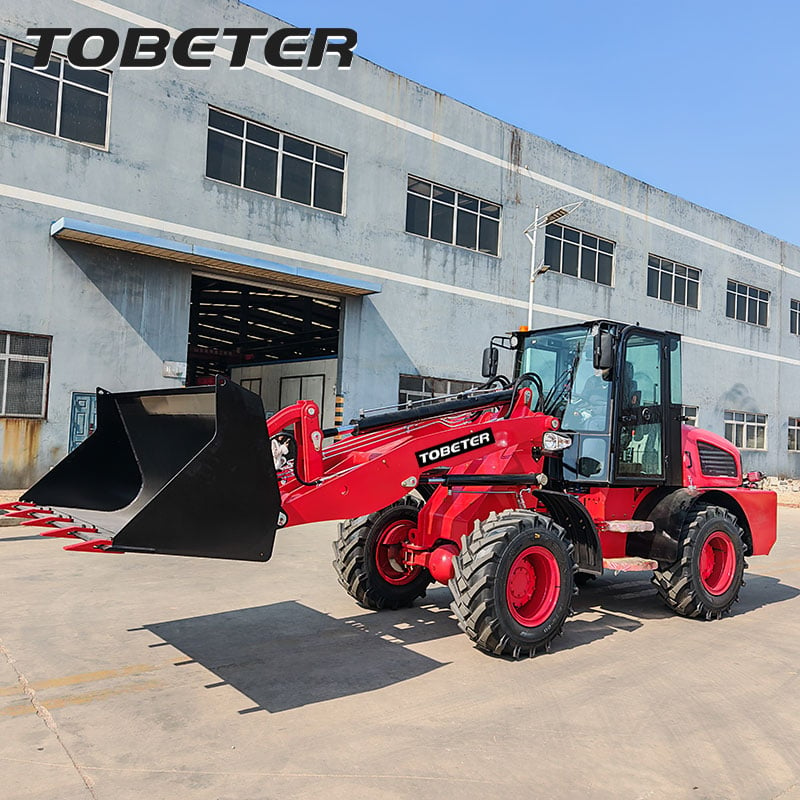
Pre-operation preparation helps achieve optimal efficiency. An operator preparing for their load operation should ensure that the machine is ready for the work ahead, and when a machine is properly prepared for the day, it can create more production as well as lower overall fuel consumption, reduce component wear, and increase operator safety.
Before the loader is started, the operator must conduct a daily walk-around inspection of the machine to identify issues that may prevent it from performing properly or may lead to downtime during the operation of the machine. Operators should be checking for leaks, loose parts or components, cracked hoses, and tires with abnormal wear.
Operators should place a higher emphasis on inspecting their loader tires because having incorrect amounts of air in the tire could negatively affect traction, fuel economy, and cycle times. Under-inflated tires create more rolling resistance and therefore burn more diesel fuel. Conversely, over-inflated tires reduce traction, but create more wear. The hydraulic fluids, engine oil, coolant, and transmission fluid levels are part of the pre-operation check process to ensure the machine operates within the correct operating parameters.
Choosing the right attachment (i.e., bucket) is another important consideration because selecting the appropriate size and style of bucket for the material being handled will increase the fill factor and decrease spillage. A bucket that is too large can overload the machine and reduce control; conversely, a bucket that is too small restricts productivity. Therefore, selecting buckets that properly match the material type and job requirements for efficient operation is key.
Operator comfort is a contributing factor to productivity, especially when the operator is working long shifts. When a seat and steering column are positioned properly with respect to the operator's body, maintain proper posture, and decrease the potential for physical stress, this significantly reduces operator fatigue and increases their ability to react quickly, thereby improving consistency in the operation of the wheel loader.
Visibility/awareness is also critical to operator performance. A combination of mirrors, cameras, and clear windows provides an operator with a full view of his/her surroundings, eliminating unnecessary body movement, and providing a consistent cycle. When operators are comfortable, they are able to concentrate on operating the machine smoothly and precisely, which leads to an increase in productivity and fuel efficiency.
After completing pre-operational checks, applying optimal operating techniques will maximize your wheel loader's efficiency.
The majority of efficiency gains/losses come during the loading phase. The best way to approach the pile of material is from the front, or straight on, which ensures the bucket penetrates evenly. The operator should also enter the pile in a slow, controlled manner instead of a high-speed impact. The most efficient way to penetrate the material is to coordinate proper lift and tilt when entering the material with the loader bucket.
The primary goal is to maximize bucket fill factor while minimizing excessive force. Too much penetration will result in wheel spin, causing unnecessary fuel consumption; however, not enough penetration will leave the load partially filled, thus reducing tonnage per hour.
A major key to minimizing unnecessary wheel spin. Wheel spin results in increased fuel consumption and increased wear on tires. If you start to see wheel spin occurring, you should reduce throttle slightly, or adjust the bucket location rather than applying more fuel. If you maintain traction, the result is more efficient bucket filling and smoother operation.
To successfully operate wheel loaders, it is important to maintain smooth, controlled inputs into the loader's controls. Increasing the throttle suddenly, lifting in an abrupt manner, or turning sharply can use excessive amounts of fuel and create an undue amount of stress on the components of the machine. Instead of this type of operation, the operator should consistently use a specific engine throttle speed while smoothly inputting control information into the loader's control system.
Operators can reduce cycle time and improve fuel efficiency by coordinating inputs of throttle, lift, and tilt. Lifting the bucket as you reverse away from the pile, will save time compared to performing each of these actions independently of each other. If used properly, modern wheel loaders are built to efficiently perform multiple functions at once.
Minimize unnecessary movements. Every extra steering correction, lift adjustment or stop action will add time and use fuel. Efficient operators will plan their activities ahead of time and operate their loaders with precision.
Travel distance is the most significant factor in determining cycle time and the total amount of fuel burned. Reducing the distance between the material loading point and the dump site, is one of the easiest ways to achieve greater operating efficiency. To ensure loading and dumping areas are placed so travel routes are as short and direct as possible, this ideally would occur.
For example, when running consistently, there should be an equal period between cycles. This creates an operating rhythm, rather than having some cycles be quicker than others. When operating in this manner, the amount of fuel utilized will be more effectively managed due to the predictability and repeatability of operation.
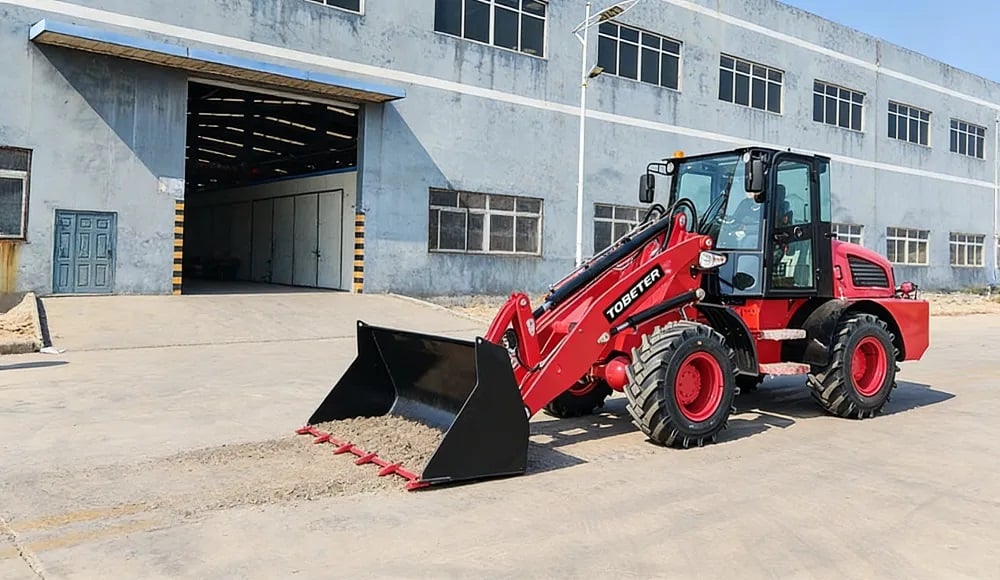
Different materials need different methods of operation. For example, with loose materials - i.e., sands, rocks, and gravels, a bucket can generally get into the material easier (it does not take as much energy) but can also create a larger spilling potential. Therefore, when attempting to operate a bucket for such materials, the operator must utilize a bucket tilt that allows for controlled filling/emptying of the bucket during travel.
With dense/compacted materials (clay, blasted rocks, etc.), buckets will require more energy to enter into the material. An operator should gradually enter a bucket of material to allow for maximum use of the loader’s weight and traction, rather than relying solely on the engine's power. Using a series of lighter passes into the material can often be more productive than one heavy impact.
Moisture also impacts how material interacts with a loader. Wet materials tend to stick to the bucket, decreasing effective capacity and increasing carryback. In wet conditions, a bucket's angle should be adjusted before dumping, and light shaking of the bucket while dumping can help free material and keep loads consistent while dumping.
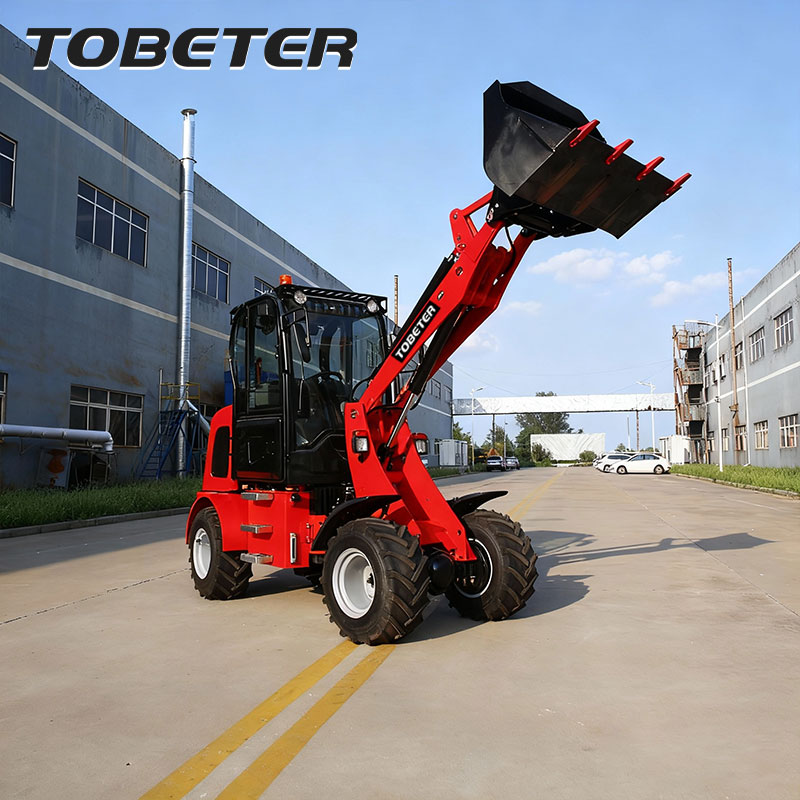
Fuel usage is one of the major operating expenses associated with wheel loaders, therefore maximizing fuel efficiency is key. Operating within the recommended engine RPM levels provides maximum power while minimizing fuel consumption. Using your engine at unnecessarily high rpms is generally not effective in increasing productivity, and may also be damaging to the engine.
Another aspect of correct operation that causes increased fuel consumption is idle time. Extended periods of idle time are simply wasted fuel, and can also lead to engine build-up of deposits. All manufacturers provide specific guidelines on when to shut down or idle the engine when waiting for trucks or other equipment, and all operators should follow these guidelines.
When operators operate efficiently, they will not only save fuel but also extend their machine's life. Positioning the bucket correctly will minimise the amount of stress placed on the lift arms, pins and bushings. Hard impacts between the bucket and the pile or ground will cause structural damage to your wheel loader, which may lead to cracks.
Placing excessive material in the bucket will overload the drivetrain, hydraulics and frame. Using the rated capacities, you will be assured of dependable performance, and will also help you reduce your future maintenance costs. The use of proper braking and steering techniques will reduce wear on the brakes, tyres and steering components.
When operators exhibit good operating practices consistently, they will experience longer intervals of service and fewer breakdowns, giving them higher resale value. Ultimately, in addition to substantial savings in fuel, there will be significant savings in future maintenance and downtime.
Maximizing wheel loader efficiency is achieved through careful planning, skilled operation, and consistent adherence to best practices. Every aspect of operation, from pre–operation inspections and proper cab setup to smart travel paths and efficient loading methods, affects the level of operational efficiency and cost.
Operators who put forth a concerted effort to control their machine smoothly, position the bucket correctly, and develop methods of operation related to the materials they work with will increase the amount of material they move in an hour while consuming less fuel and creating less wear on the machine. In the long run, operating a wheel loader in an efficient manner provides measurable benefits in lower operating costs, enhanced machine reliability, and increased profitability on the job site.