EN
EN
When it comes to heavy machinery purchases, most people think of it as just another item on the shopping list. However, purchasing an excavator will be one of the most important decisions you will make for your company, as it can impact almost every aspect of your operational success. An excavator is typically one of the most critical pieces of equipment on a construction, mining or civil engineering site. Therefore, it is just as important to select the correct excavator supplier as it is to select the correct excavator machine.
Here at TOBETER we know this better than anyone. Our Company is a leading manufacturer of excavator solutions, and our mission is to provide maximum value to our customers, while building a sustainable future. We believe that a high-value supplier/client relationship begins with asking the right questions. To assist you in your next major excavator purchase, we have put together some of the essential elements of questions you should ask your supplier to protect your investment and maximize your productivity.
I. Engineering for Excellence: The Performance Questions
Most of the time during the consultation process, when you are speaking with your supplier, your initial questions will revolve around horsepower and bucket capacity. While those questions are important, you also need to consider some of the other important factors to consider when determining whether or not an excavator machine is going to be suitable for your application. You will have to dig deeper into the design philosophy of the excavator machine.
One key factor to consider when evaluating an excavator machine is to determine its hydraulic cycle time optimization capabilities. It is critical to understand that in the construction industry, time equals money. Therefore, an excavator that can save two seconds off of every swing-and-dump cycle can be responsible for moving hundreds of additional tons of material over a work week.TOBETER focuses on Innovative Hydraulics that Provide Maximum Engine and Hydraulic performance. By synchronizing Engine power to the hydraulic demand, you maximize the efficiency of your machine operations and ensure smooth and accurate movement of the equipment.
"Is my machine versatile enough to handle multiple attachments without sacrificing operational efficiency?"
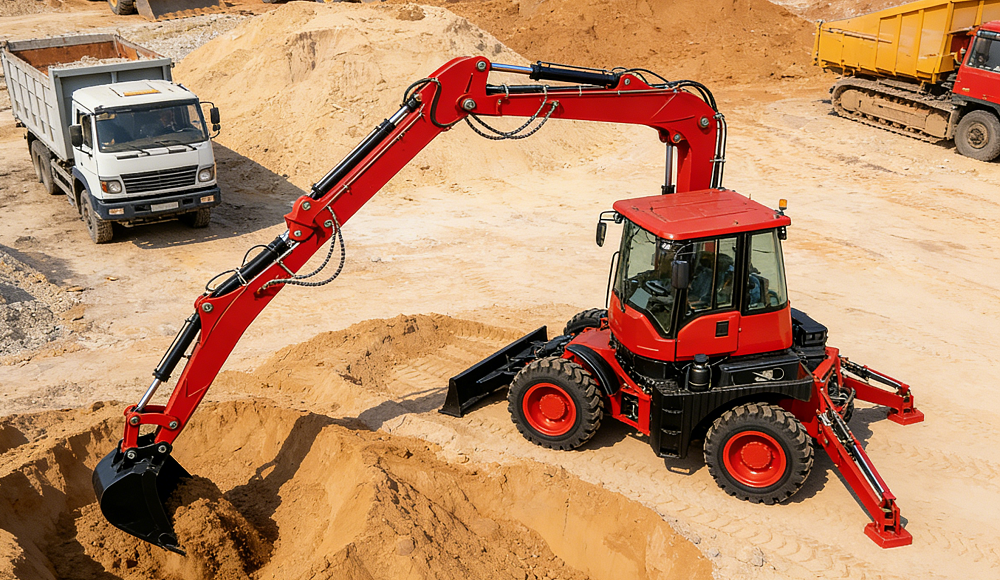
Versatile capability is the best way to maximize the use of your machines and assets. It is important to ask your supplier about how easily you can switch between different attachments, such as Hammers, Shears, or Bucket Sizes. The right supplier will offer a fully integrated quick-coupler system and Programmable Hydraulic Flow for your tool attachments, making your excavator a multi-functional tool as opposed to a single-use unit.
II. The Economics of Your Machine: More Than Just The Price Tag
Many buyers make the mistake of thinking only about the upfront costs when purchasing heavy equipment. An inexpensive machine can turn into one of the most expensive assets in a fleet due to elevated operating costs.
"What are the costs to operate this machine over the next 10,000 hours?"
You should require your supplier to provide you with a breakdown of the fuel consumption, scheduled maintenance expenses, and wear item replacement intervals to determine the Total Cost Of Ownership(TCO). In addition, you should expect your supplier to provide this information in a clear and transparent manner to ensure you understand how the machine will be a long-term asset for your company. TOBETER designs excavators with compression ignition engines that provide tremendous fuel economy, therefore lowering the cost-per-ton of moved materials. This means that your excavator will be able to pay for itself much faster.
"What is the historical resale value of this brand?"
Heavy equipment is an asset on your balance sheet. When it's time to re-evaluate your fleet, the residual value of the excavator will be a crucial element of your financial well-being.Brands that are at the forefront of their industries (top tier) generally have the highest resale values as buyers of second-hand machines trust that these products will last longer. This question provides an opportunity to ask the supplier to prove their commitment to ongoing quality as a manufacturer (i.e. how long have they been manufacturing).
The true test of a supplier isn’t when the product arrives on site, but when something goes wrong (for example, a hose bursts in the middle of the night at 2:00 AM during a time-sensitive job).
"What is your global and local distribution network like for parts?"
Downtime represents the worst enemy of profits. A reliable supplier has to ensure that their customer knows that if a critical component fails, it doesn’t sit in a warehouse 10,000 miles away, and at TOBETER we pride ourselves on having a strong supply chain that allows us to get parts to the jobsite in a timely manner. Ask the supplier for their "parts fill rate," which is the percentage of parts they have in stock and available for immediate shipment.
Furthermore, "How will telematics enable you to perform predictive maintenance ?"
By 2026, the idea of simply waiting for something to break is a method of operation that should be phased out. Smart-Connected technology should come with all new excavators, and it should be possible for users to receive "health alerts" to their phone or computer, allowing users to preemptively address issues such as a clogged filter or a small decrease in pressure before it results in catastrophic engine failure. TOBETER uses this proactive approach to maximize value for all of its partners.
IV. Human-Centric Design: Operator wellbeing
No matter how complex the excavation machine is, it will be worthless without a Hiring Manager/User who is trained to operate it. Human factors often represent the least quantified portion of an excavating machine's technical specifications.
"What technology can I use to reduce operator physical fatigue?"
What happens when the operator becomes fatigued will determine how much productivity the machine produces and how safe the operator's working condition is continuing to be. Key questions include whether the machine has a cab with pressurized air (to keep out dust), and noise reduction materials, and what is the layout of the hydraulic joystick controls.
V. Building a Sustainable Future: The Green Revolution
Global laws regulating emissions and carbon footprints are becoming holistically more stringent. Therefore, your equipment selection is to be made based upon future needs.
"What is the equipment design and manufacturing intended to meet local and international levels of environmental compliance?"
The machine must be compliant with all regulatory levels (Tier 4 Final and Stage V) related to the areas you are going to operate your excavating machine in. In addition, the companies must provide access to biodegradable hydraulic fluids or recyclable components. TOBETER is committed to developing excavation machines that help their customers produce maximum output while producing zero to less emissions; thus allowing their customers to adhere to their own ESG requirements.
VI. The TOBETER Promise: A Relationship, Not a Sale
When you begin to ask these questions as a buyer of excavation equipment, you are evaluating not just a product but also a business relationship. You want a vendor who acts in the capacity of a consultant to understand your needs and how they align with yours.
At TOBETER, we understand that we are not merely a manufacturer. We are the premier, world-class provider of excavating machine solutions, in part, because of our commitment to listening to our customers’ needs. We realize that an operator's success is our success; therefore, we produce excavation machines that provide supreme output efficiency—supported by 24/7 availability and support.
Checkpoints to Review Before Meeting with Your Supplier:
Performance: Is this the right tool to use for the type of dirt you are operating now?
Financials: What is the cost per hour to operate a machine, not just its purchase price?
Service Support: Where is the closest parts supplier, and how soon can they get someone to you?
Technology: Does the equipment have any additional features to assist in managing your fleet of machines?
Sustainability: When you look at where you want to be 5 years in the future, will your current excavating equipment be compliant, efficient, and produce maximum productivity with a minimum of emissions?
Conclusion
If we want to create a sustainable future for ourselves, we are going to need some heavy equipment! By asking the above questions during your evaluation of potential excavation equipment purchases, you are maximizing your ability to effectively respond to your operational requirements and ultimately be prepared to meet the operational requirements of the future for you and your customers. TOBETER can provide you with support to meet both current and future excavation equipment requirements, thereby creating maximum value for your business and the communities that you serve.