Mini Loader Machine: Compact Power for Tight Spaces [2024]

Overview of Mini Loader Machine

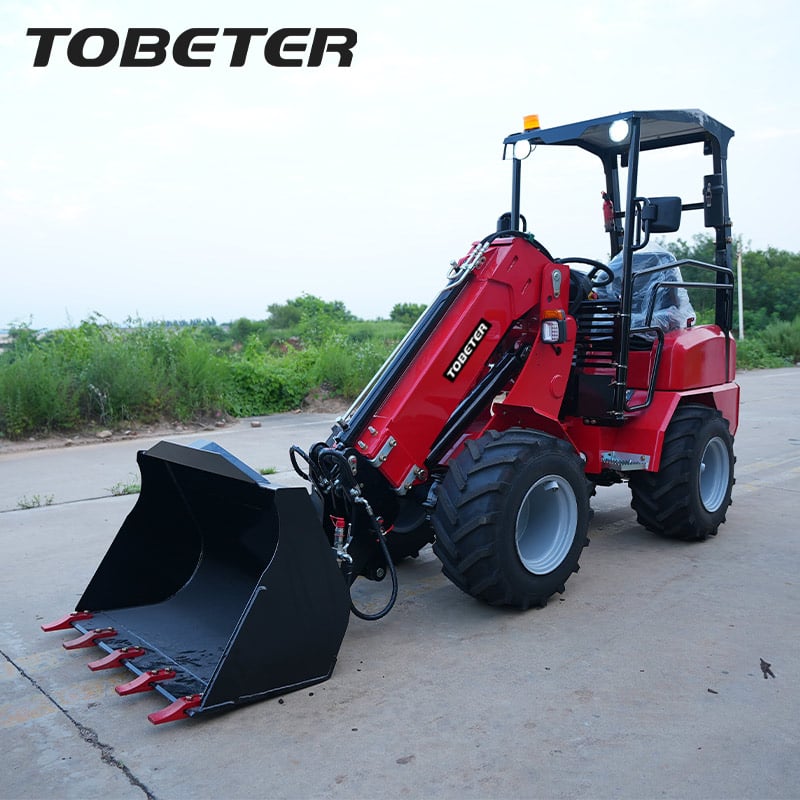
The Mini Loader is a compact, multi-purpose wheel loader for construction, landscaping, agriculture and urban maintenance applications. The small footprint and tight turning radius enable the Mini to work in places that larger machines cannot operate, while having a stable and confident digging, lifting and material handling performance. With a large diesel engine, powerful hydraulic system and interchangeable attachments, the Mini Loader can easily handle soil, gravel, mulch, pallets, and debris. Additionally, the operator's controls are easy to use, the throttle response is precise and the stability of the chassis improves productivity when working on uneven ground or in tight working areas. Built with durable materials and providing easy access for maintenance, the Mini Loader can be used reliably on both indoor and outdoor sites; this machine is built to perform well, have a low operating cost and provide a long service life.
Get A Quote

Mini Loader Machine

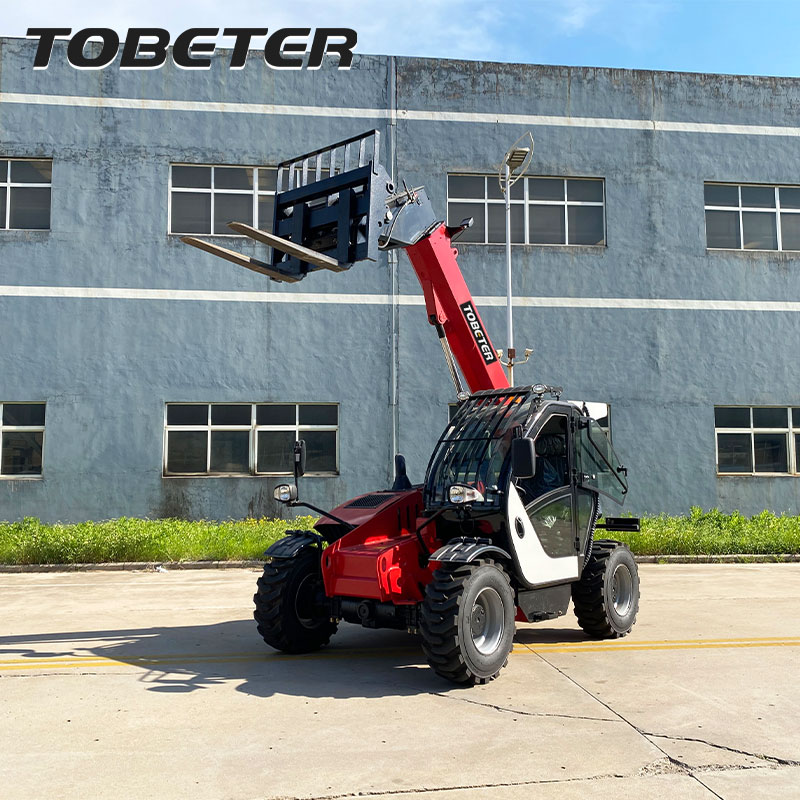
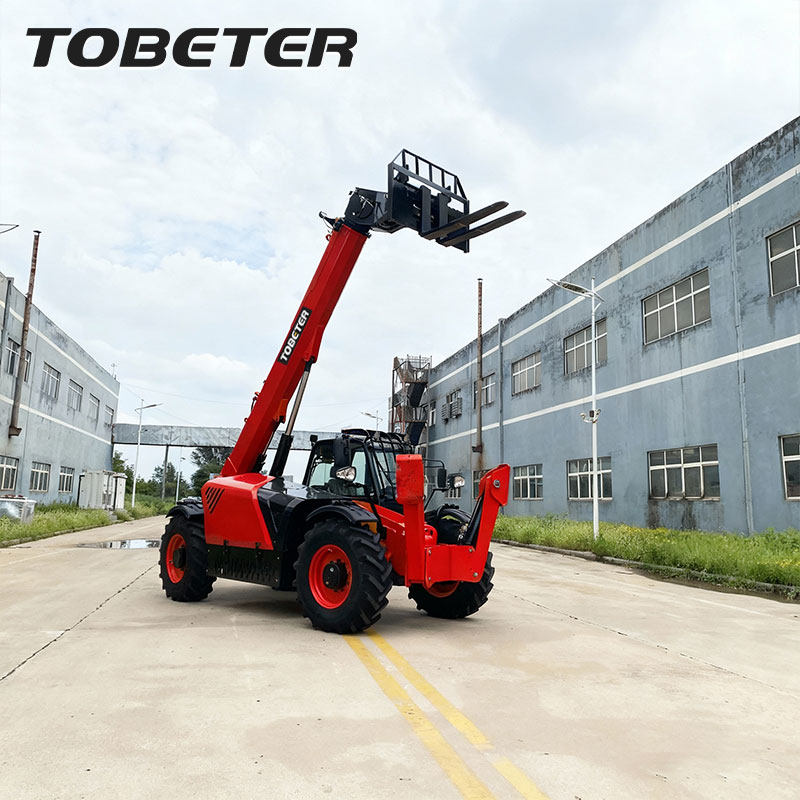
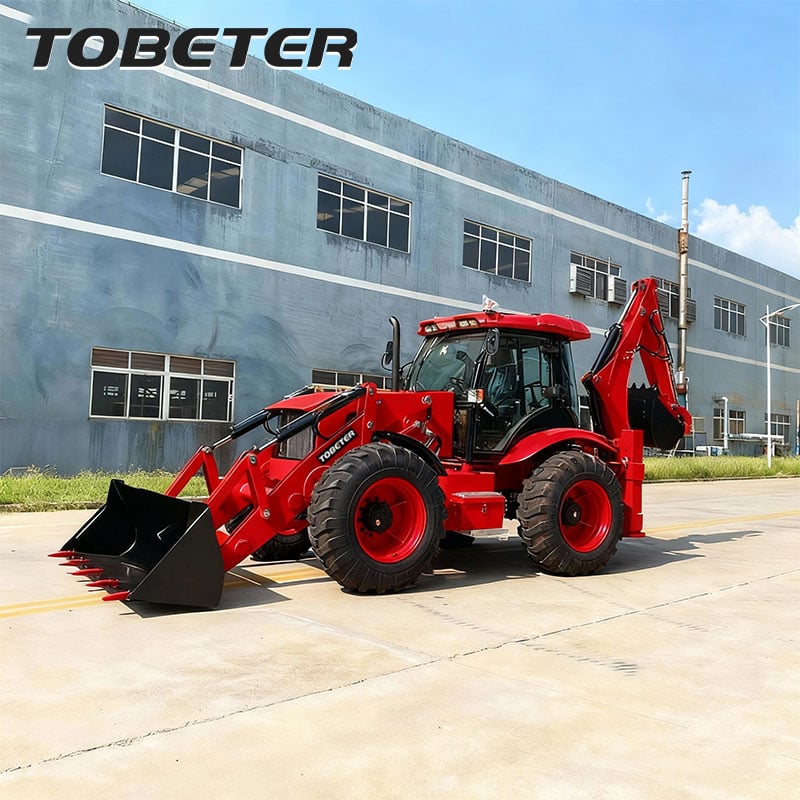
Compact and powerful with an efficient engine and responsive hydraulic system, the Mini Loader offers the highest reliability in all types of jobs. It is designed to be fitted with interchangeable attachments, such as buckets, forks, grapples and augers, so users can switch quickly and easily between digging, lifting, grading and moving materials. The configurations available for this loader include rubber tracks and steel wheels, adjustable height of lift capability, and a variety of hydraulic flow options to accommodate different attachments. In order to provide excellent serviceability, this loader has accessible engine compartments, easy-to-access filters and centralized grease points for easy maintenance, which helps reduce downtime. The Mini Loader has a high priority placed on safety with features such as protective guarding, ROPS/FOPS certified cabins (if applicable), optional alarms or cameras for increased operator awareness. The Mini Loader is an excellent option for fleet operators that require a versatile, rugged and cost-effective option for working within limited space constraints and on challenging worksites.

F&Q About Mini Loader Machine

What tasks is a mini loader best suited for?

The Mini Loader is the machine of choice for performing jobs in restricted or tight areas that larger machines cannot access. Mini Loaders are excellent for loading materials, backfilling trenches, cleaning up job sites, handling pallets, grading land, and doing light demolition work. Using interchangeable attachments, Mini Loader operators can use the appropriate attachment (bucket, pallet forks, grapple, or auger) to maximize efficiency in performing jobs on a small job site.
Although each mini loader has different lifting capabilities depending on its model and the configuration, all mini loader types have a rated operating capacity that should be capable of performing 90 percent of the normal loads for small construction and landscaping applications. Choose a model based on the weight of attachment(s) used, ballast and hydraulic capabilities to maximise safely and productivity within the manufacturer's rated capacities.
Regular mechanical maintenance consists of performing basic routine checks of your machine’s engine oil, hydraulic fluid, coolant and air filters, as well as performing an inspection of the belts, pins and grease points for wear or missing parts. The operator’s manual generally contains information about the recommended frequency for maintaining your machine, however; you may want to have more frequent maintenance checks during peak usage periods or dusty environments. The use of easy access panels and modular components allow technicians to quickly perform basic inspection tasks, thus minimizing your machine’s downtime.
Typically, standard safety features on machines include an ROPS/FOPS-certified cab or canopy, a seatbelt, audible backup alarms, and a clear panel of instruments. Many of these machines will also offer optional features including rearview cameras, work lights, tilt sensors, overload protection, and increased visibility during night and day operations to assist operators in recognizing hazards and creatingTypical safety features include a strong ROPS/FOPS-rated cab or canopy, seat belt, audible alarm for backup operation and easy to read instrument panel. Certain models also provide optional features including rearview cameras, lights for when you are working, tilt sensors, protection from overloading and enhancements to improve operator safety and awareness both day and night.

Advantages of Mini Loader Machine

Compact and Maneuverable

The mini loader is ideal for working in confined areas due to its compactness, stability and ability to deliver excellent maneuverability. This design provides an exceptionally small footprint (i.e., short wheelbase) with minimal elevation to improve operator efficiency and comfort, as well as provide the ability for accurate and efficient operation within urban environments, or confined residential yards/subdivisions. As such a result of its small size, the mini loader offers an extremely tight turning radius which enables the operator to accurately position the bucket and reduce the work cycle time as well as minimize disturbance to surrounding areas.

Powerful Hydraulics and Lifting Capacity

The hydraulic system provides generous breakout force and control for bucket work, material handling, and attachment operation in a smooth and responsive manner. It features a high rated load capacity as well as compatible quick-attach interfaces that can be used to lift pallets, bales, soil, and debris, allowing for many different applications including digging and dumping. Additionally, there are optional hydraulic flow configurations to support many types of specialized attachments.

Efficient, Low-Cost Operation

The mini loader was designed for efficiency, providing fuel-efficient operation while adding minimal maintenance costs through durable components, accessible locations for servicing, and a modular design that keeps service downtime and expenses low. The optimized weight distribution of the machine and efficient hydraulics mean that you will receive greater fuel economy on each job and have lower overall ownership costs over the equipment's lifetime.

Operator Comfort and Safety

Operator stations that are well thought out are designed primarily to provide operators with a comfortable, visible, and safe workspace. Example features may include ergonomic seating, easy-to-understand controls, good visibility of surroundings, optional cabs with temperature controls, etc. The operator stations also feature several safety options, such as ROPS/FOPS, seat belts, backup alarms, and cameras that help ensure a working environment is secure for operators to enable them to be precise in their work and safe on job sites.

Get in touch

Name
Phone/WhatsApp
Email
Message
0/1000