EN
EN

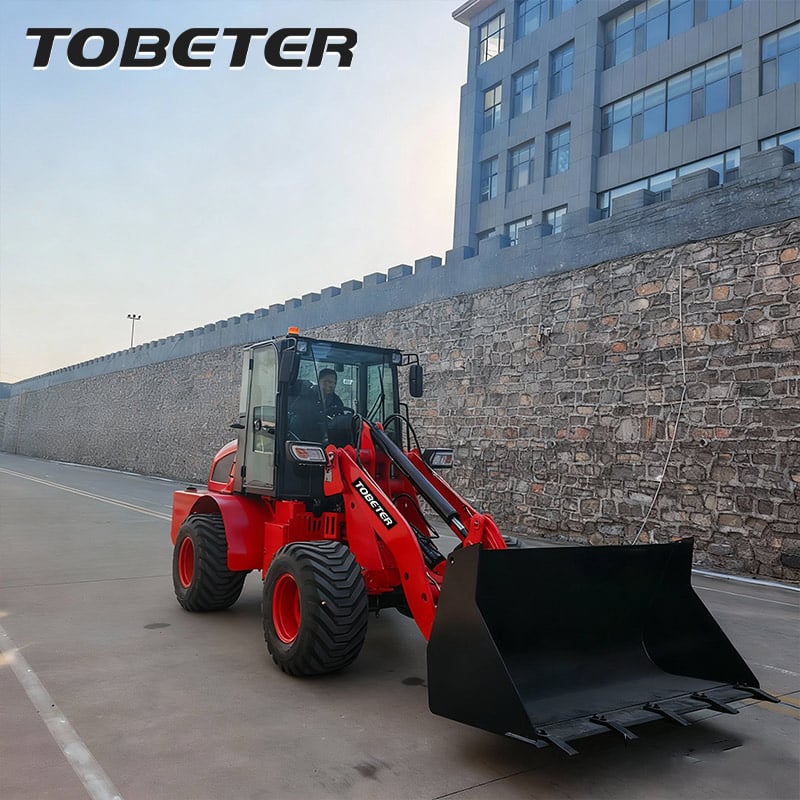
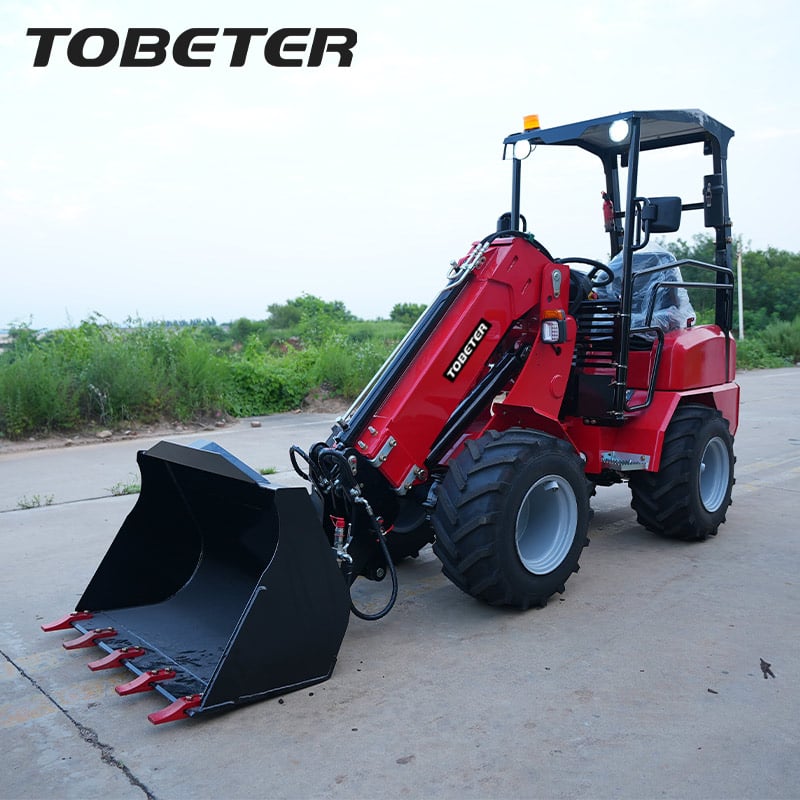
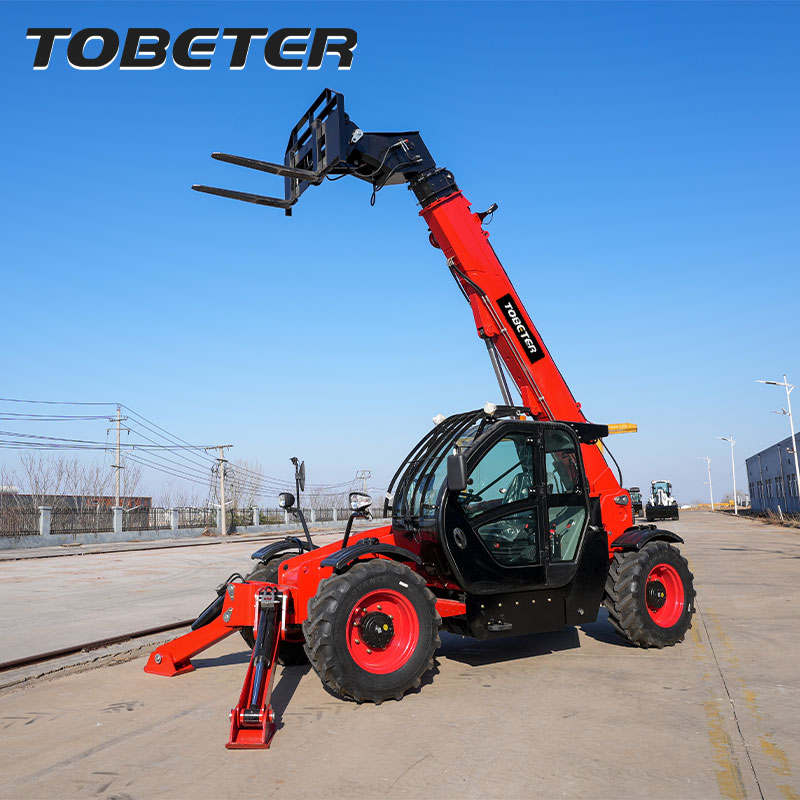
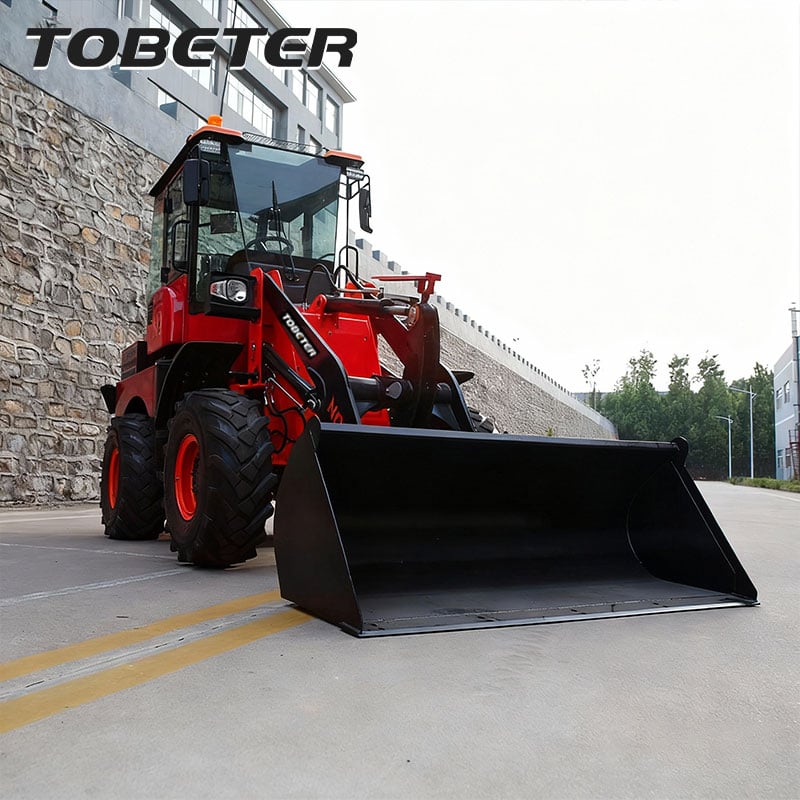
Heavy machinery manufacturing produces rugged, reliable machines that can withstand the most demanding industrial applications, such as construction, mining, agriculture, energy, and material handling where machinery must perform reliably under heavily loaded, tough environmental conditions.
To come up with functional and efficient models, the engineers study the properties of materials, the demands of the industry, and the application of their solutions to practical scenarios. Prior to commencement of actual manufacturing, the engineers utilize sophisticated CAD software and virtual prototypes for optimizing structural strength, stability and performance.
Developing a prototype is an essential step of the process. The testing conditions, which closely parallel actual working environments, are aimed at ascertaining that under such conditions the equipment will deliver consistently. Only after meeting the stringent performance and safety standards does the machine get into full production.
Durability is the outcome of precision engineering and choice of materials. Withstanding wear, corrosion, and fatigue necessitate very advanced composite materials, reinforced alloys, and high-strength steel. Because hydraulic and electrical components produce the control in a highly responsive and smooth manner, the operator is quite confident in handling the task, something previously considered challenging, with great accuracy.
The production of heavy machinery without a doubt involves a great deal of customization. Various industries require different kinds of solutions. Whereas mining puts major emphasis on the durability of the frames and cooling systems, construction requires different features such as loader buckets or excavator arms that are specialized. Through the process of working very closely with the manufacturers, the customers are able to not only get their activities uniquely tailored to the equipment but also can reduce their operational costs and thus improve their productivity.
Safety consideration in the design is uncompromising all the way through. Features such as climate control and vibration absorption not only serve to enhance the operator's comfort but also the operator cabins are designed in such a way as to reduce operator fatigue and have increased visibility. Sensors always watch performance, stability, and load capacity; when irregularities are detected, they bring about automatic measures. Real-time monitoring and predictive maintenance are the factors that greatly contribute to the reduction of downtime and unexpected breakdowns.
There is hardly any doubt that the environment is one of the major issues of our time. Today, the manufacturers place their main emphasis on the use of sustainable materials, on the reduction of emissions, and on fuel efficiency. Modular construction, hybrid or electric power choices, and energy-saving engines all serve to lessen the impact on the environment without any decrease in the performance and robustness of the product.