Heavy Equipment Machinery: 4 Key Advantages for Contractors

Overview of Heavy Equipment Machinery

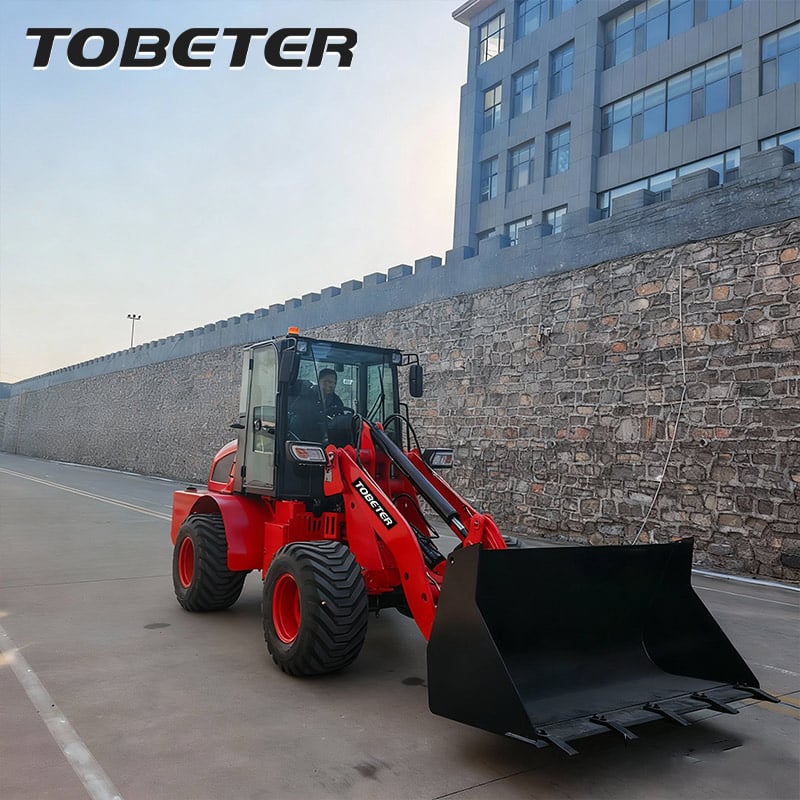
Heavy equipment machinery consists of strong, high-capacity machinery designed for large soil-moving and construction applications, as well as for the development of mines and infrastructure. They include excavators, bulldozers, wheel loaders, motor graders, articulated dump trucks, cranes, and compactors - each of which is intended to perform high-weight and high-stress applications, but also features progressively greater capabilities for automation and intelligence.
Get A Quote

Heavy Equipment Machinery

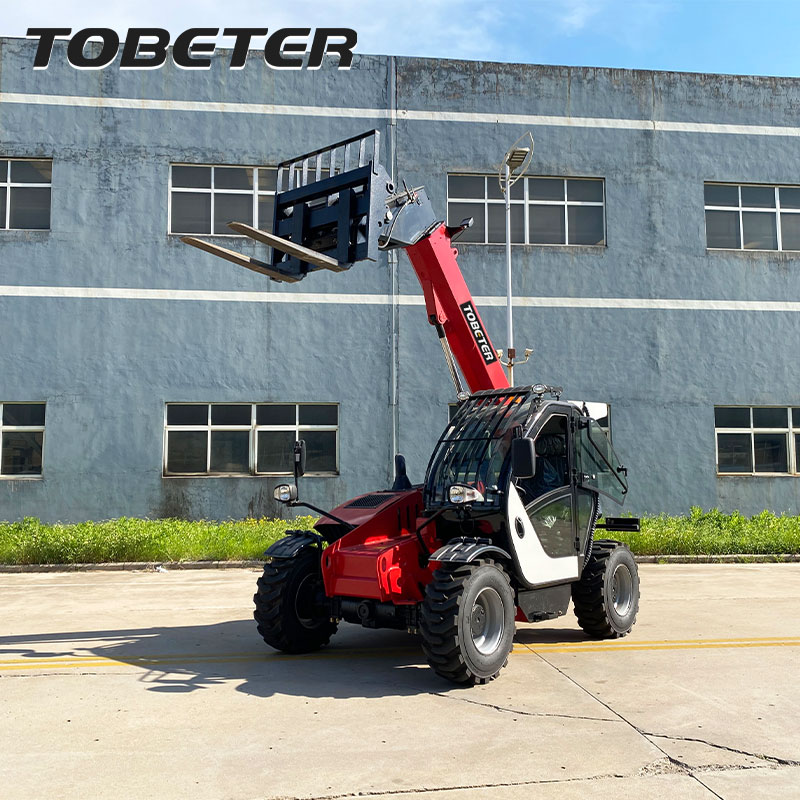
Heavy equipment machinery serves as the cornerstone of the world's industrial infrastructure. Raw terrain has been transformed through the partnership between intelligent design and the physical forces generated by heavy machines into roads, structures, mining sites, and energy systems. Each machine in the fleet has been engineered to accomplish specific tasks. A hydraulic excavator has the ability to dig and move materials precisely and at all sizes and weights. The hydraulic bulldozer is a fusion of strength and traction for earth moving and grading of materials.

Wheel loaders and articulated dump trucks facilitate rapid material movement between the point of extraction and the location of placement. The precision of the motor grader allows for the application of laser precision to shape and create the road base. Soil compaction is accomplished through the vibration or static compaction of materials by a compacting machine designed to meet specified levels of density in relation to the engineering specifications established by the Department of Transportation (DOT).

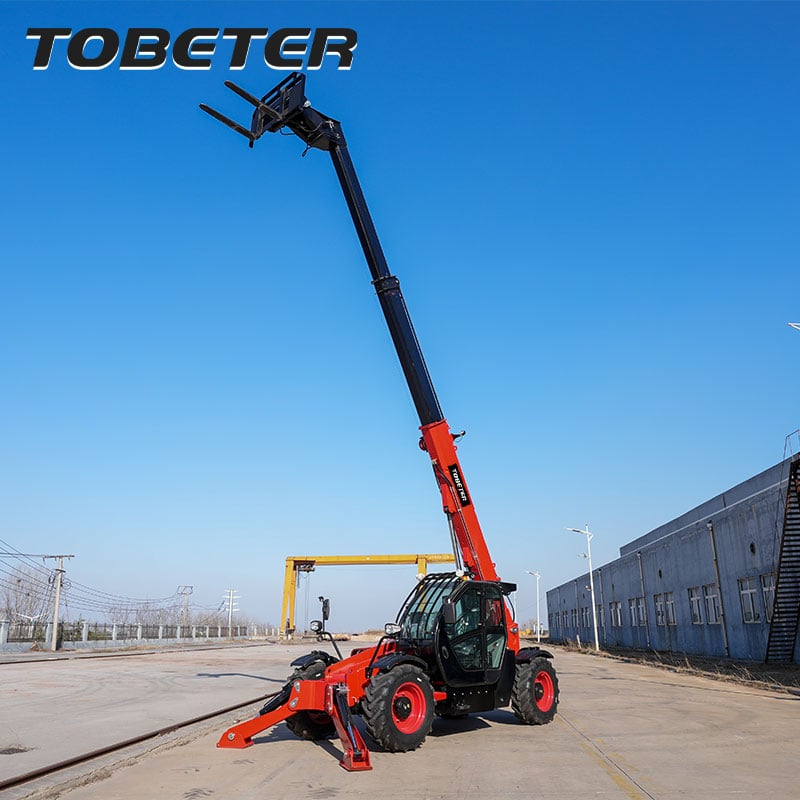
A mobile or crawler crane provides a means for lifting and placing structural components weighing tens of tons into place. Heavy equipment machinery has transitioned from a tradition of physical machines to a digital asset, including various forms of technology ) Sensors, telematics, and control algorithms gather and transmit data to allow the owner/operator to monitor, track, and schedule maintenance. 
F&Q About Heavy Equipment Machinery

What defines a machine as “heavy equipment”?

Heavy machines typically weigh in excess of five tons. Other characteristics that differentiate heavy from light or general-purpose machinery are that heavy equipment has a specific area of expertise (example: digging/lifting/compacting) and operates in a variety of off-road conditions. Most companies will own heavy machinery to support large civil or industrial-type projects.
Heavy equipment has a life expectancy of ten to twenty thousand+ hours, assuming it is well maintained. Actual hours of operation will vary based on the amount of work done by the machine as well as the environment where it operates (i.e. needs to be stored indoors, not subjected to extreme temperatures, etc.); and whether the company using the heavy machinery adheres to a defined service protocol.
As for an autonomous haul truck, there are already autonomous haul trucks being used in the mining industry; remote-controlled, semi-autonomous excavation machines are in use for operations in hazardous locations (example: demolition and nuclear power plants). The development of fully autonomous heavy machinery is still in its infancy but it appears to be the future.
Electrically powered machines are increasing in number. Ultra-long cycles are limited due to battery capacity limitations; however, construction machines using batteries (i.e. excavators, loaders, compactors) are becoming the norm in urban, tunneling, and projects that have sustainability as a goal. Battery-powered machines have lower operating noise, zero emissions, and less operating cost while maintaining the same performance as machines in their class.

Advantages of Heavy Equipment Machinery

Unmatched Power & Durability

Heavy equipment is built with reinforced frames, high-torque engines and wear-resistant components that allow for continuous operation in extreme environments.

Task Specialization & Versatility

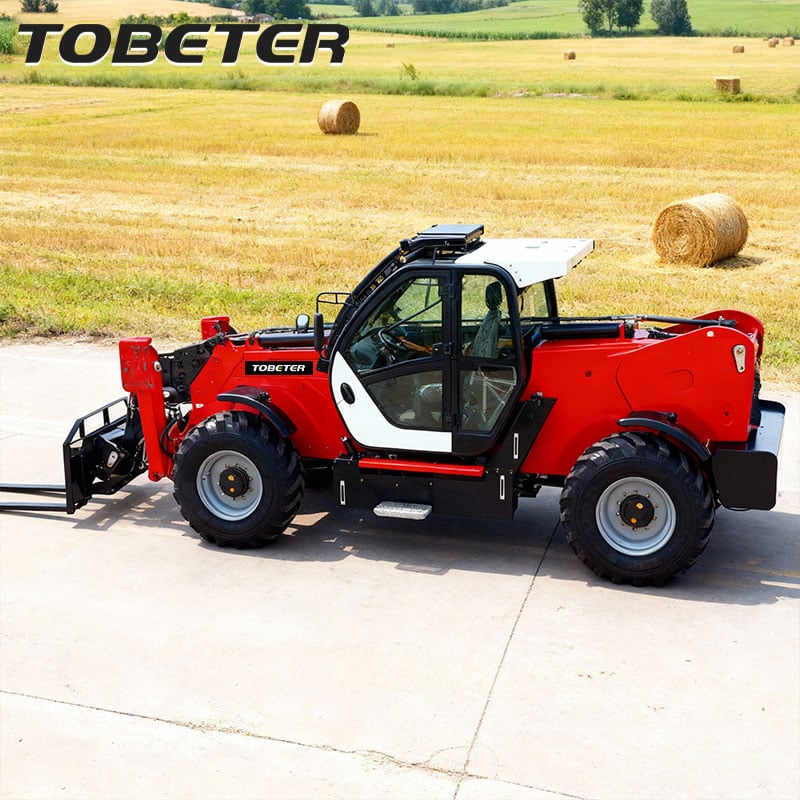
Each type of machine excels at its core task while offering many different attachments or configurations depending on a particular worksite's needs.

Precision Through Technology

With integrated 2D/3D machine control, GPS navigation, and real-time data systems, modern heavy equipment can achieve millimeter level precision in executing complex design work.

Sustainability & Efficiency

Modern machinery for construction has engines which are built to meet current Tier 4 Final/Stage V emission standards. New technology is also being used to reduce operating costs and greenhouse gas emissions while providing a better long-term environmental impact for the machines; Hybrid electric machines and telematics.

Get in touch

Name
Phone/WhatsApp
Email
Message
0/1000