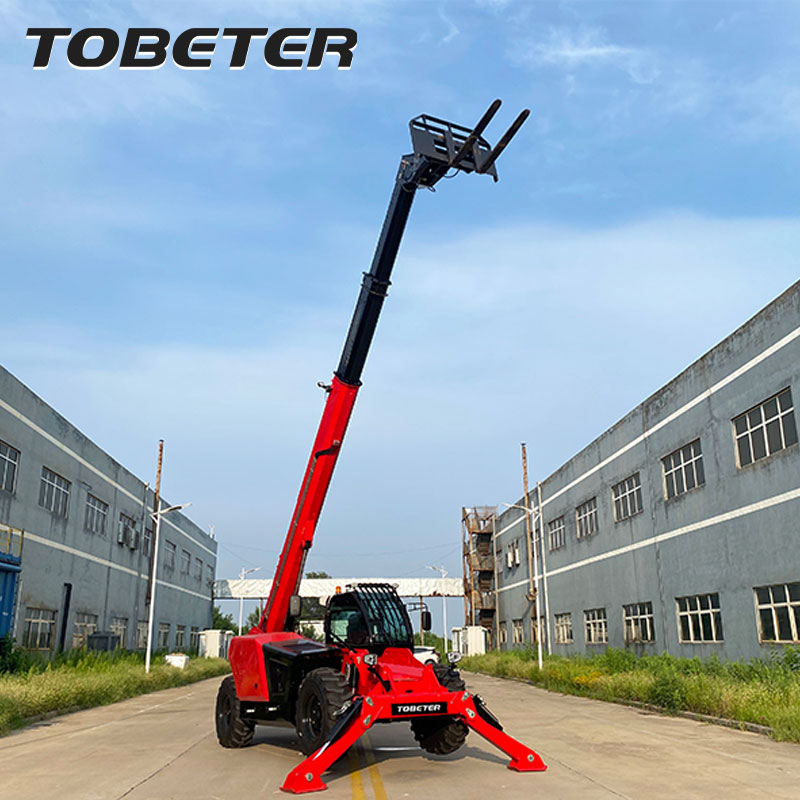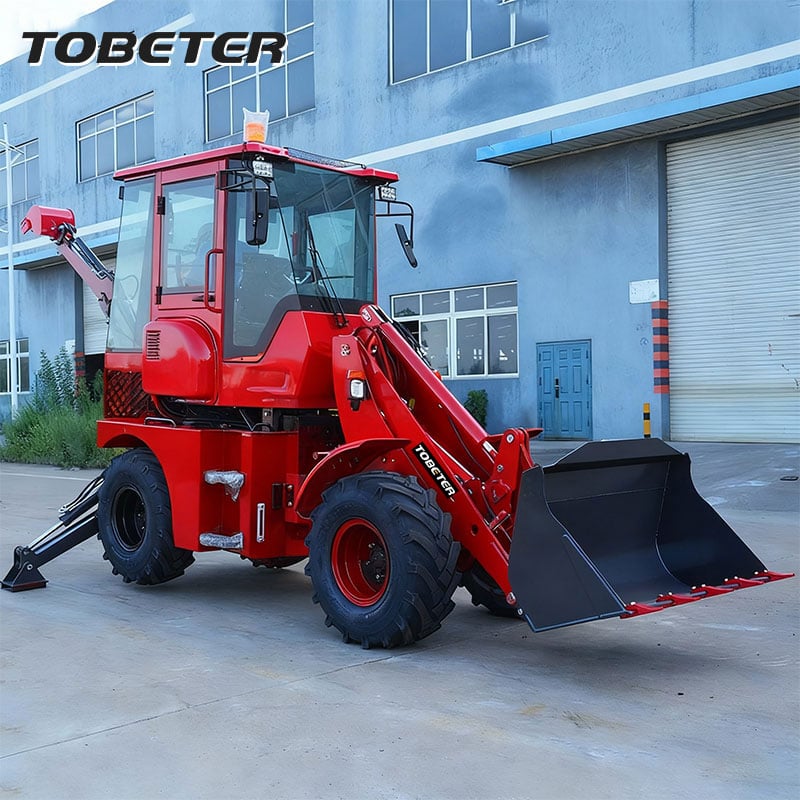
Heavy Earth Moving Machinery: 4 High-Performance Models

Overview of Heavy Earth Moving Machinery

Heavy earth-moving machinery is highly robust machinery built to perform large-scale excavation, grading, material handling, and site-preparation. These machines include familiar types of equipment such as an excavator, bulldozer, wheel loader, grader, and dump truck which provide a high level of consistently high power, durability, and ability to work in harsh conditions. Designed to provide precise operation, increased productivity and long-term reliability through the use of reinforced frames, up-to-date hydraulic systems and advanced diesel engines, heavy earth-moving machinery can be found in the construction, mining, road construction and infrastructure industries where they are used for large scale construction or infrastructure projects.
Get A Quote

Heavy Earth Moving Machinery

Heavy earth-moving machines are available in a wide variety of types and attachment options, making it easy to adapt them for a variety of applications, including excavation, grading, hauling and site preparation for construction, mining and industrial applications. The use of heavy earth-moving machinery in the construction industry has provided the foundation for today's diverse construction and industrial development industries. The primary function of heavy earth-moving machinery is the efficient transport of large amounts of dirt and materials during construction. Therefore, heavy earth-moving machines allow construction projects to occur accurately and safely within specified time frames.

Design engineers place primary emphasis on engineered design elements such as stability, strength, and control of machine operation in the design phase. For example, when designing and constructing heavy earth-moving machinery, engineers adopt well-distributed weight and a low center of gravity to ensure stability while digging or transporting large amounts of material.

In addition to ensuring stability, the utilization of track type or other heavy-duty tyer design ensures that the earth-moving machine has adequate traction to operate in soft, uneven, or steep conditions.

Advanced hydraulic technology is used to provide smooth and accurate performance of heavy earth-moving machinery. Accurate control of the depth of excavation, the position of blades, and the placement of waste material results in improved productivity, reduced material waste, and more accurate grading and level requirements.

Besides, operator-centric design increases productivity due to the reduced level of operator distraction resulting from reduced noise and vibration during the operation of the heavy earth-moving machines.

The long-term value of heavy earth-moving machinery is also determined by its ease of maintenance. Heavy earth-moving machines are typically designed with component parts that are modular and include accessible service points to make hardware maintenance easy. By simplifying maintenance, heavy earth-moving machines can maximize machine availability, particularly during high-demand periods.

The technological advances associated with heavy earth-moving machinery enhance the productivity and efficiency of operators and support the eco-friendly use of these machines in construction.

All contractors and industries that conduct large-scale earth-moving operations should consider purchasing heavy earth-moving machinery as an important investment due to the power, durability, accuracy, and versatility associated with the many operations that require heavy earth-moving equipment.
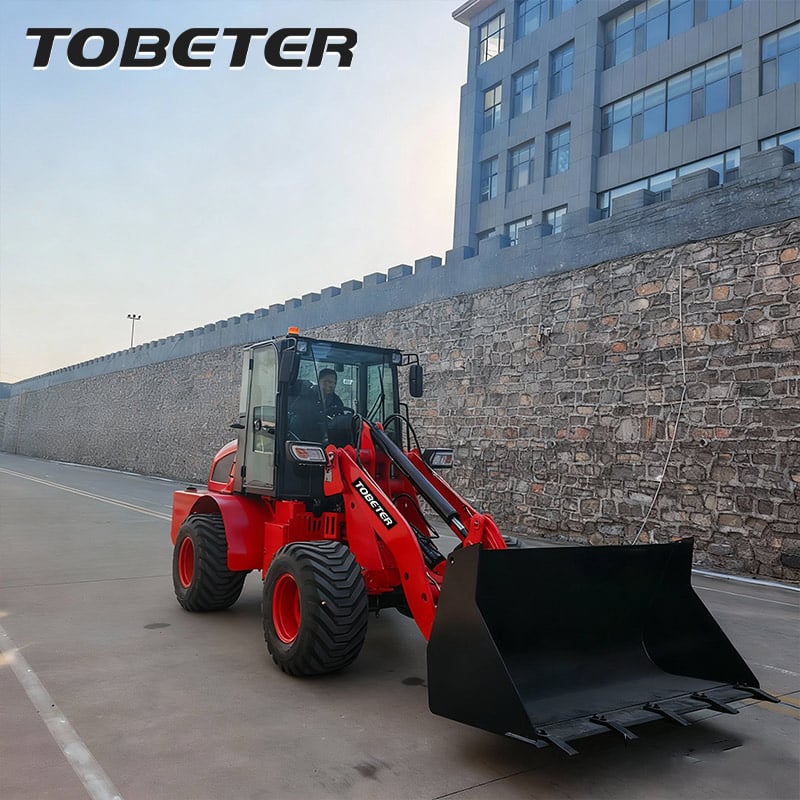
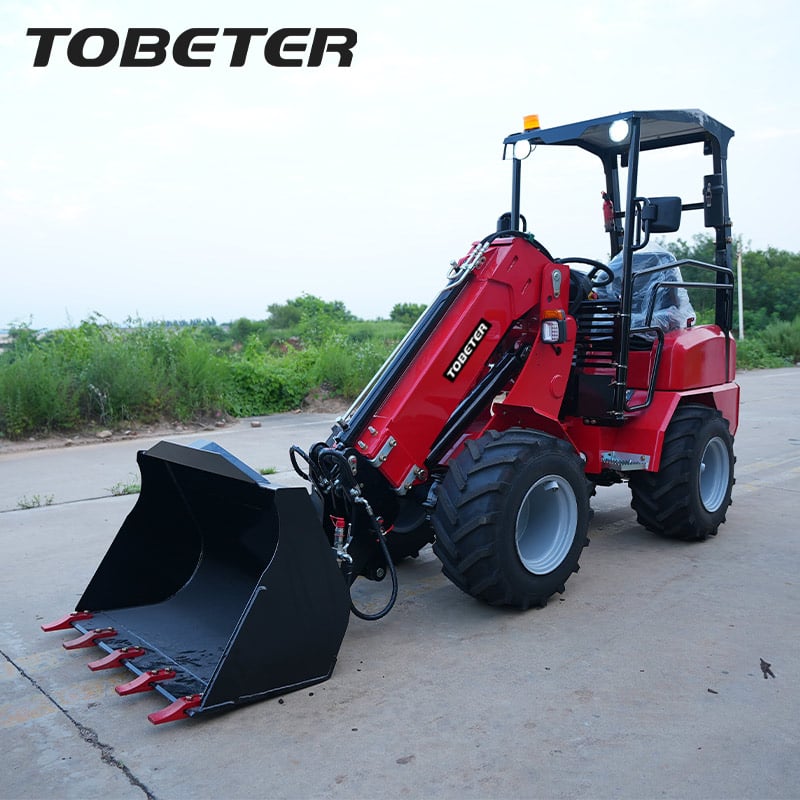
F&Qs About Heavy Earth Moving Machinery

What equipment is classified as heavy earth-moving machinery?

Heavy earth-moving machinery consists of excavators, bulldozers, wheel loaders, motor graders, dump trucks, scrapers, and articulated haulers for use in the large-scale movement of earth.
Heavy earth-moving machinery is employed across numerous industries including construction, mining, and infrastructure development; additionally, they are utilized for the construction of roads and energy projects and the preparation of industrial sites.
Yes. Heavy earth-moving machinery may be operated in an extreme environment (e.g., rocky ground, very high temperatures, excessive dust and extremely heavy workloads).
Heavy earth-moving machinery enhances the efficiency of projects by speeding up the process of handling large amounts of material accurately. This leads to less manual labor and quicker timelines for completing a project and, as a result, a more productive job site overall.

Advantages of Heavy Earth Moving Machinery

Powerful Performance for Large-Scale Earthworks

Heavy earth-moving machines are built with extremely powerful engines and advanced hydraulic systems to provide the muscle needed for long-distance hauling, heavy pushing, and deep excavation. Their ability to rapidly and efficiently move huge volumes of material makes them an ideal choice for large infrastructure and mining projects.

Exceptional Durability in Harsh Conditions

Heavy earth-moving equipment is manufactured with heavy-duty materials, reinforced frames and wear-resistant parts to provide reliable operation in the harshest conditions, such as rocky terrain, extreme weather and dusty environments. The durability of heavy earth-moving machines assists in extending the service life of the machine and reducing breakdowns.

High Productivity & Cost Efficiency

The use of heavy earth-moving machines improves productivity dramatically by reducing the number of machines used and completing tasks faster. By lowering overall operating costs through optimized fuel use and reduced downtime, the use of heavy earth-moving machinery increases project profitability.

Applications & Adaptability

Heavy earth-moving machines are available in a wide variety of types and attachment options, making it easy to adapt them for a variety of applications, including excavation, grading, hauling and site preparation for construction, mining and industrial applications.

Get in touch

Name
Phone/WhatsApp
Email
Message
0/1000