EN
EN

Urban construction has been fraught with difficulties for contractors since time immemorial. The rapid growth of population density within cities, the development of old or outdated infrastructure, and a substantial increase in the need for repair or upgrade of equipment and infrastructure placed added pressure on urban contractors. Thus, traditional urban construction methods (based on multiple single-use pieces of equipment) cannot satisfy urban contractors' needs.
Therefore, the need for a piece of equipment that can meet a number of urban contractors' needs in a compact, versatile format that eliminates the constant need for equipment changeovers is increasing. A hybrid wheel loader backhoe machine is one such vehicle that meets this criterion.
A wheel loader backhoe is a combination of a wheel loader (which serves as the front and rear shovel) and an excavator (which serves as the rear-end shovel). This design allows urban contractors to perform all of the loading and excavating, trenching, and material handling functions using only a single machine. Therefore, wheel loader backhoes have become considerably more efficient, user-friendly, and fuel-efficient than previous generation designs.
With increasing versatility, enhanced mobility, and compact working Dimensions, these machines are quickly becoming the preferred equipment for urban contractors.
A wheel loader backhoe, also referred to as a backhoe loader, is a machine that has a loader on one end and can also be used with a backhoe on the other. Unlike standard excavators or standard wheel loaders, the backhoe loader is designed to be portable and versatile, making it ideal in situations where space is limited and several types of work are needed at the same time.
The backhoe loader is a wheel vehicle powered by a diesel engine that uses hydraulic systems to operate both the loader and the backhoe. The operator of the loader typically sits in a mid-mounted seat, which provides good visibility of both the front and rear working areas. Some models allow for dual control or rotating operators' seats to help the operator change between loader and backhoe operations.
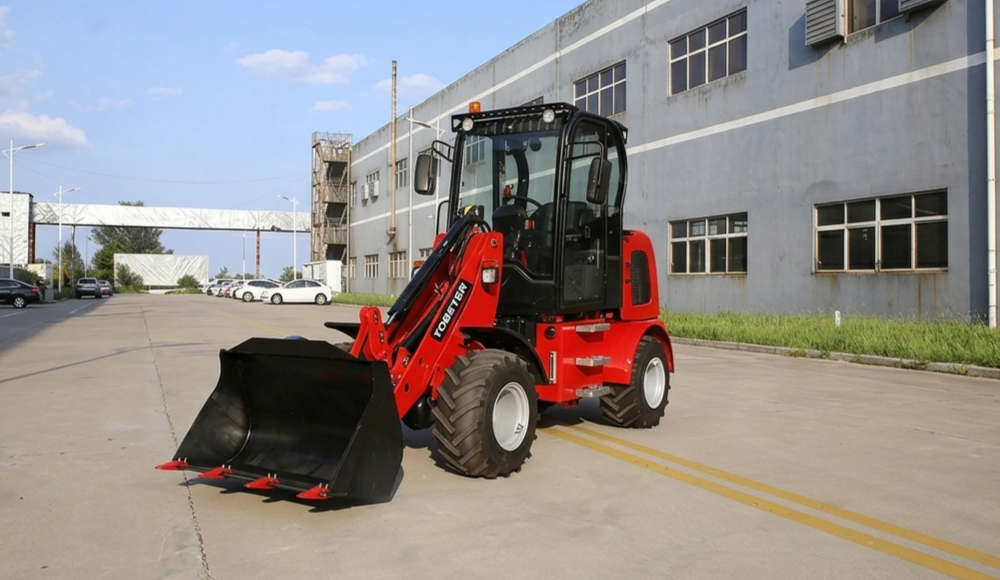
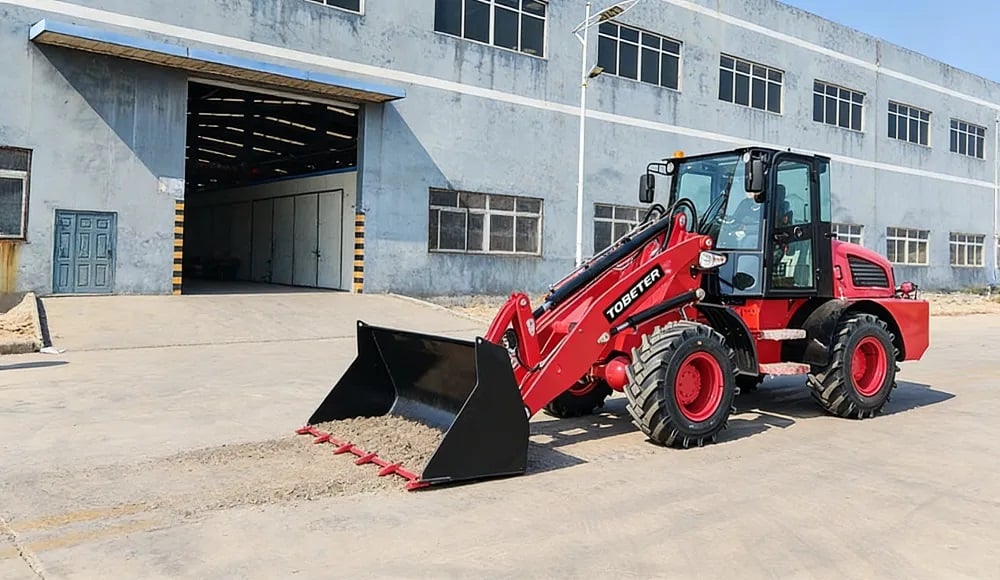
Front Loader Bucket: The front loader is used to lift, carry, load, and push materials from one location to another. The loader's ability to easily and quickly load, haul, and place materials like dirt, gravel, sand, rubbish, and construction materials has made it a very effective means of loading trucks and levelling surfaces.
Rear Backhoe Arm: The backhoe is a boom, dipper, and bucket used to dig underneath the surface of the ground. The backhoe is used to create trenches and excavate for foundations and utilities. The reach and digging depth of backhoe loaders also make them suitable for many urban excavation operations where the machine's reach and digging depth must be taken into account.
Wheeled Chassis: Unlike tracked machinery, backhoe loaders are designed to be mounted on rubber tires, making them more mobile and easier to manoeuvre.
The wheel loader backhoe is considered a hybrid machine because it merges the capabilities of two traditionally separate pieces of equipment. Instead of using a wheel loader for material handling and an excavator for digging, contractors can rely on a single machine that performs both roles effectively. This hybrid nature is the foundation of its value in urban construction.
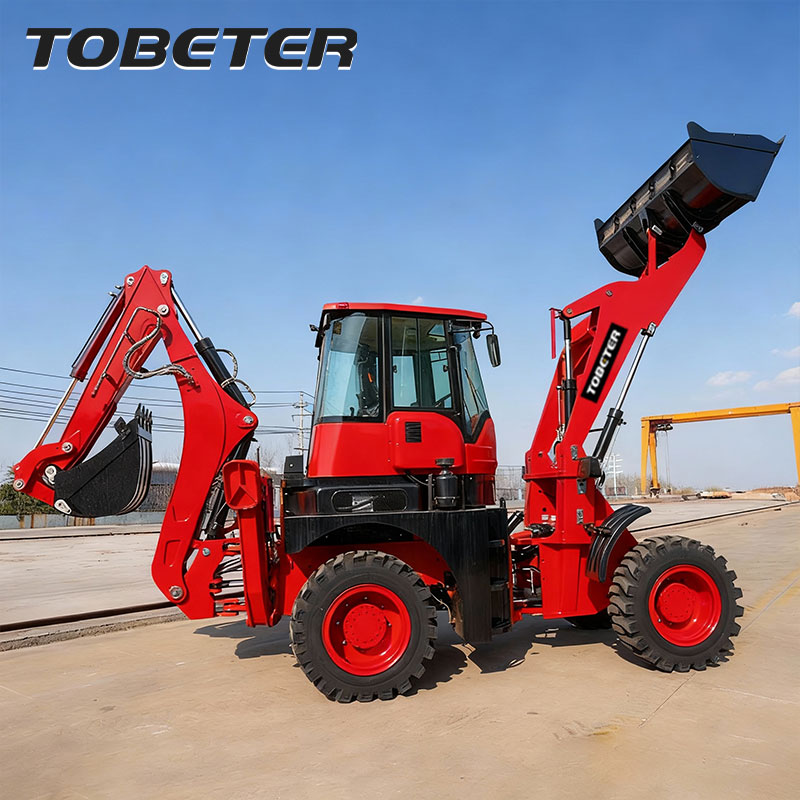
The main strength of the dual-purpose wheel loader backhoe is its multifunctionality. Due to the ability to switch between a loader and a backhoe, it can perform numerous tasks on most job sites without interruption.
A wheel loader backhoe's front shovel serves as a fast, high-powered loader, thus offering advantages in a variety of loading operations, including:
Material Handling: By moving dirt/aggregate/demolition/salvage, etc., from one end of a jobsite to another and shipping it out, as well as materials into storage from stockpiles on the sides of a jobsite.
Loading Trucks: Quickly and effectively loading dump trucks or shipping containers with material that has been excavated/stockpiled on occasion or by direct store from the job site of construction.
Clearing Roadways: When urban areas are re-paved and have rubble from broken-in repairs, a front shovel wheel loader is an excellent way to clean up at a quick speed, removing broken asphalt and demolishing the remaining rubble.
With appropriate attachments, the wheel loader can also handle street cleaning, pallet moving, and compaction.
The rear backhoe provides the user with the tool necessary for excavation work with complete accuracy and precise power. A backhoe will assist greatly in the excavation of:
Trenching: Long, narrow trench work, such as for water mains, sewage piping, electrical conduit, or gas piping.
Excavation: Large excavation, as well as trenching in preparation for a cleanout.
Utility Installation: Supporting the installation, inspection, and repair of underground utilities.
An articulated arm on a backhoe enables precise digging in limited access areas while minimizing damage to adjacent structures due to its versatility.
The wheel loader backhoe has distinct advantages associated with multi-tasking because the operator can quickly transition between tasks (e.g., digging and loading). This reduces the amount of time the machine is shut down or requires additional machinery to complete these tasks (less idle time). Consequently, there are:
Fewer machinery changes, which reduces coordination, downtime, rental or purchase costs associated with having multiple machines on-site.
Shorter project duration because transitions between work locations are performed without interruption to efficient project progression.
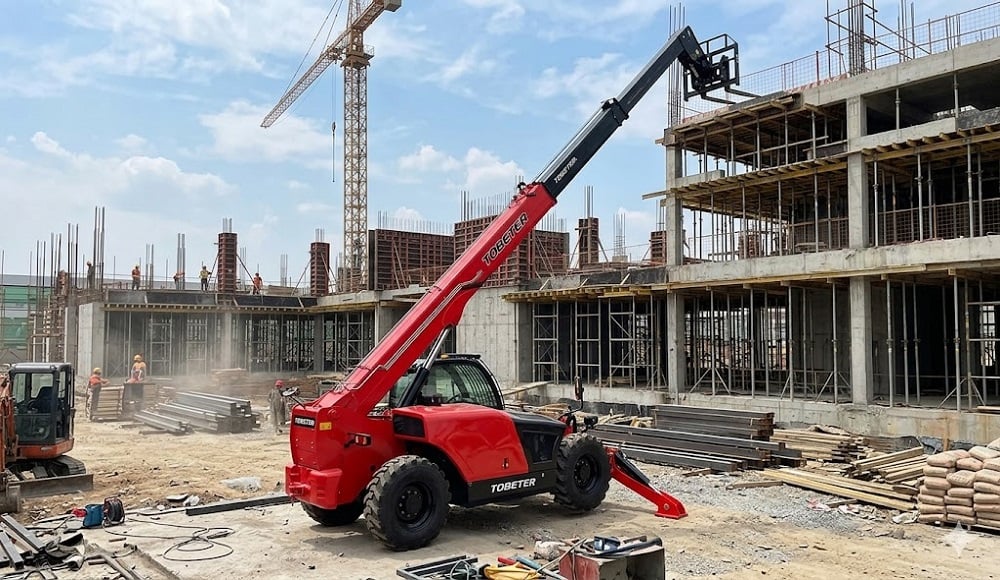
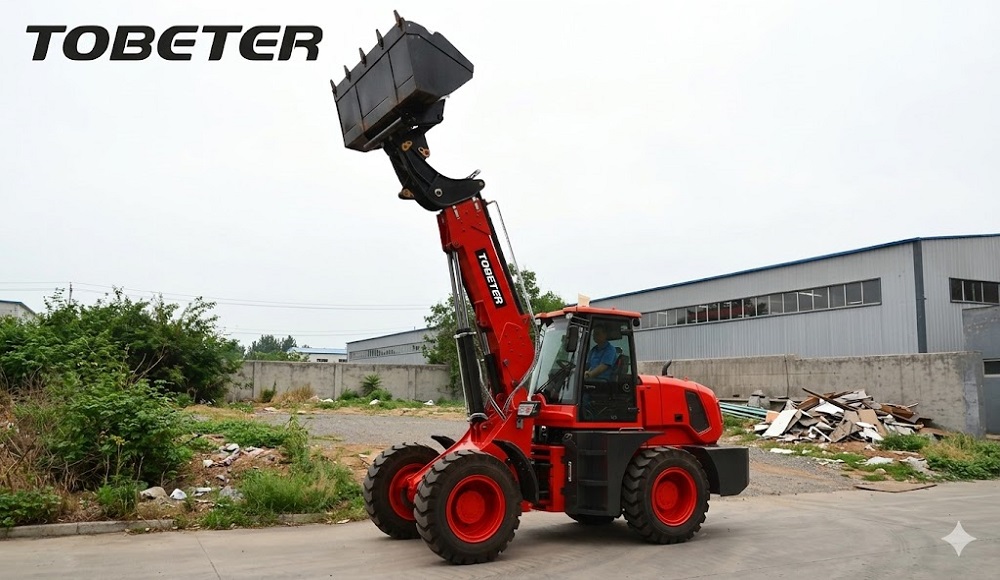
Many modern wheel loader backhoes are built with a quick coupling system allowing the operator to easily and quickly exchange various attachments (e.g., hydraulic breaker attachments, auger drill bit attachments, grapple arms, forklift attachments, sweeper tools, etc.), thus further enhancing the versatility of the backhoe and making it usable for an even wider variety of urban-based operations than previously possible.
Urban jobsites generally require equipment that is compact, capable, and flexible. The wheel loader backhoe is designed to meet these needs better than many other one purpose built pieces of equipment.
Urban jobsites often have limited physical space due to the presence of narrow streets, multiple buildings, and no locations available for storing materials on-site. The compact size of the wheel loader backhoe allows the machine to effectively work in restricted spaces. The machine also does not impede pedestrian or automobile traffic flow while performing operations associated with operating a backhoe.
As wheel machines allow for great maneuverability, it is also easier to travel fast to jobsites with this type of equipment since they do not require trailers. City contractors often work for many different short-term jobs, and being able to move quickly between locations is very important for them.
Due to the fact that one multifunctional machine can do the job of several machines, there is less need to transport, store and maintain each unit. This makes the equipment logistics more efficient and saves the costs associated with transporting heavy machinery, particularly in densely populated areas.
The use of one multifunctional machine rather than several separate units on site will reduce the overall noise and emissions produced. Most modern backhoe loaders conform to strict environmental regulations, which allows them to be used in urban applications.
Due to the quick setup time of the equipment, its efficiency, and the reduced number of units on the jobsite, disruption is minimized. The faster projects will be able to complete will have a greatly reduced impact on the daily lives of urban citizens.
The majority of city construction projects consist of several small tasks and do not include a single big project. Backhoe loaders are perfect for doing this type of work, as they are both flexible and efficient.
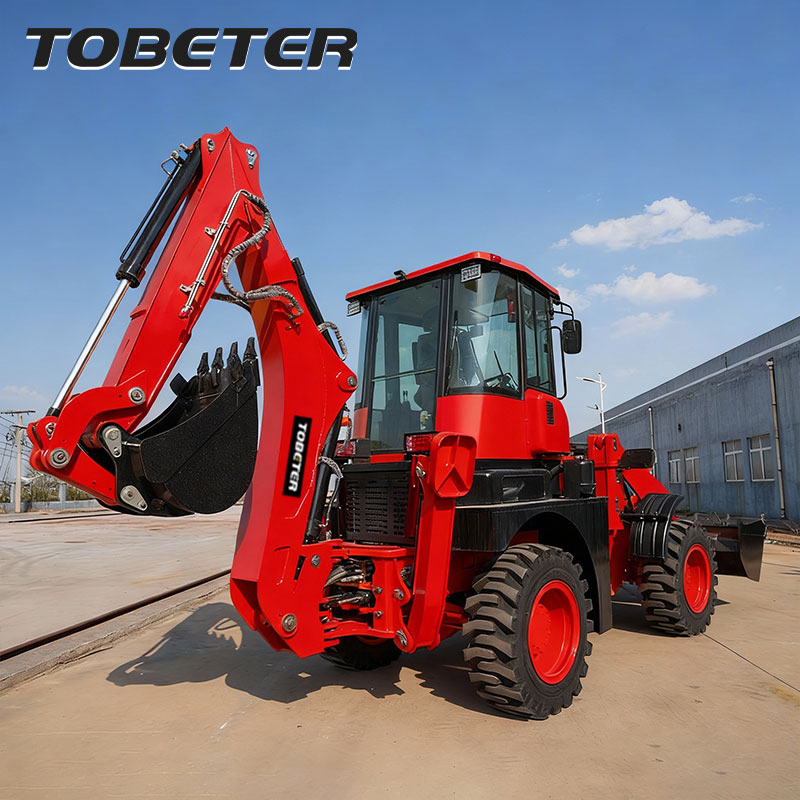
Wheel loader backhoes can be found throughout various urban environments because of their versatility to perform numerous tasks.
Road Maintenance and Repair: To service potholes and do asphalt removals and base preparation.
Utility and Pipeline Installation: Trench and backfill for water, gas and electrical utilities.
Sidewalk and Curb Construction: To provide excavation of materials, as well as for material transport and finishing.
Landscaping and Public Space Upgrades: To provide earthmoving services, planting preparation and material movement.
Municipal Services and Snow Removal: Clearing of streets, sidewalks and public spaces during heavy snowfalls.
Emergency Infrastructure Repairs: Rapid response time to broken water mains and power line damage due to storms.
The ability to do multiple functions with one piece of equipment is the most beneficial advantage in all these scenarios.
Wheel loader backhoes offer a unique and innovative solution to all of the urban construction problems associated with urban areas. Their hybrid design gives them the power and strength of a loader with the precision of a backhoe. Therefore, contractors will have the opportunity to perform many different tasks with only one piece of equipment. Due to the compact size, excellent mobility, reduced transportation/logistics cost, and greater adaptability for urban environments, backhoe loaders are well-suited for the growing and changing demands for urban construction.
As urban infrastructure is changing and demand for low-impact and highly efficient construction processes continues to grow, wheel loader backhoes will remain an essential tool for all contractors and municipalities. They meet all of the demands for modern urban construction: versatile use, highly efficient, and dependable.
Tobeter’s wheel loader backhoes exemplify these advantages by offering robust performance, operator comfort, and adaptability for diverse urban applications—making it a dependable choice for today’s demanding construction environments.