EN
EN

The construction industry and material handling sectors need solutions that allow workers access to machines that perform multiple jobs while simultaneously reducing wasted time transitioning between different machines on a job site. Project deadlines are tight, labour is expensive, placement of the job site often restricts transportation and storage of machines, and there is an increased emphasis on working quickly and under budget. Because of this, machines that can perform multiple functions without the need for every machine to be changed have become very desirable.
One machine exemplifying this type of versatility in the industry is the backhoe wheel loader — a machine that performs two functions (excavation and loading). The machine's design supports dual functionality, which allows the operator to dig trenches using the digging attachment; load materials using the loading attachment; fill empty trenches; or lift and/or transport pallets onto and off of trucks/storage facilities. The backhoe wheel loader provides a variety of additional capabilities by utilising different attachments.
The versatility of equipment on work sites is beneficial to reducing downtime and lowering an operator's total cost of ownership while enhancing productivity. Instead of hauling and maintaining multiple pieces of specialised equipment, an operator would have one piece of equipment that can perform multiple jobs, depending on the attachment used.
This article will provide a thorough analysis of the versatility of backhoe wheel loaders. We will look at what backhoe wheel loaders are, how they are constructed, where they are implemented, and why they are such an exceptional investment opportunity for different types of industries.
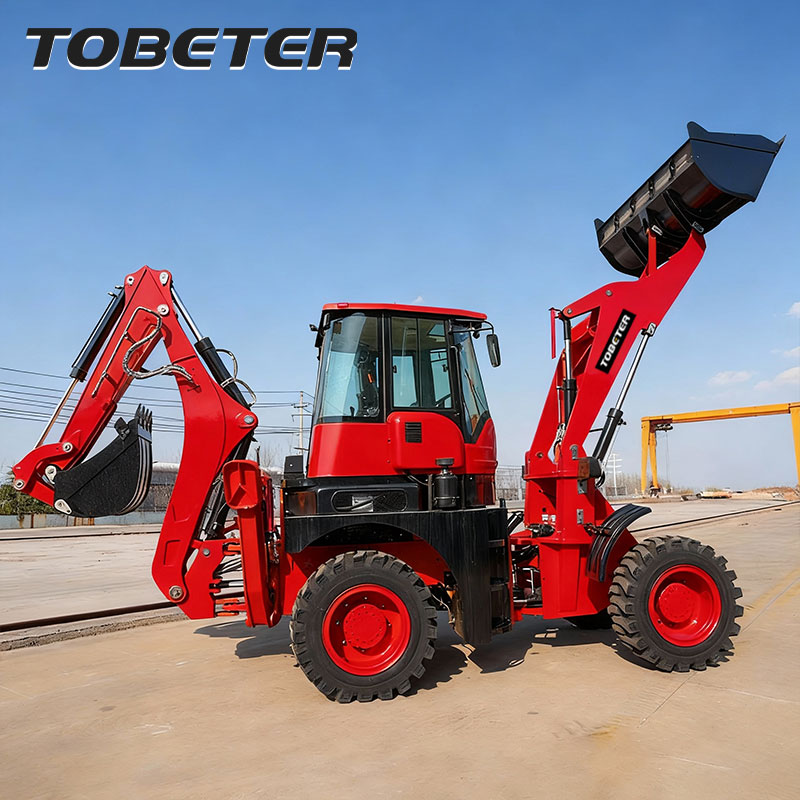
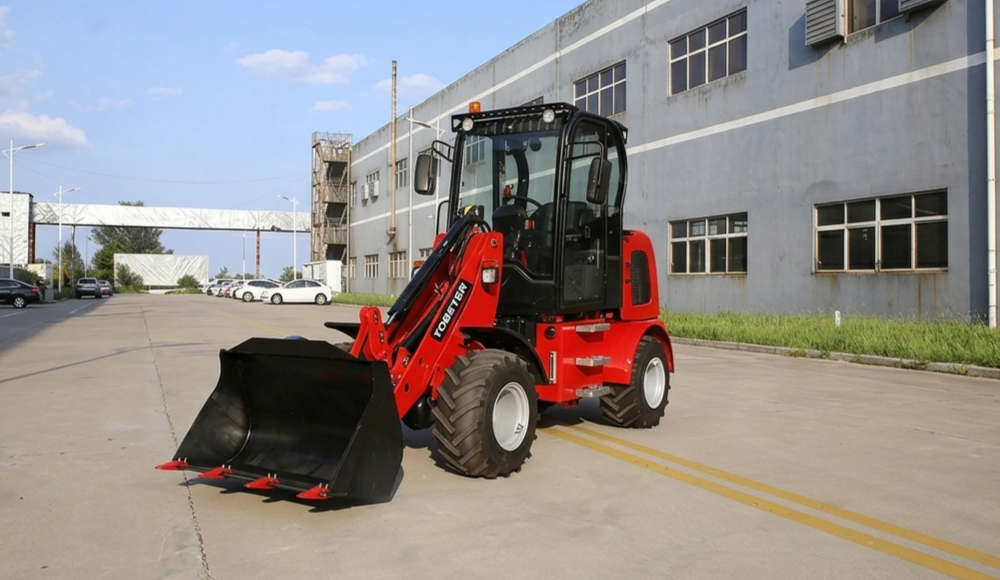
The backhoe wheel loader is a versatile piece of construction equipment that features both a front-end bucket as well as an excavating hoe arm mounted at the back of the wheel loader, giving it the ability to complete material handling tasks along with excavation tasks without changing attachments. Due to this dual-use capability, backhoe wheel loaders are among the most flexible types of machinery found on construction sites.
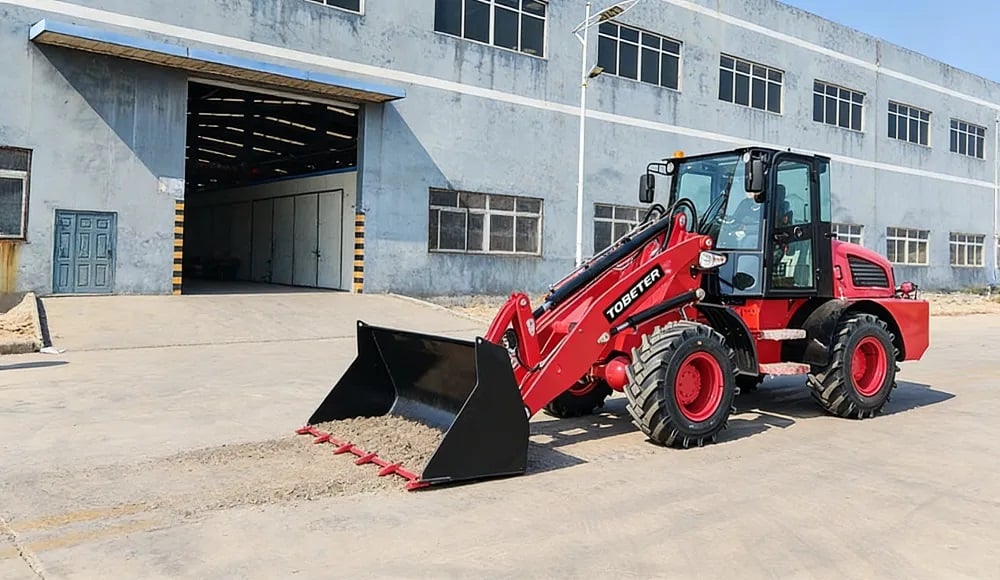
The bucket is located on the front of the backhoe loader; it is used to lift, transport, and stack various materials such as sand, earth, gravel and aggregate, etc., clean up construction sites, as well as grade or transport materials short distances.
The excavating hoe arm is located behind the backhoe loader; this arm is designed for digging and/or trenching applications. It typically consists of three components, which are a boom, dipper, and digging bucket. The backhoe arm enables the operator to dig trenches for utilities, install underground pipe systems, build foundations, etc., with a high degree of accuracy.
Unlike tracked construction equipment, which has tracks for mobility, a backhoe wheel loader is mounted on rubber tires. Because of this mounting technology, a backhoe wheel loader has superior mobility as well as greater speed when traveling compared to an excavator, and causes much less damage to the surface where it is operating when compared to a tracked machine.
Compared to Standard Wheel Loaders: Standard wheel loaders are good at handling and transporting materials, but they have no ability to dig and excavate. When you add the excavating capability of a backhoe loader, you can eliminate the need for a separate excavator in many job sites.
Compared to Excavators: Excavators are extremely specialized for the digging and lifting applications associated with excavation. However, excavators are less effective at loading and transporting materials over long distances than backhoe loaders. Backhoe loaders are more mobile than excavators and they provide superior performance when performing loading tasks, especially on mixed-task job sites.
Compared to Skid Steer Loaders: Skid steer loaders are smaller and easier to manoeuvre, but backhoe wheel loaders are larger and capable of completing a variety of tasks. Backhoe wheel loaders have a higher maximum digging depth and reach, as well as a greater lifting ability than skid steer loaders. However, skid steer loaders may be better suited for smaller projects than backhoe wheel loaders.
Backhoe loaders are available in many classes, with weights between 7 and 10 tons, digging depths of 4—6 meters, and loader buckets that can handle light to medium-duty material handling. The range of backhoe loaders makes them useful for cities and rural areas.
The versatility of a backhoe wheel loader has been achieved through thoughtful engineering that combines power, mobility, and function together.
The dual-functioning features are one of the primary characteristics for identifying backhoe wheel loaders. The versatility of switching between loading and excavating tasks without getting out of the cab allows one machine to complete all parts of a complete cycle (dig, load, transport, backfill) all on its own.
There are several important advantages that come from the use of wheeled equipment:
Fast travel speeds between the different job locations
Not requiring special transport to go from job to job
Low ground disturbance while travelling on asphalt, concrete or other finished surfaces
Less maintenance is required than tracked equipment
The increased mobility of these systems makes them well-suited for urban areas and for job sites that are widely dispersed.
The hydraulic system of a backhoe wheel loader has been engineered to provide operators with smooth control over both activities (loader and backhoe). Additionally, the overall design of the hydraulic control layout allows operators to switch between different tasks easily and efficiently, reducing operator fatigue during extended work hours.
Despite their many different applications, backhoe wheel loaders are still quite small. Backhoe wheel loaders can turn very sharply, which makes them ideal for working in confined spaces (for example, in the streets of a city) because of their small size and the availability of an articulated suspension.
Through an ergonomic design of the operator's cab, backhoe wheel loaders are designed to improve the ability of the operator to perform their productive tasks efficiently for extended periods of time. These features typically include:
The operator has good visibility from the cab for both the front and rear operations of the machine.
Comfortably adjustable seats and controls for the operator.
Heating and cooling of the operator cab for use year-round.
Reduced levels of noise and vibration for the operator's comfort.
Because of their balanced weight distribution between the front loader and rear backhoe, backhoe wheel loaders provide operators with superior stability when performing lifting or digging tasks. In addition to the ability to achieve superior stability when lifting or digging, backhoe wheel loaders also utilize outriggers/stabilizers to provide a higher level of safety and precision during excavation work.
A true measure of versatility for backhoe wheel loaders is seen in the multiple applications and functions they can perform in diverse industries.
A backhoe wheel loader is one of the most important construction machines because it can do the entire construction process, with different tasks being performed at different stages of the job.
Utility Trenching, Back Filling and Foundation Work: In general, backhoe wheel loaders are great for digging utility trenches and small foundations.
Loading Material and Cleaning Up Job Site Deconstruction: Backhoe wheel loaders are able to quickly load trucks with material, such as dirt and debris, to remove it from the work area.
Roadway Maintenance and Utility Installation: Backhoe wheel loaders are the preferred machine for curb-work, drainage repairs and excavating adjacent to roadway right-of-way.
Farmers and landscape companies prefer equipping their operators with versatile equipment that can handle the variances of the work required for each season of the year, as well as day-to-day differences.
Digging Irrigation Trenches: Backhoe wheel loaders are a great solution when installing and sustaining irrigation systems.
Moving Dirt, Gravel and Feed: Backhoe wheel loaders are ideal at moving dirt, gravel, feed and similar products; with the advantage of the front loader to load dirt and gravel, it is often the most efficient way to do it every day.
Maintaining the Farm Yard and Property: Backhoe wheel loaders perform several different functions for maintaining the farm yard and property, including digging fence post holes, drainage maintenance, and a general clean-up of the property.
Municipal governments often require the use of versatile pieces of equipment for the multiple types of public services they provide to their communities.
Pipelines & Drainage: Size small enough to navigate through city streets; sufficient power to perform excavation.
Snow Removal & Clearing of Snow from Roads: Front loader buckets are configured for snow removal & waste management.
Maintenance Services for Cities & Towns: Perfectly suited for city parks, sidewalks & utility corridor maintenance.
The versatility of backhoe wheel loaders is not limited to the construction and farming industries; backhoe wheel loaders provide support to various industrial applications as well as general material handling requirements.
Common uses include:
Loading pallets, aggregate and other bulk materials.
Providing support to yard/warehousing operations.
Repairing and maintaining equipment in industrial facilities.
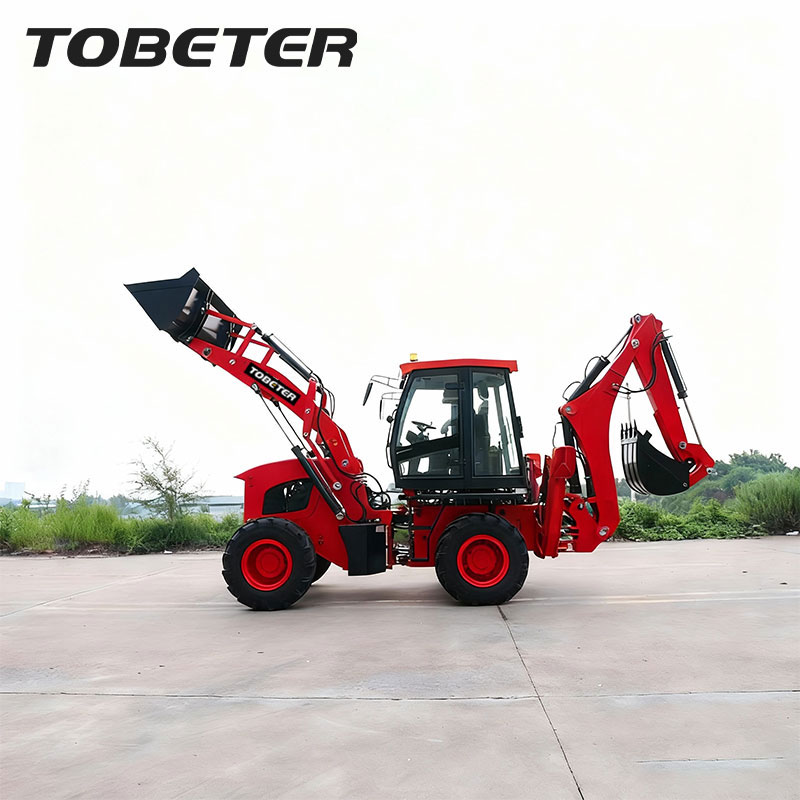
Attachments are a major factor in expanding the versatility of backhoe wheel loaders.
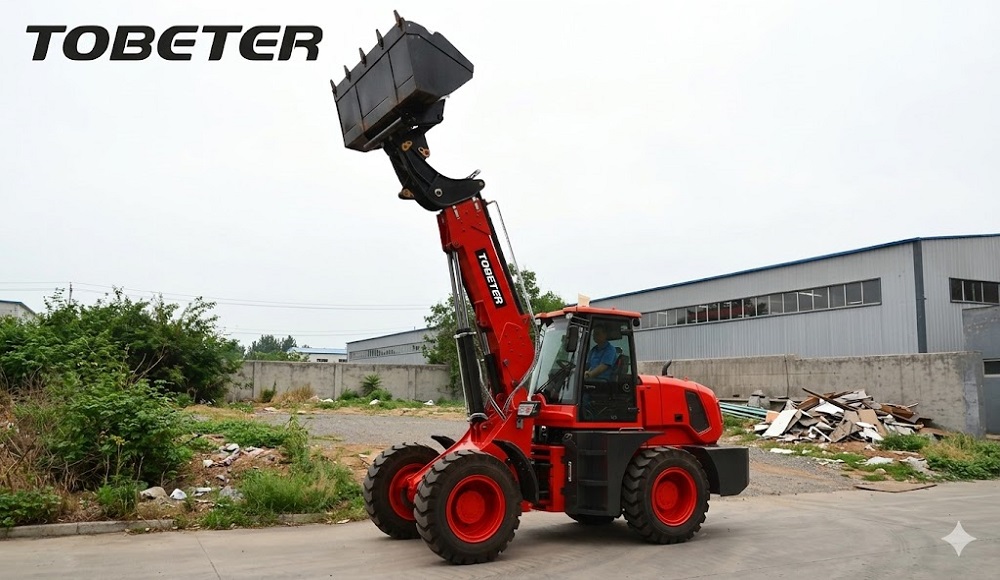
Buckets: Backhoe loaders usually come with a standard bucket that can be used to load material and also a 4-in-1 multi-function bucket that can be used for grabbing, dozing, and leveling material.
Augers: They are used for drilling holes for fence and utility poles, and foundations.
Hydraulic Breakers: They are used for breaking concrete and performing demolition work.
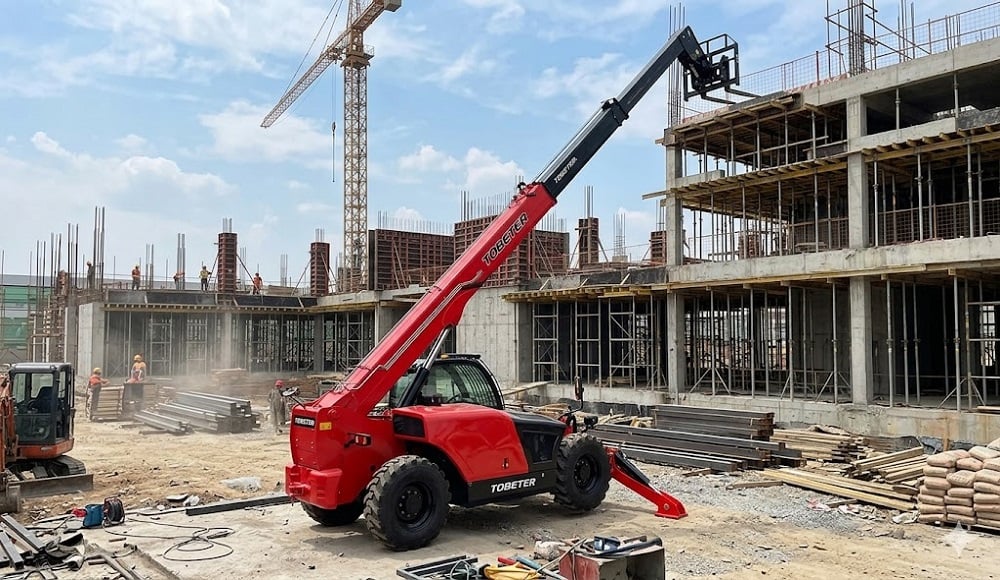
Pallet Forks: Using a pallet fork attachment, the backhoe wheel loader can be used as a forklift for moving material.
Specialty Attachments: For example, there are grapples, snow blades and sweepers, and many other special tools.
The quick coupler system allows operators to easily change attachments and typically does not require the operator to exit the cab of the machine in order to make the change. As a result, quick couplers reduce the downtime of machines and allow operators to quickly change their machines as they require.
By providing support for various attachments, a single backhoe wheel loader can typically replace numerous dedicated machines, thus saving the company from needing to purchase multiple pieces of equipment, store them, and transport them.
Backhoe wheel loaders rank among the most effective pieces of equipment capable of both load and excavation capabilities, wheeled mobility, a compact size, and many different options of attachments. Across a wide variety of different sectors, backhoe wheel loaders are used within and provide value by improving production, decreasing equipment requirements, and supporting companies through their rapid transformation of their working environments.
The modern era of increasing demands for flexibility and production efficiency means backhoe wheel loaders will remain a viable option for any company seeking well-built machines that provide flexibility and long-term savings while having an employee capable of performing multiple tasks with one piece of equipment.