EN
EN

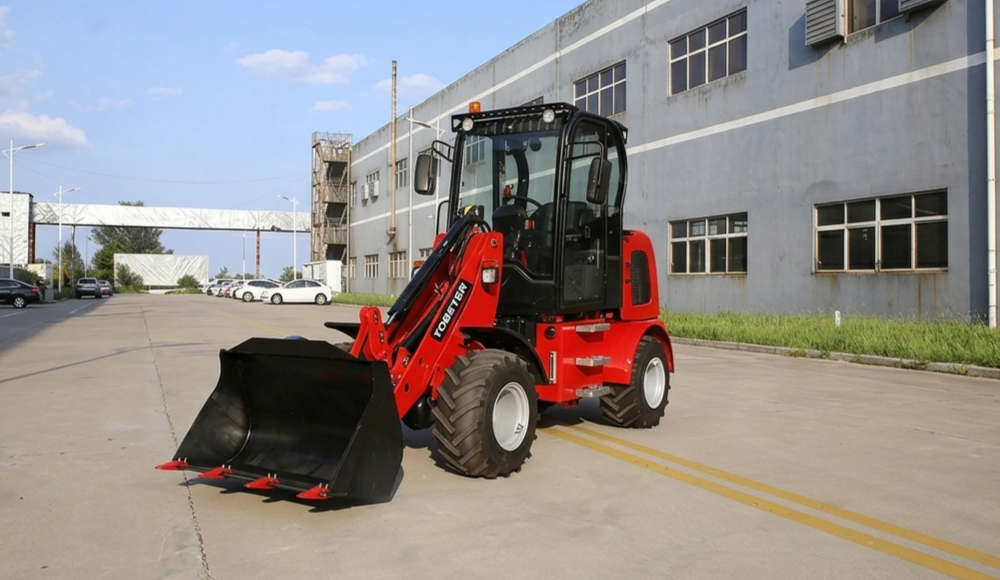
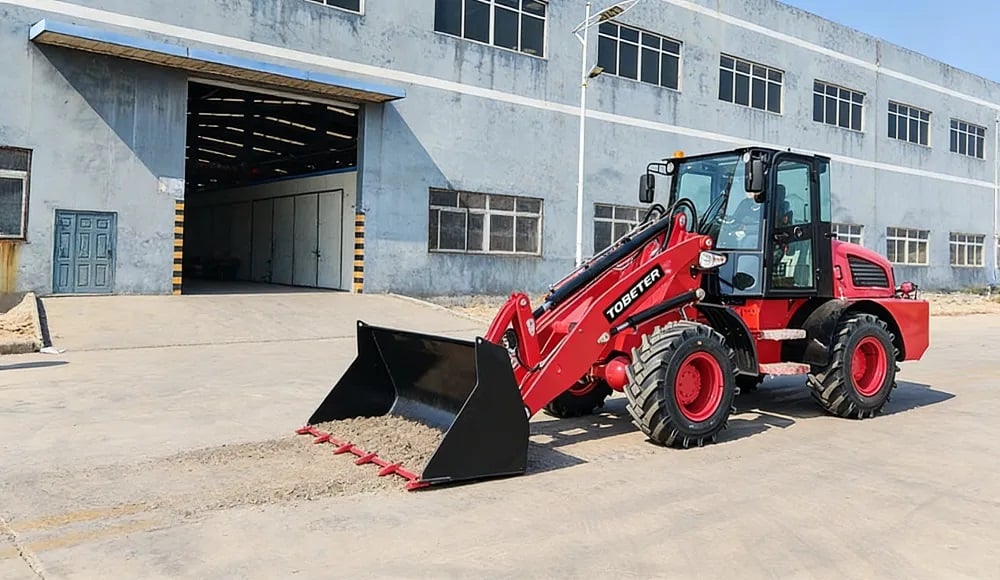
The shovel loader - also referred to as the wheel loader or front end loader - is the modern-day versatile work horse of the industrialized world. The loader has defined the standard of efficiency for material handling since it was born from its beginnings as a modified farm tractor to its ultimate form as being the large, powerful machines of 2026 (2,300 horsepower) that will continue to do so for over 100 years.
I. A century of innovation - The history of the shovel loader
The need for a machine to scoop and lift materials arose out of the desire to use fewer manual labourers and thus the history of the shovel loader is a product of a century of mechanical evolution and adaptation.
The Steam Era (1830's) - The first of its kind, the steam shovel (patented by William Otis in 1839), changed the way people excavated, although they could not move the steam shovel from job site to job site due to the fact that they were huge, rail-mounted machines.
The "Makeshift" Era (1920's) - Agricultural tractors which had been retrofitted with cable operated scoops were the first true wheel loaders to exist. Inventors such as James Cummings and J. Earl McLeod made early prototypes that could actually scoop and dump by relying on gravity to release the load.
The Hydraulic Era (1940's-1950's) - The introduction of hydraulic power changed the way loaders operate. With the introduction of hydraulic systems, loaders could now control the lift and tilt of the bucket. The Volvo H10, which was released in 1954, looked like an upside down tractor with the cab located at the front for better visibility.
The Articulated Breakout (1953 - 1960's) - The articulated joint, which allows the loader to also articulate, or "bend" in the middle, was developed in 1953. The increased articulation allowed loaders to have smaller turning radiuses made loaders essential on tight construction and quarry work spaces.
The Modern Era (1990's - 2026) - Technology is gradually moving towards digital controls, GPS-guided precision, and sustainability. Also the rise in electric and hybrid loaders designed to meet the 2026 emissions standards for their respective class will enable continued performance without sacrificing breakout force.
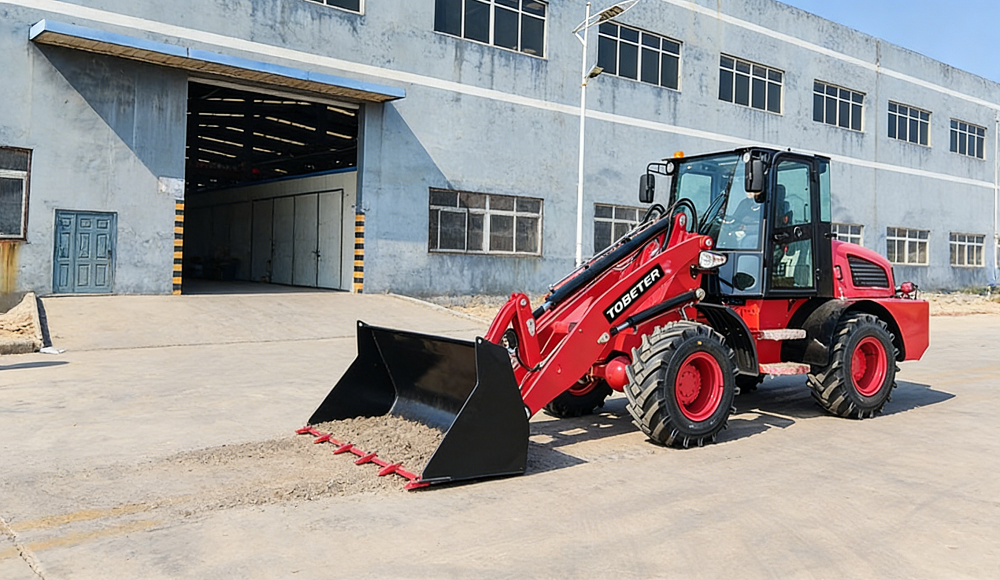
II. The Utility of the Shovel Loader
The utility of a loader can be seen in terms of its "cycle speed", or the speed the loader can scoop, transport, and dump. relative to the excavators, which are generally in a stationary position, a loader is used for quick movement.
1. Construction and Infrastructure
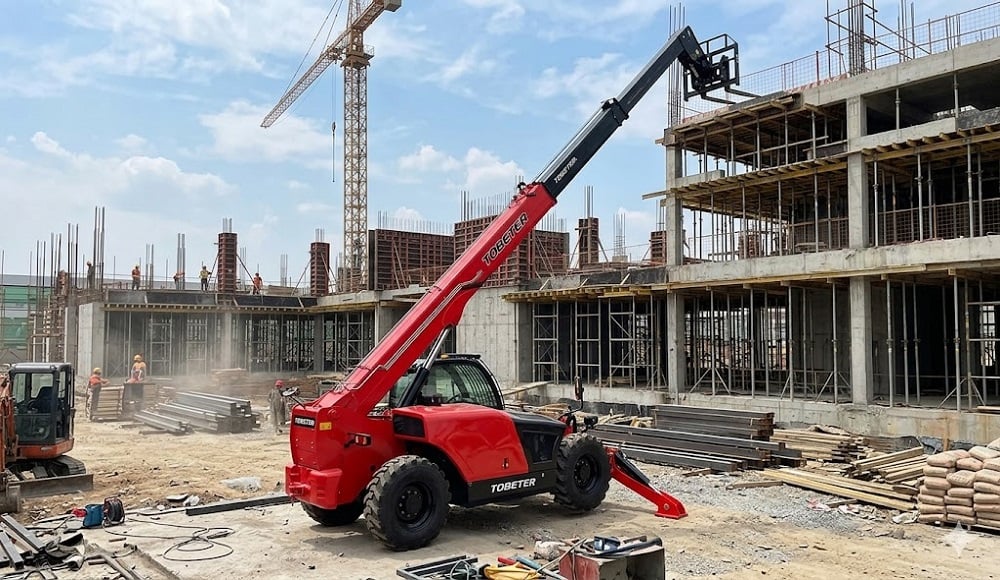
Loaders are not only the primary tool used in preparing sites for road work and building construction but they also have the ability to quickly load large quantities of sand, gravel, and asphalt into a dump truck. The rubber tires of loaders allow them to cross previously placed pavement without doing damage to it.
2. Mining and Quarrying
Loaders are the primary loading tools for large-scale mining; loaders such as Caterpillar 994K or Komatsu WE2350 are used to fill haul trucks with as much as 400 tons per pass in only a few passes.
3. Agriculture and Waste Management
On farms, loaders are commonly used to load cattle feed and manure; and at recycling locations, grapple mounted loaders are used to separate metal, plastic and debris.
Summary of the Future - 2026
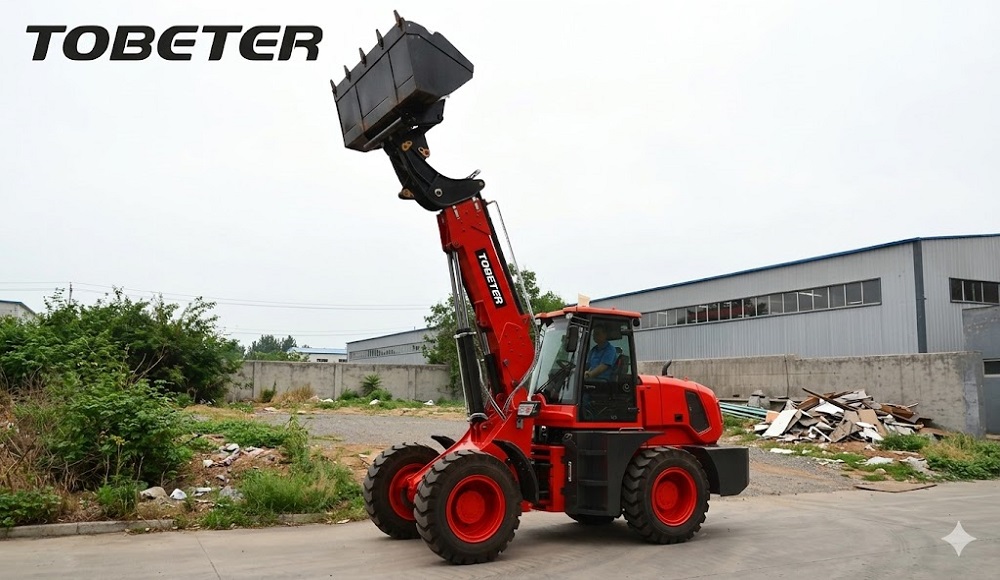
The shovel loader has transitioned from a mechanical tool to a digital asset. TOBETER is continuing this evolution by utilizing telematics and hybrid power in our design for the next 100 years of earthmoving.