EN
EN

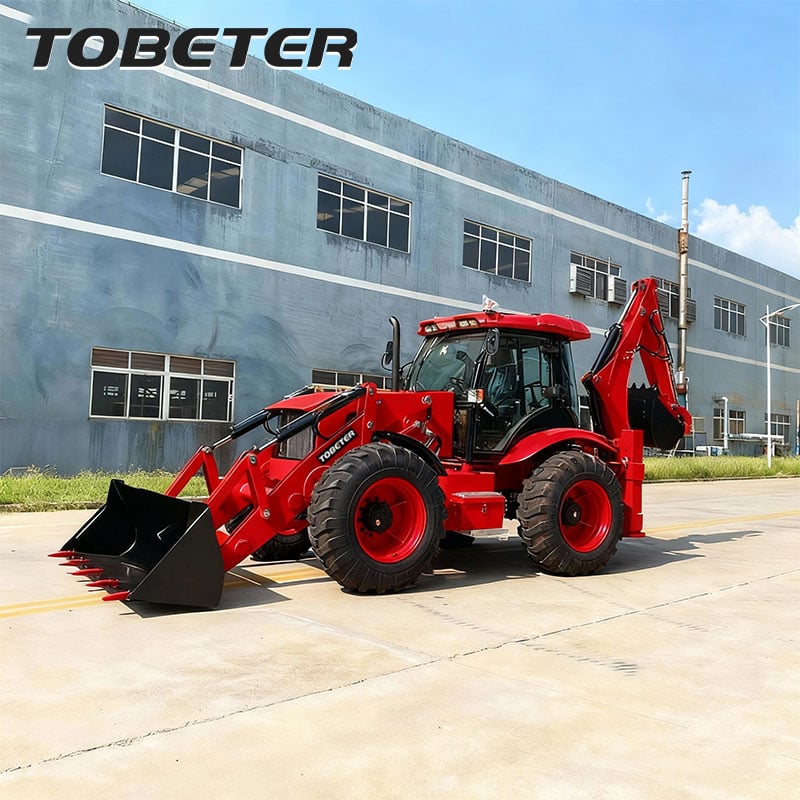
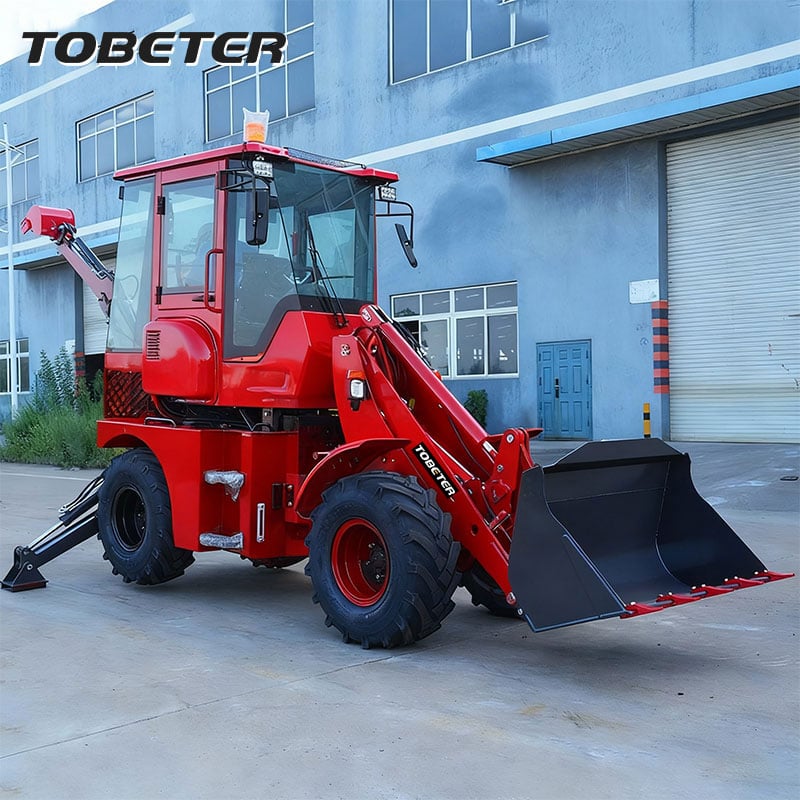
The backhoe loader is probably one of the most flexible pieces of machinery used in civil engineering as well as utility projects; it's designed to handle a wide variety of tasks within a small working area. The front loader, which is equipped with either a bucket or pallet forks, is used for backfilling and light grading, and is capable of performing various material-handling functions. The backhoe arm located at the rear of the machine allows users to dig to depths ranging from 10 feet (3 meters) to 16 feet (5 meters).
The backhoe loader allows the user to dig trenches for utility lines, footings, and drainage systems. Backhoe loaders are manufactured on all-wheel-drive chassis designed with oscillating rear axles or stabilizer outriggers; this design provides the operator with maximum stability while performing deep digging and/or lifting operations on unstable ground. Some newer models of backhoe loaders include features that enable load-sensing hydraulics, ergonomic cabs designed for low levels of noise and vibration, and intuitive pilot controls that help to minimize operator fatigue during extended work shifts.
A growing number of backhoe loaders are equipped with auxiliary hydraulic circuits to accommodate attachments such as hydraulic breakers for demolition and augers for fencing installation; this means that each backhoe loader can serve as a portable tool carrier. Although backhoe loaders typically have less power than their dedicated excavator counterparts or wheel loaders, the machine's real power lies in its versatility: it provides enough breakout and lift capacity to complete the majority of small-to-medium-size projects, while still allowing the operator to fit through standard gates and operate safely in close proximity to streets and sidewalks, buildings, and buried utilities.