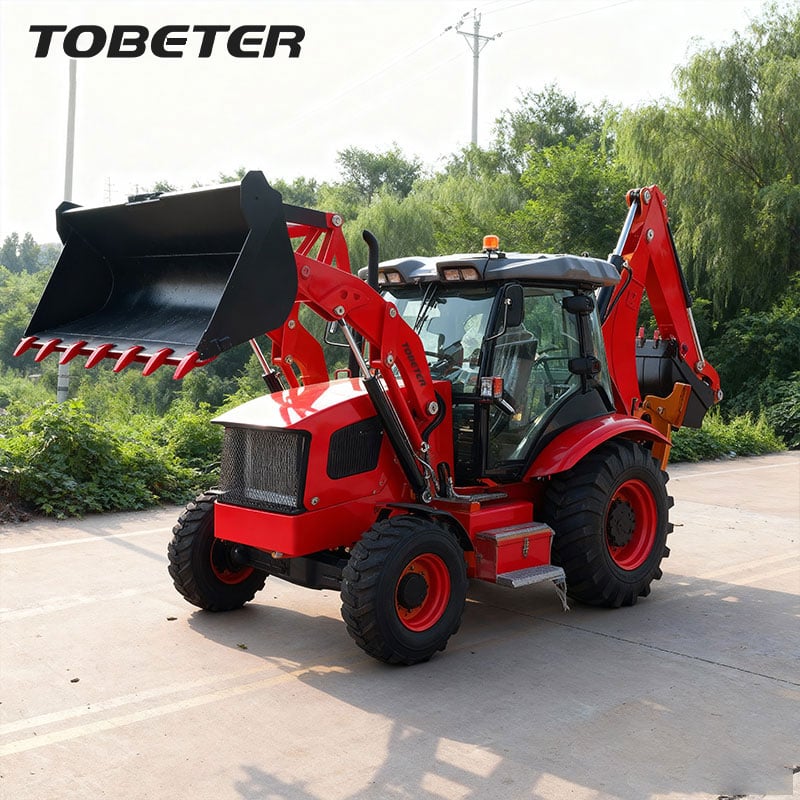
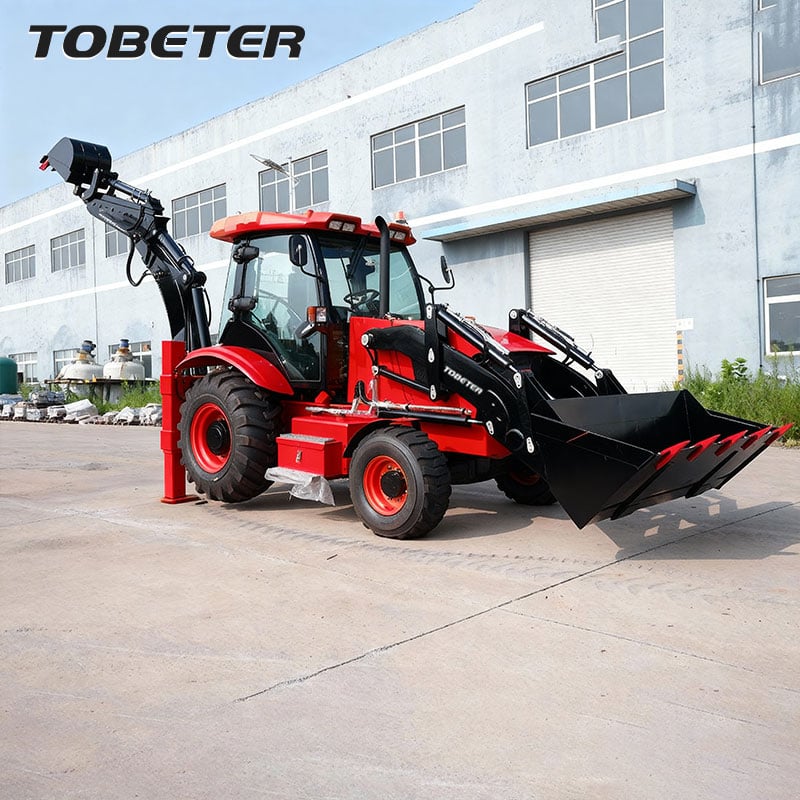
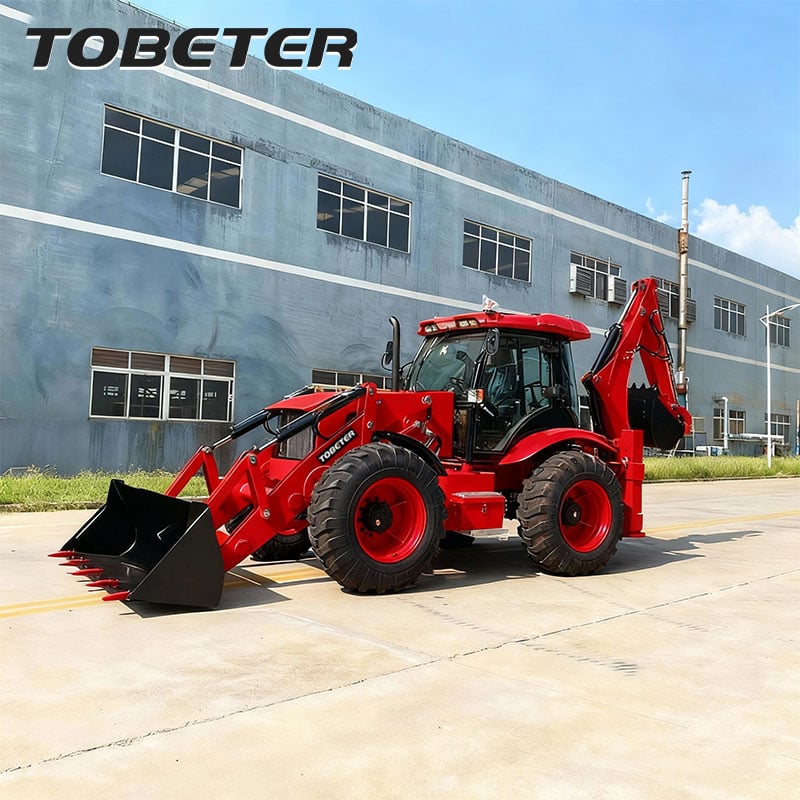
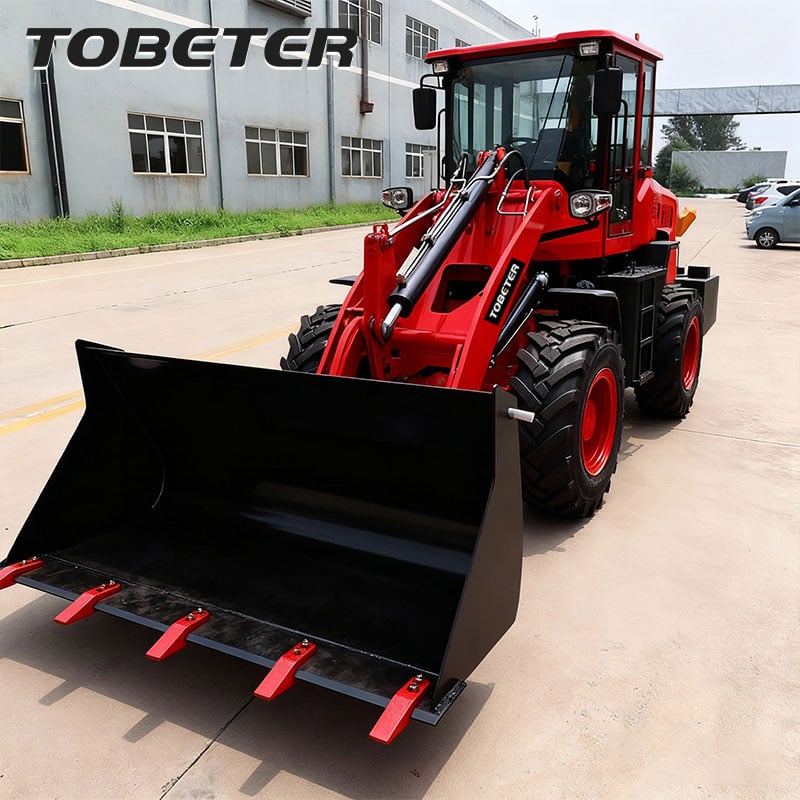
EN
EN

Heavy-duty machinery is built to perform optimally in today's fast-paced, demanding industrial environments where increased strength, reliability, and efficiency are all critical to success. This type of machinery is used extensively on the construction site, throughout the mining industry, in manufacturing facilities and in support of large infrastructure projects that have continuously high load operating requirements.
Depending on a stable structural design adopting reinforced materials, the equipment allows for a high-quality construction design with excellent load-carrying capacity. Therefore, the high-quality components used and the precision manufacturing process have been carefully engineered to be resistant to vibration, shock, and environmental stresses (corrosion, humidity, dust, etc.).
Heavy-duty machinery is also powered by high-performance hydraulic or electrical systems, which provide the machinery with consistent torque and a smooth operation at maximum load. What's more, through optimised mechanical systems, hydraulic systems and electric systems, heavy-duty machinery has energy-efficient components, allowing for reductions in overall operational output costs, while maintaining the same performance.
The operator's experience and safety have been major influences in the design and construction of heavy-duty machinery. Intelligent control systems create an operational interface that allows for precise handling of the machinery and real-time machine performance monitoring, also ease of operation. Besides, the intelligent control systems incorporated in all heavy-duty machinery include numerous built-in safety features, such as overload protection circuitry, emergency stopping functions and fault-detection devices designed to offers both the operator and the equipment increased operational safety.
Heavy-duty machinery is engineered for long-term use with minimal maintenance. The application of wear-resistant components, sealed systems and modular design creates a machine that is highly durable and allows for servicing and repairs to be performed easily, reducing downtime and increasing the machine's service life. In turn, this results in lower costs of ownership and a reliable and cost-effective industrial solution.