Construction Equipment Industry Solutions | 4 Top Machines

Overview of Construction Equipment

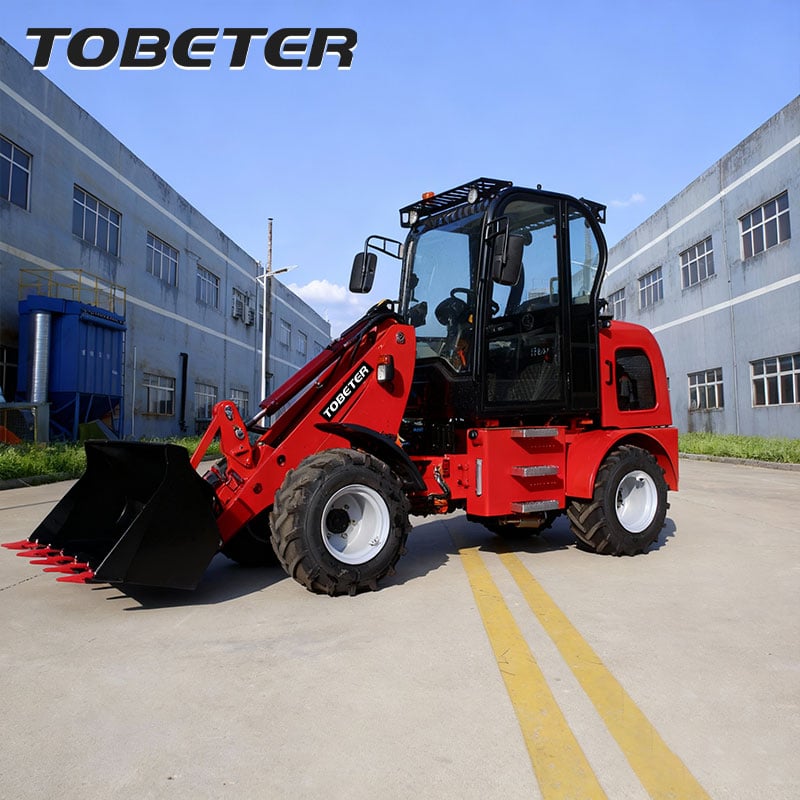
Construction equipment consists of various tools, machines, and vehicles used in the process of moving dirt and materials from one location to another on a construction site. Compact excavators, telehandlers, motor graders and mobile cranes are all examples of construction equipment. All construction equipment has been engineered to serve the specific needs of the construction industry by providing a way for the contractor to maximize space available to him for his work, as well as allowing for the proper representation of the design at a later date when finished.
Get A Quote

Construction Equipment

The equipment used in construction provides the moving power of modern construction. The construction process has become a completely integrated machine, with each piece of construction equipment performing an assigned and interconnected task. For example, an excavator will accurately excavate a building’s footings or trench to provide a firm foundation. With a bulldozer, a general contractor will clear all debris from the site and prepare the ground for a finished or level surface.

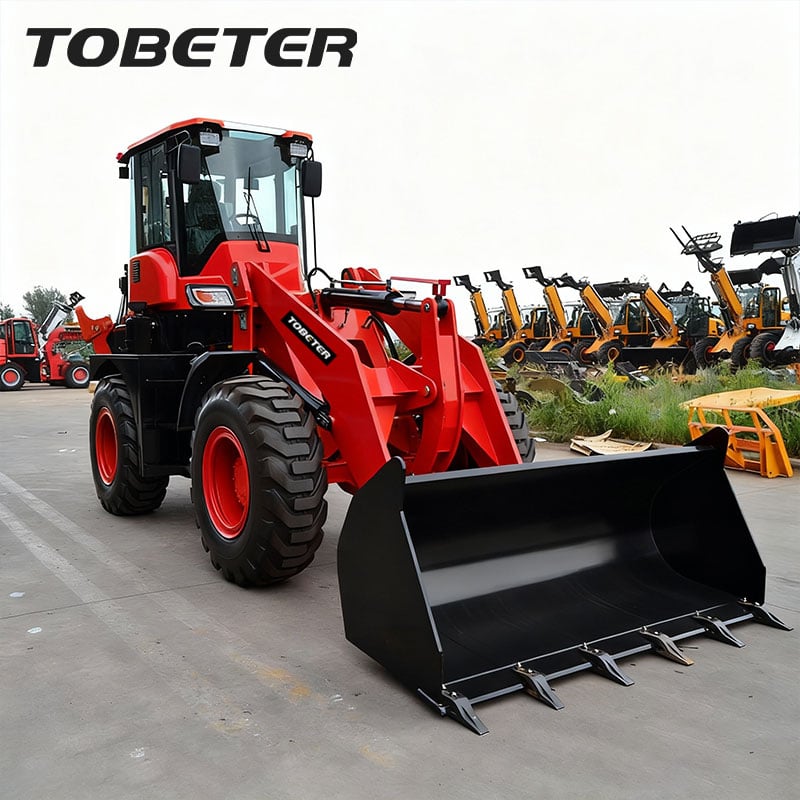
Dump trucks, wheel loaders and articulated type vehicles (for bulk material movement) move large amounts of materials across the construction site as fast as possible. Motor graders refine the surfaces of the site to exact slopes for drainage and paving. Compactors densify the soils and asphalt to a density consistent with engineered specifications. Crawler cranes and floor cranes lift structural steel, precast concrete and façade systems safely above the working area of a job site to a predetermined height.

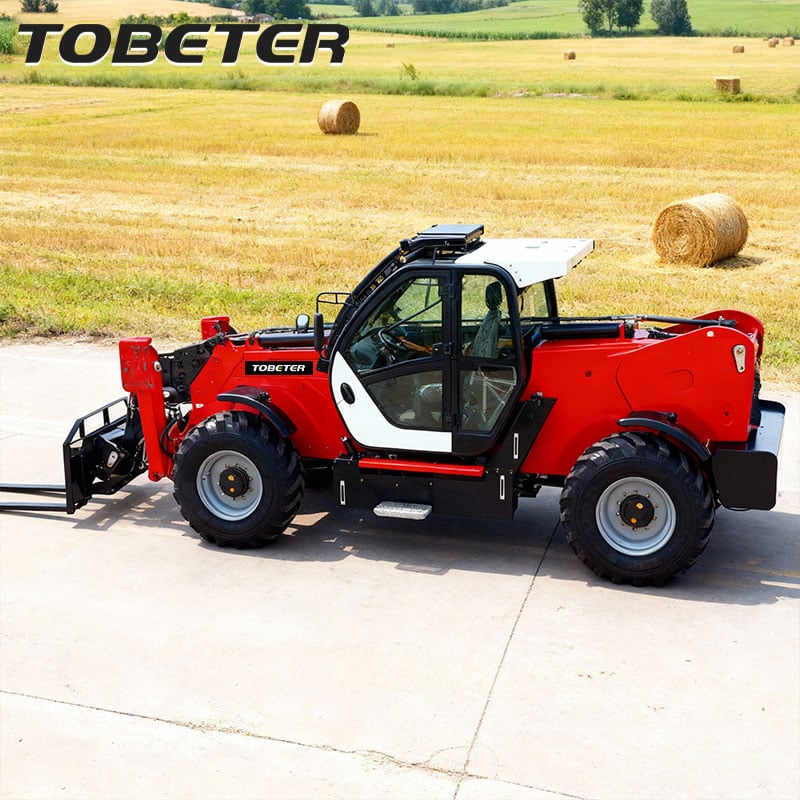
Concrete pumps have been designed to aid in placing concrete in forms even at lengths of up to one hundred feet (and higher) on a multi-storied structure. Telehandlers and aerial lifts provide tradesmen with access to the building areas of the evolving structure and allow for the movement of goods and services to the interior of the building.
F&Q About Construction Equipment

What types of construction equipment are essential for a typical building project?

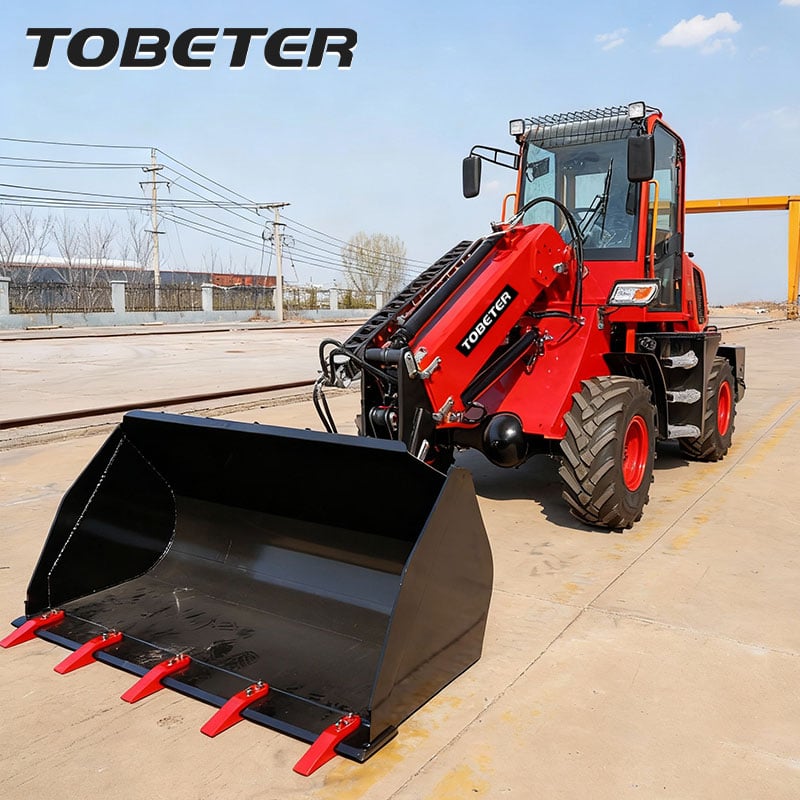
Examples of basic equipment include: excavators (used for excavation), wheel loaders or telehandlers (used to move material), mobile cranes (used for lifting), concrete pumping equipment (used to place concrete), compactors (used to stabilize soil); the actual type of equipment will differ based on the size and limitations of the project and site.
Modern machinery has integrated automated functions (such as automatic grade control), is connected to each other through telematics (a combination of telecommunications and computer systems), is electrically operated, and has improved safety features. Machinery no longer serves as simply an independent tool but has transitioned into a data-centric machine within digital construction networks to increase accuracy, productivity, and sustainability.
Electric walk-behind and midsize machines (less than 20 tons) have equivalent torque, cycle time, and run time to diesel machines when utilized in most urban and commercial construction applications. Adding to the benefits of using electric walk-behind and midsized machines, they produce no emissions, have little to no noise, and require lower maintenance than therefore produce little to no CO2 footprint.
All machines should be certified trained prior to use, have daily inspections completed before use, utilize camera and proximity sensors to monitor the operator's location and the machine's surroundings, operate according to designated load charts, utilize clear lines of communication throughout the site, and employ an increasing number of geofencing and machine-interlock technologies that will prevent unsafe operations in shared work areas.

Advantages of Construction Equipment

High Productivity

Utilizing machines in place of manual labor reduces project delivery time and physical demand on personnel by streamlining labor-intrinsic processes.

Precision & Consistency

Advanced hydraulic systems support precision guided execution of all functions in accordance with strict engineering requirements.

Adaptability

All machines are designed in multiple sizes and configurations to accommodate a wide range of locations and job types; small compact designs for use in urban environments, while larger designs are made for heavy use in the mining sector.

Smart Integration & Sustainability

Telematics, electric drive systems, and predictive maintenance offer a solution to increase operational insight while simultaneously reducing both emissions and operating costs.

Get in touch

Name
Phone/WhatsApp
Email
Message
0/1000