EN
EN

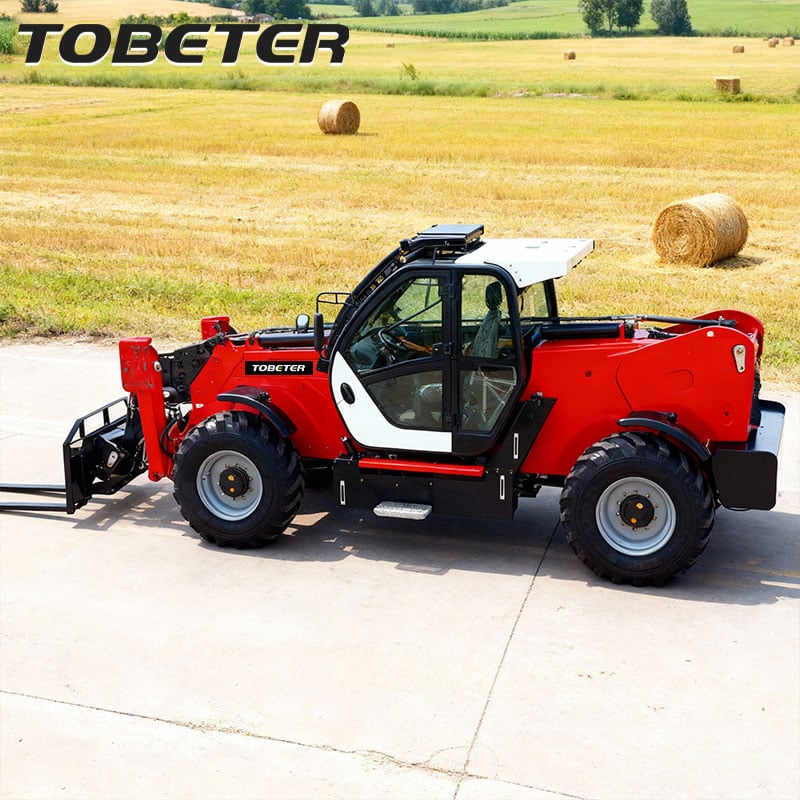
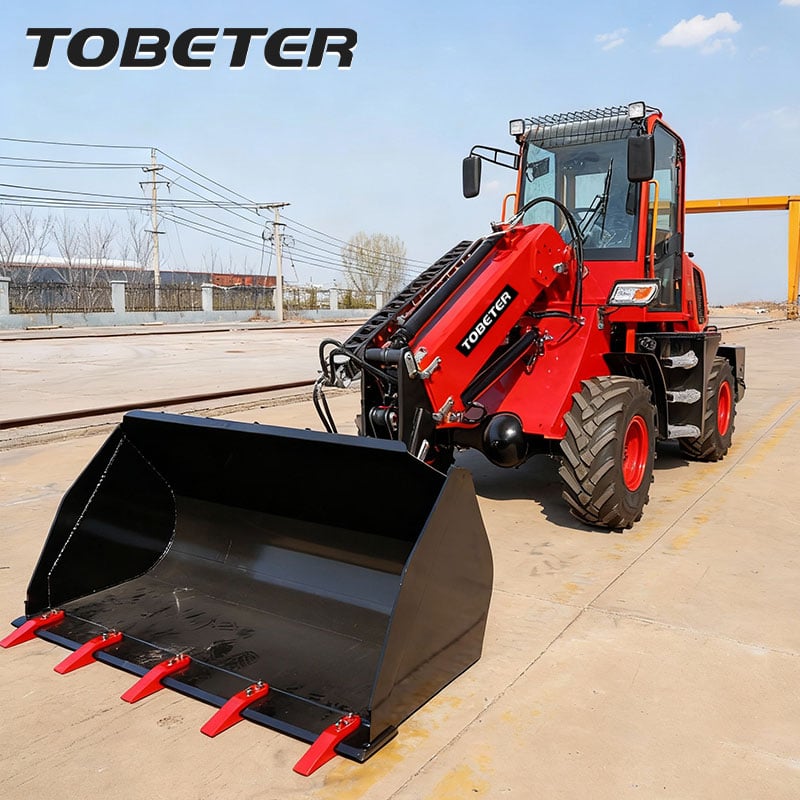
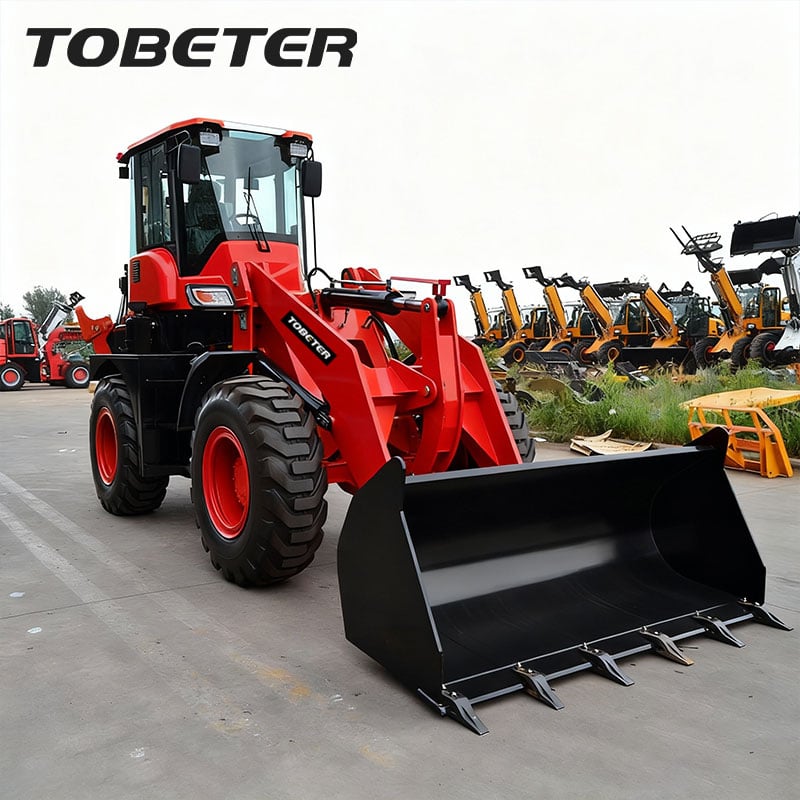
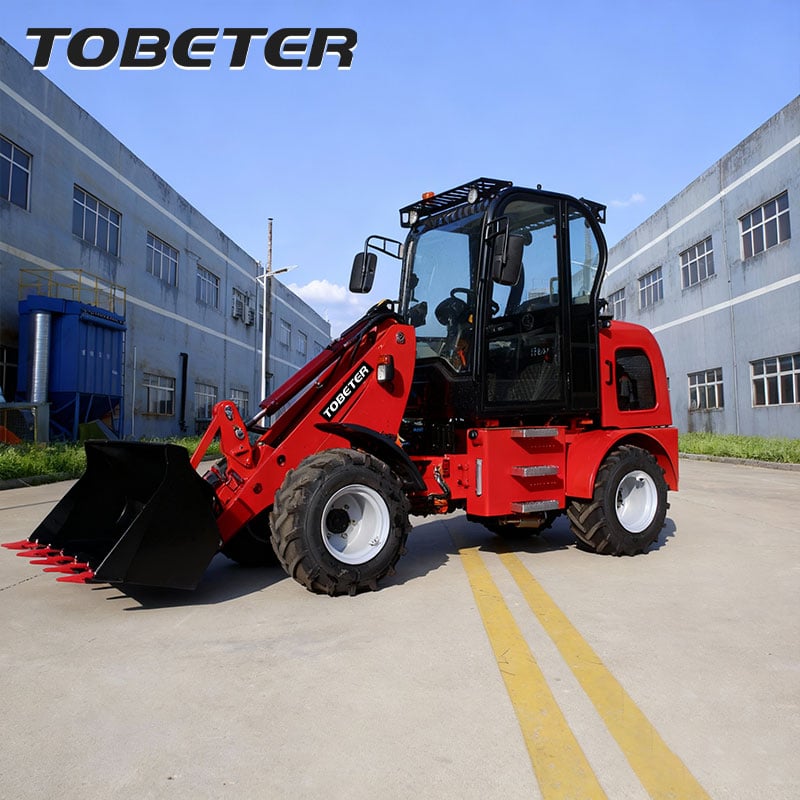
The machine work together like an orchestra, each playing its part in turning visionary drawings into the bricks and beams of a structure: mini excavators that slice out trenches for power and sewer lines with minimum disturbance to the site; cranes, either tower or mobile, mated to the structural steel for buildings or precast panels and cladding; telehandlers that bridge the gap between forklifts and cranes to get material to the levels; concrete boom pumps that push high-strength mixes into scary-looking forms—sometimes at dizzying heights when those forms define the shape of a skyscraper’s floor; wheel loaders and skid-steer loaders that keep the machine trains fed with rock, sand, and cement for the pouring of floors and walls all the way through to clearing away debris. Sometimes, there are just-in-time deliveries of high-rise materials by hoist.
Air machines, scissor-life techs and boom lifts, place assemblers, electricians, and glaziers at the working zones in what is now often a “nearly-scaffoldless” lifting work. Now that electrification of many of these machines is in swing, we see battery-powered excavators, telehandlers, and lifts working to the very top of a gleaming building ad needle nose, even in ground zero locations where big cranes hardly dare tread.
Add some smart technologies—a collision-avoiding system for cranes, telematics for monitoring the health of a lift fleet, or digital lift-planning software to improve safety and efficiency in packing and reaching every critical point of a tall-build—and the synergy of earthmoving, lifting, and hoisting and moving machines not only turns dirt, bricks, and steel into living structures, it pushes schedules forward and glues the seams snugly right on to the day when that building comes to life.