EN
EN

Modern building construction relies heavily on machines, which allow for quick, safe, and accurate construction from the ground up to the top. During initial stages of building, compact excavators, including zero-tail-swing models, will dig through soil for footings and basement walls, as well as utility trenches between tight property lines. Next, mobile cranes (or tower cranes) are used to raise steel beams, precast panels, curtain walls, and mechanical units into position at precise heights with millimeter control, typically with the assistance of anti-collision software in areas with a high volume of construction activity, such as dense urban areas.
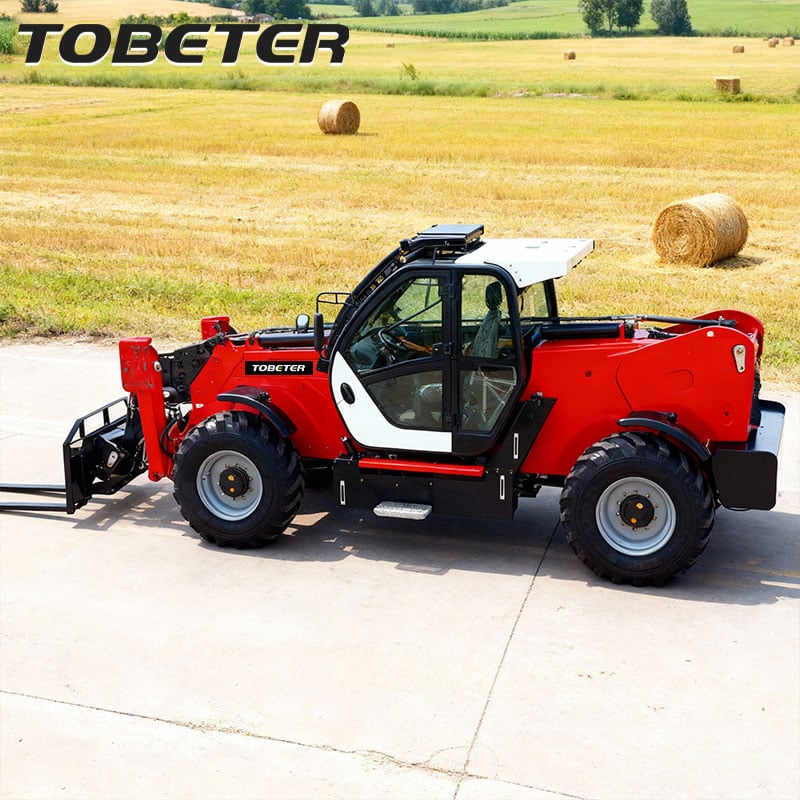
Telehandlers have been created to bridge the gap between a forklift and a crane. Telehandlers have a telescopic boom, which allows users to place palletized goods (such as masonry, HVAC equipment, or framing materials) onto the floors of buildings being built. Telehandlers also can navigate uneven terrain or incomplete slabs of concrete.
Concrete pump trucks deliver high-strength concrete mix directly into formwork from a distance and height that exceeds 50 meters above the ground, eliminating the need for multiple buckets of concrete and thereby ensuring a void-free pour.
Operators using aerial work platforms (e.g., scissor lifts or articulating booms) can gain access safely, easily, and without using scaffolding. Now that most of the equipment being used on site has been electrified, battery-operated excavators, telehandlers, and lifts can be used indoors without creating noise and emitting emissions. The use of battery-operated machines conforms with the green building movement.
In addition, new machines contain additional technologies, such as telematics, digital lift planning, and real-time diagnostics that improve co-ordination, maintenance, and productivity. Therefore, in addition to the increased power that the machines add to each stage of the building process, they also add intelligence.