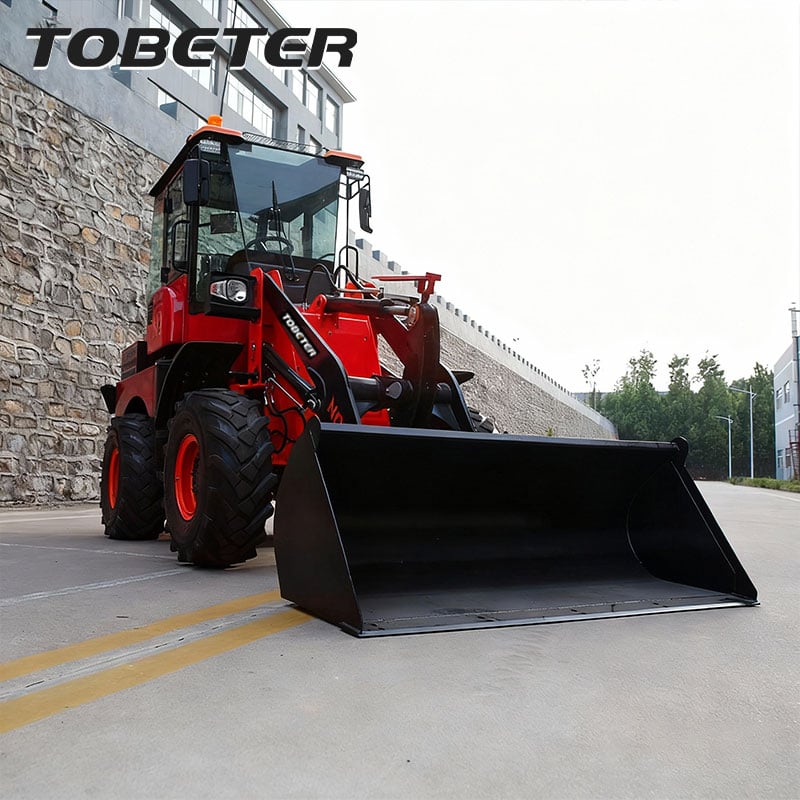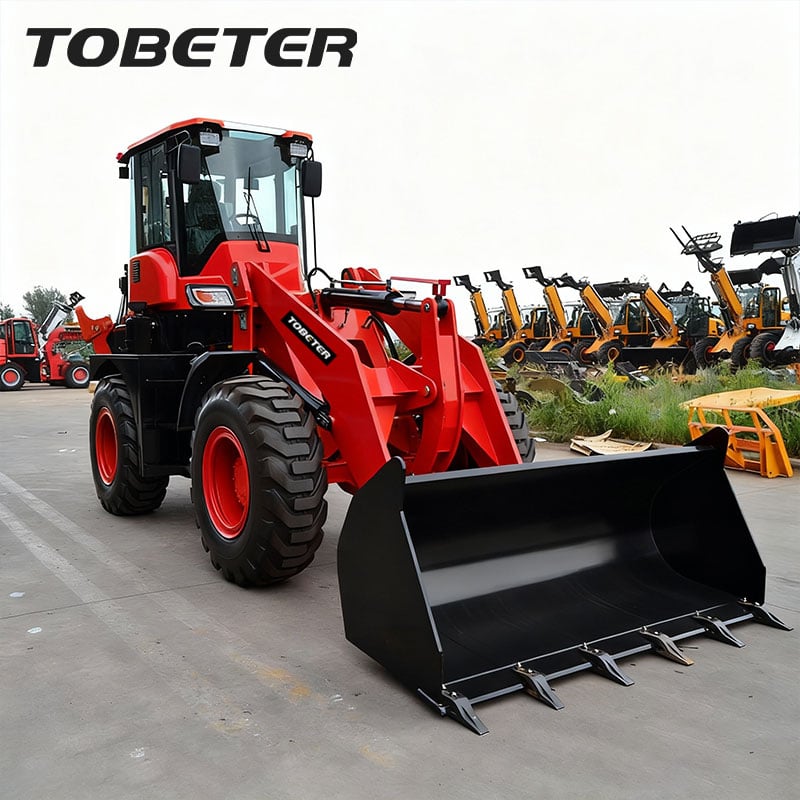
Backhoe Loader: Dual-Function Construction Equipment [2024]

Overview of Backhoe Loader

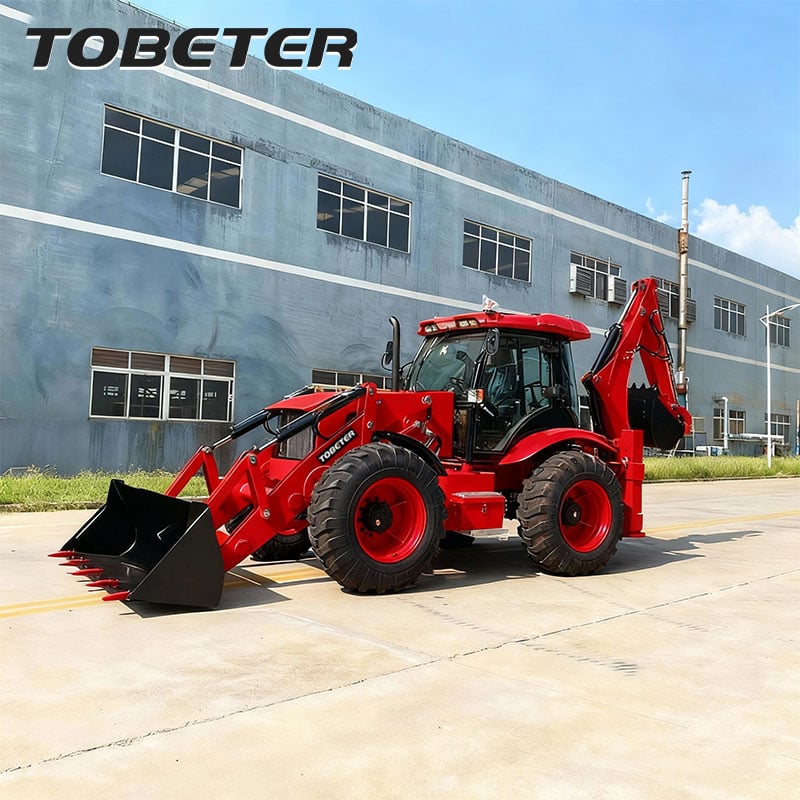
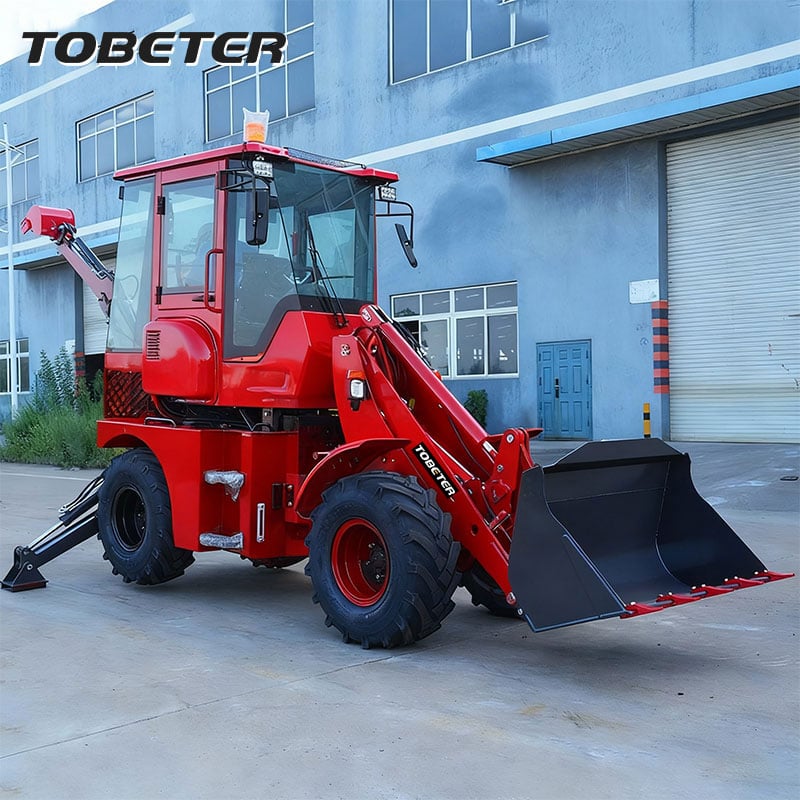
Our Backhoe loaders are versatile construction vehicles; they have a front-mounted bucket loader, which can pick up, move and deposit material, and a rear-mounted excavator arm, or digging arm (commonly called the "backhoe"), that is used for digging and excavating. These two pieces of equipment are housed together in an articulated or rigid chassis that has four-wheel drive. Backhoe loaders offer several advantages over traditional excavation methods, including their small size, ability to perform multiple functions, and ability to maneuver easily in tight spaces. Because of these advantages, backhoe loaders are frequently used for utility work, small excavation projects, landscaping, and construction in Urban areas.
Get A Quote

Backhoe Loader

The backhoe loader is a versatile piece of machinery known for its use in civil engineering and utility projects, as it can perform a variety of functions in a limited workspace area. The machine has a front-end loader that has either a bucket or pallet forks for backfilling and light grading, and can perform many different material handling functions. The backhoe arm located at the rear can dig up to 10-16 feet (3-5 meters) deep.

Backhoe loaders allow the user to dig trenches for utility lines, footings, and drainage systems. Backhoe loaders have an all wheel drive chassis that includes oscillating rear axles or stabilizer outriggers, which give the operator maximum stability when performing deep digging and/or lifting operations on unstable ground. Many new backhoe loader models have load-sensing hydraulic capabilities, ergonomically designed cabs that reduce noise and vibration, and intuitive pilot controls for reducing operator fatigue during long work hours.
F&Q About Backhoe Loader

What’s the typical digging depth of a backhoe loader?

Typical Boom configuration determines the digging depth of most standard models, ranging between 3-5 meters (or 10–16 feet) deep. Long-reach excavators can sometimes allow for digging down deeper than six (or more than 20 feet) meters for utility and drainage projects.
A Backhoe Loader is generally a good alternative for smaller Utility projects or modest jobs. However, if there will be extensive excavation, demolition or high-volume trenching, a dedicated Excavator is recommended to provide the best performance in terms of reach, power, and efficiency compared to a Backhoe Loader.
Typical lift capacity for a loader's front loader is between 1,500 – 3,500 kg (3,300 – 7,700 lbs). A Backhoe Loader's lifting capacity at maximum boom extension will be less than the front loader, generally between 800 – 1,500 kg (or 1,800 – 3,300 lbs). Loading capacity charts should always be referenced to determine proper load size when operating Backhoe Loaders.
Yes, many manufacturers now produce fully Electric Backhoe Loaders with zero emissions, quiet operation and reduced maintenance costs; this makes them an excellent choice for urban, indoor or other environmentally noise-sensitive job sites. They provide productivity that is comparable to traditional diesel engines of similar size.

Advantages of Backhoe Loader

Dual Functionality

It is able to do the loading job of a front, end loader and the digging power of an excavator at the same time, which obviously means fewer machines on the site.

Compact & Agile

Since its operating weight is usually below 8 tons and it has a small turning radius, it is perfect for working in the city's crowded areas, in residential sites, and on narrow access roads.

Attachment Versatility

Through quick, coupler systems on both the front and the rear, it can be equipped with a wide variety of tools, such as breakers, augers, grapples, and rippers.

Operator Efficiency

By cutting down on machine changeover, one operator can easily do the loading, digging, grading, and lifting tasks single, handedly, which is a big plus in small crews.

Get in touch

Name
Phone/WhatsApp
Email
Message
0/1000