EN
EN

Earthmoving has evolved dramatically over the past two decades. Traditional grading, excavation, and site preparation once depended heavily on operator skill, manual measurement, and repeated surveying. Today, modern earthmoving machines integrate advanced GPS positioning systems and automation technologies that enhance precision, efficiency, and safety.
From bulldozers and motor graders to excavators and wheel loaders, equipment manufacturers are embedding digital control systems into heavy machinery. These technologies allow contractors to complete projects faster, reduce material waste, and maintain tighter quality control standards.
Historically, earthmoving required constant manual grade checks, staking, and survey verification. Operators relied on visual references and experience to achieve target elevations. This process was time-consuming and prone to human error. The integration of satellite positioning, onboard computers, and sensor technology has changed this workflow. Machine control systems now provide real-time data about blade position, bucket depth, slope angle, and project design parameters.
Industry leaders such as Caterpillar, Komatsu, Volvo Construction Equipment, and John Deere have been at the forefront of integrating intelligent control systems into their earthmoving equipment. Emerging manufacturers like TOBETER are also incorporating GPS-ready platforms to support modern jobsite demands.
Understanding GPS Machine Control Systems
GPS machine control uses Global Positioning System satellites to determine the precise location of equipment on a jobsite. When combined with digital terrain models (DTMs), operators can see exact grade targets displayed directly in the cab.
Key components of a GPS machine control system include:
GNSS (Global Navigation Satellite System) antennas
Onboard control display
Inertial measurement sensors
Hydraulic control interfaces
Design file integration software
These systems compare the machine’s real-time position with the project’s digital design plan. Operators receive visual guidance that shows cut-and-fill requirements without needing physical grade stakes. The result is improved grading accuracy and reduced rework.
Automation builds upon GPS guidance by directly controlling hydraulic functions. Instead of simply providing visual guidance, automated systems adjust blade or bucket movement to maintain design grade automatically.
For example:
A bulldozer can automatically maintain a consistent slope.
A motor grader can follow complex road profiles with minimal manual adjustment.
An excavator can limit digging depth to prevent over-excavation.
Automated grade control reduces operator fatigue and increases consistency. Even less experienced operators can achieve high levels of accuracy when automation systems assist hydraulic movements.
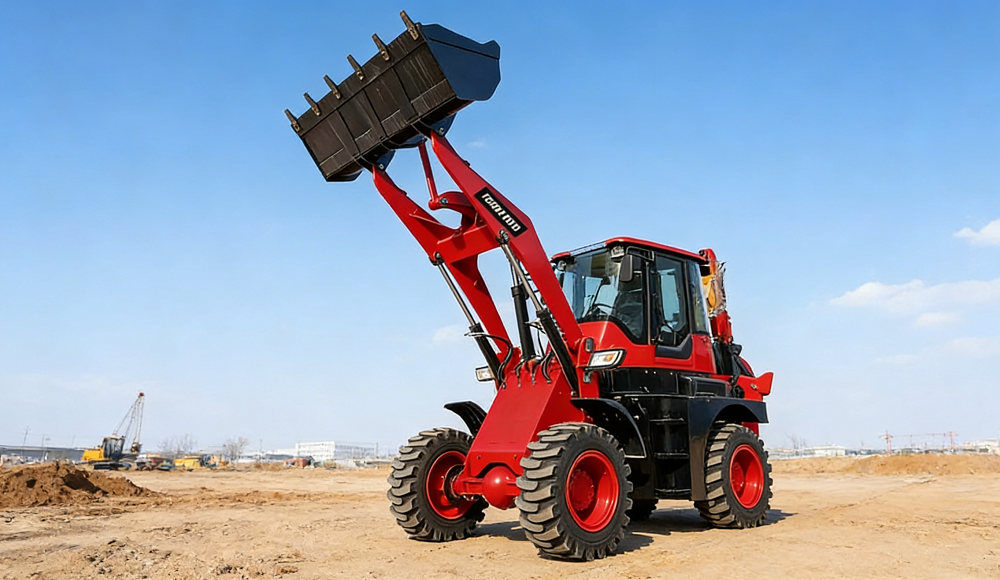
GPS and automation technologies significantly increase productivity on earthmoving projects.
Traditional staking and grade checking require survey crews to constantly measure elevations. With GPS-integrated systems, operators work directly from digital design models, reducing reliance on physical stakes.
Because grade accuracy improves, machines require fewer corrective passes. This saves fuel, reduces machine hours, and accelerates project completion.
Over-excavation or incorrect grading leads to expensive rework. Automated control minimizes these errors, preserving both time and materials.
Manufacturers such as TOBETER are incorporating efficient hydraulic systems compatible with digital control upgrades, helping contractors modernize their fleets cost-effectively.
Automation reduces unnecessary machine movements. Fewer grading passes mean less engine runtime and lower fuel consumption.
Cost savings also result from:
Reduced material waste
Lower labor requirements
Minimized equipment wear
Shorter project timelines
Over time, these operational efficiencies offset the initial investment in GPS and automation technology.
Modern earthmoving machines generate large volumes of operational data. Telematics systems track:
Machine hours
Fuel consumption
Idle time
Maintenance intervals
Location tracking
Fleet managers can analyze this data to optimize performance and schedule preventative maintenance. Integration between GPS machine control and fleet management software enables real-time project monitoring. Managers can assess progress remotely and make informed decisions to maintain efficiency.
Automation in earthmoving machines ranges from basic guidance systems to semi-autonomous and fully autonomous functionality.
Systems provide visual guidance but rely on manual hydraulic control.
Hydraulic adjustments are automatically managed for grade and slope consistency, while operators oversee movement and positioning.
In certain controlled environments such as mining, fully autonomous earthmoving equipment operates with minimal human intervention.
Companies like Komatsu have developed autonomous haulage systems for mining operations, demonstrating the future potential of automation in heavy equipment.
Modern construction projects are increasingly designed using Building Information Modeling (BIM) and 3D terrain software. GPS-enabled earthmoving machines can import these digital models directly into onboard systems.
Benefits include:
Accurate replication of design specifications
Seamless updates when plans change
Improved collaboration between engineers and operators
Digital integration ensures alignment between planning and execution phases.
The shift toward automation requires operators to develop new technical competencies. Instead of relying solely on manual control skills, operators must understand digital interfaces, design models, and system calibration.
Training programs now include instruction on:
GPS calibration
Software updates
System diagnostics
Digital file management
Equipment manufacturers provide support and training resources to ensure smooth adoption of intelligent systems. TOBETER recognizes the importance of user-friendly interface design to simplify the learning curve for operators transitioning to automated platforms.
While GPS and automation offer clear benefits, certain challenges remain:
Initial investment costs
Signal interference in dense urban areas
Requirement for system calibration
Dependence on accurate digital design files
However, ongoing technological improvements continue addressing these limitations, making automated systems more reliable and accessible.
Emerging trends indicate continued advancement in machine intelligence. Artificial intelligence and machine learning algorithms may further optimize earthmoving efficiency by analyzing terrain patterns and predicting optimal operating strategies.
Electric and hybrid power systems may integrate with automation platforms to further enhance sustainability. As automation becomes more widespread, equipment manufacturers—including TOBETER—are expected to expand GPS-ready and automation-compatible models to meet global construction demands.
Modern earthmoving machines equipped with GPS and automation technologies represent a significant advancement in construction efficiency and precision. By combining satellite positioning, digital design integration, and hydraulic automation, these systems reduce errors, improve safety, and enhance productivity.
From reduced surveying requirements to improved fuel efficiency and jobsite safety, the benefits are substantial. As technology continues evolving, intelligent earthmoving equipment will become standard across construction and infrastructure projects. For contractors seeking competitive advantage, investing in GPS-enabled and automation-ready machinery—whether from established global manufacturers or forward-thinking brands like TOBETER—offers a strategic path toward operational excellence in modern earthmoving.