EN
EN

A loader backhoe is one of the most versatile and valuable machines on construction sites, road projects, landscaping jobs, and utility work. Because these machines often operate in demanding environments, regular preventive maintenance is essential for maximizing performance, reducing downtime, and extending equipment life. For contractors and fleet managers, a well-planned loader backhoe preventive maintenance schedule can significantly lower repair costs and improve jobsite productivity.
Tobeter understand the importance of keeping construction equipment operating efficiently. This guide explains the key maintenance tasks operators and service teams should follow to keep loader backhoes in excellent condition.
Preventive maintenance helps identify small issues before they become major failures. Loader backhoes contain complex hydraulic, engine, transmission, and electrical systems that work continuously under heavy loads. Without regular inspection and servicing, wear and tear can quickly lead to breakdowns.
Benefits of preventive maintenance include:
Reduced unexpected downtime
Lower repair and replacement costs
Improved fuel efficiency
Extended machine lifespan
Better safety for operators
Higher resale value
A proactive maintenance strategy also helps construction companies maintain project schedules and avoid costly delays.
Daily inspections are the foundation of any preventive maintenance schedule. Operators should complete a walk-around inspection before starting work each day.
Inspect and refill all essential fluids, including:
Engine oil
Hydraulic fluid
Coolant
Transmission fluid
Brake fluid
Fuel and DEF (if applicable)
Low fluid levels may indicate leaks or system problems that require immediate attention.
Check tire pressure, tread wear, and sidewall damage. Uneven tire wear may suggest alignment or suspension issues. Loose wheel nuts should also be tightened to manufacturer specifications.
Hydraulic systems are critical for loader and backhoe operation. Inspect hoses, fittings, cylinders, and seals for leaks, cracks, or abrasion. Damaged hydraulic components can reduce machine performance and create safety hazards.
Dust and debris can clog air intake systems and cooling components. Clean radiator fins and inspect engine air filters regularly to prevent overheating and maintain engine efficiency.
Ensure all lights, alarms, mirrors, cameras, seat belts, and backup warning systems are functioning properly. Safe operation should always be a top priority.
In addition to daily inspections, weekly maintenance should include deeper system checks and lubrication procedures.
Loader backhoes contain numerous moving joints and pins that require proper lubrication. Apply grease to:
Loader arm pivots
Bucket pins
Swing frame joints
Stabilizer pivots
Steering components
Proper lubrication reduces friction and minimizes premature wear.
Check battery terminals for corrosion and ensure cables are securely connected. Weak batteries can lead to starting problems and electrical failures.
Inspect engine belts for cracking, glazing, or looseness. Worn belts can affect alternator performance, cooling systems, and hydraulic pumps.
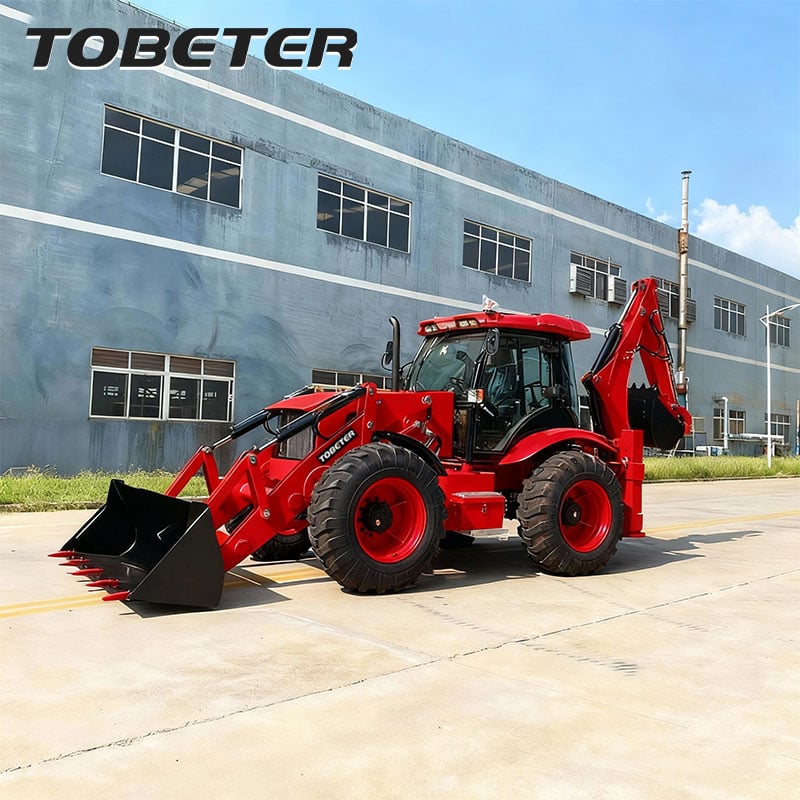
Monthly service intervals typically involve more detailed inspections and component replacements.
Engine oil degrades over time due to heat and contamination. Replacing oil and filters at recommended intervals helps protect internal engine components and maintain performance.
Examine brake pads, lines, and hydraulic systems for wear or leaks. Proper braking performance is critical for operator safety and machine control.
Contaminated hydraulic fluid can damage pumps, valves, and cylinders. Inspect fluid condition and replace filters as necessary.
Look for structural cracks, loose bolts, or signs of metal fatigue. Construction equipment often experiences vibration and heavy impact loads that can weaken structural components over time.
Weather conditions can significantly affect loader backhoe performance. Seasonal maintenance helps prepare machines for changing environments.
Before winter operations:
Test battery performance
Use winter-grade fuel if necessary
Check antifreeze concentration
Inspect heaters and defrosters
Warm up hydraulic systems before operation
Cold temperatures can thicken fluids and reduce hydraulic responsiveness.
During summer operations:
Inspect cooling systems carefully
Clean radiators more frequently
Monitor hydraulic temperatures
Check air conditioning systems for operator comfort
Excessive heat can accelerate component wear and increase the risk of overheating.
Even the best maintenance schedule cannot prevent damage caused by improper operation. Training operators on correct machine usage is equally important.
Operators should understand:
Proper startup and shutdown procedures
Safe loading limits
Correct digging techniques
Warning indicators and fault codes
Daily inspection responsibilities
Skilled operators can often detect unusual sounds, vibrations, or performance changes before serious failures occur.
A loader backhoe preventive maintenance schedule is not simply a routine checklist—it is a critical investment in equipment reliability, safety, and productivity. Daily inspections, scheduled servicing, and proper operator training all contribute to reducing downtime and extending machine life.
Construction companies that prioritize preventive maintenance can improve operational efficiency while lowering long-term ownership costs. By following a consistent maintenance program, businesses can keep loader backhoes operating at peak performance for years to come.