Big Wheel Loader: 4 High-Performance Models for Heavy-Duty Tasks

Overview of Big Wheel Loader

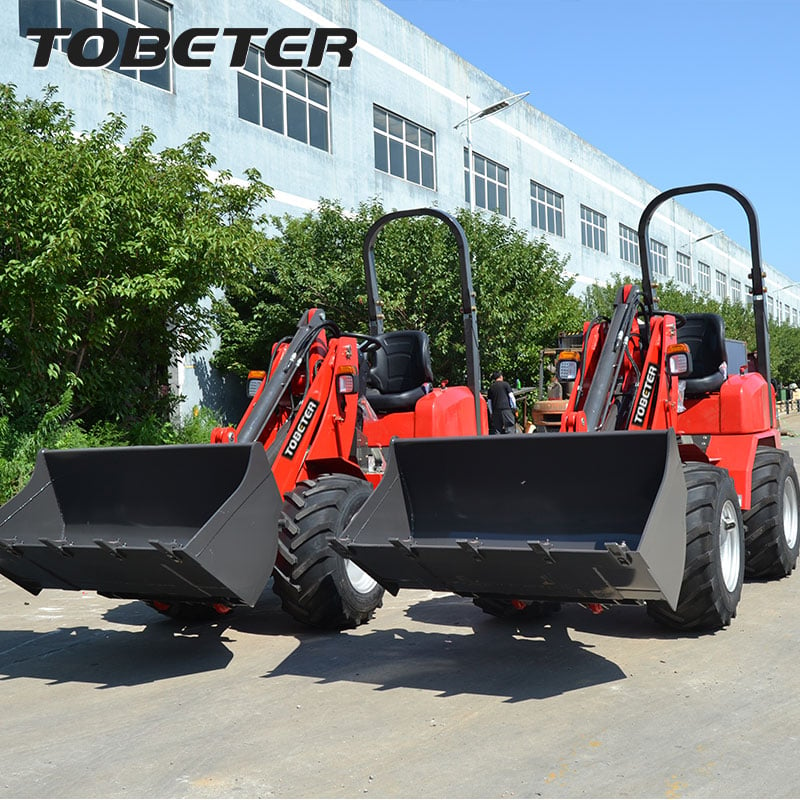
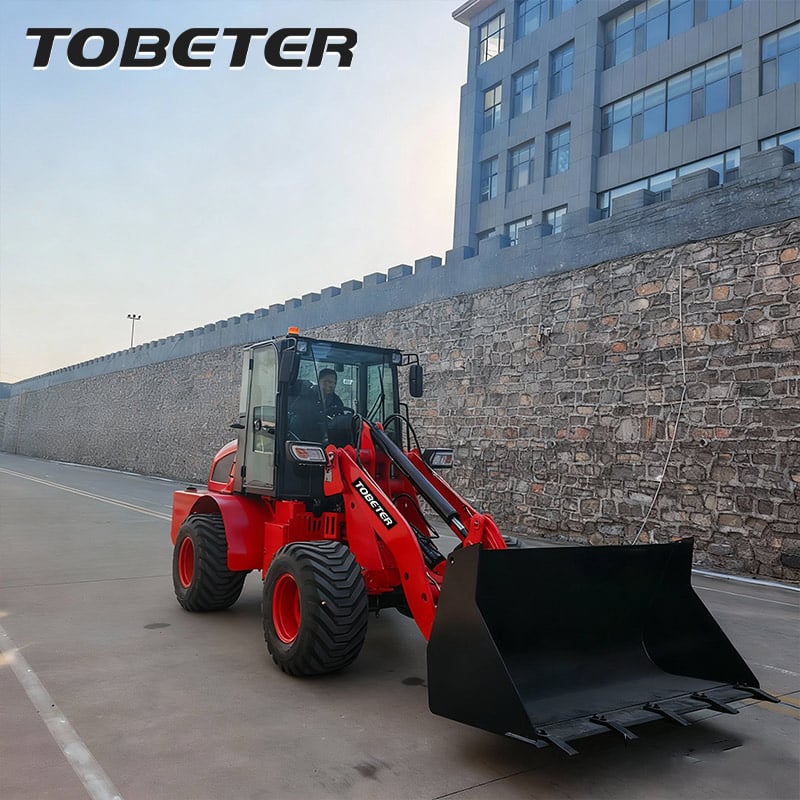
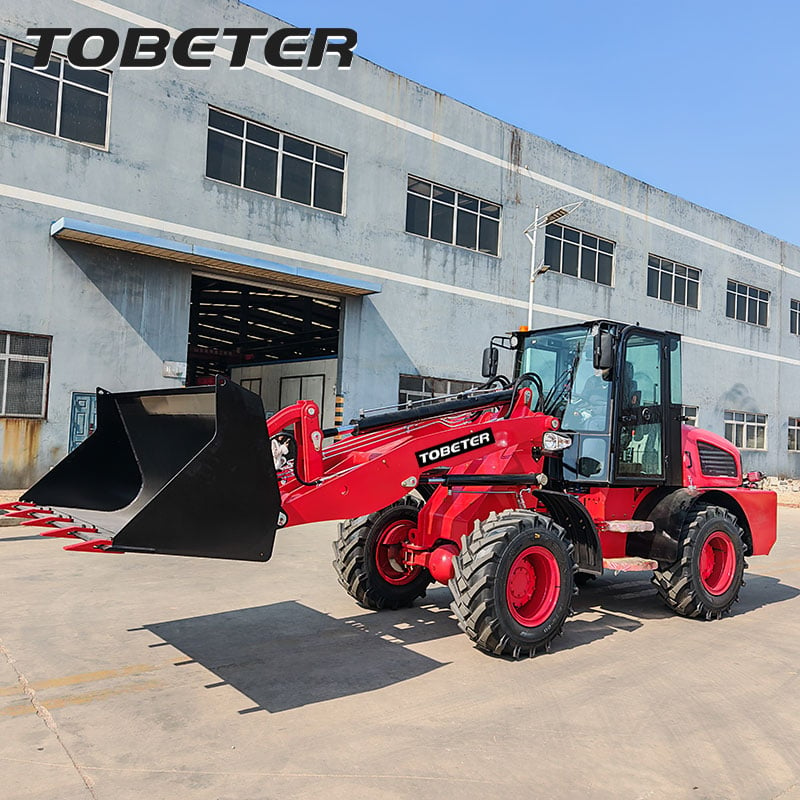
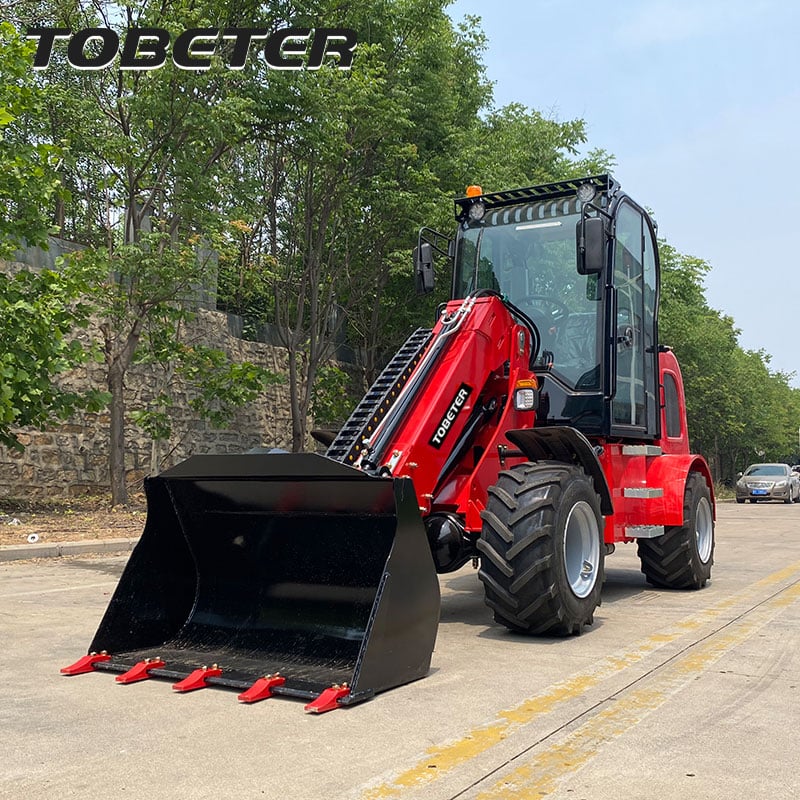
Large Wheel Loaders are multi-functional heavy machines used in many industries including the Construction Industry, Mining Industry and Agriculture Industry for loading, moving materials and earth moving. The large wheel loaders are all built on a strong chassis with very large tires, giving these machines the stability needed to lift materials from the ground. They use a hydrostatic drive system, have precision control, and use energy efficiently. The extra large operator cabs give the operator a good view of the work area and can be easily maintained in an efficient manner. By using this kind of machine you will increase productivity and decrease time spent on tasks that need to be completed in tight areas of cities and other types of difficult working locations.
Get A Quote

Big Wheel Loader

Built for the material handling industry, large wheel loaders are dependable machines with durable components as well as high-performing hydraulic systems—providing operators with increased uptime and productivity. Their high-capacity buckets, reinforced linkage systems, and optimized hydrostatic systems provide operators with fast cycle times and robust breakout forces to TLV load loose materials (i.e., dirt/soil, gravel, aggregate). The intelligent application of telematics—an electrical system that includes load-sensing hydraulic systems, engine diagnostics/monitoring, and fuel efficiency—enables operators to assist with remote diagnostics/scheduling, reduce downtime, and perform preventative maintenance. The operator cab provides a spacious environment, low-effort controls, ergonomic seats, climate control, and extensive visibility through large 360° and camera views, thus minimizing fatigue during long hours of operation. Large wheel loaders are designed to be adaptive by utilizing versatile tires, protective guards, and quick connects for use with quarry/road construction, mining, and urban applications. Safety considerations include ROPS/FOPS testing results, compliant lights, audible alarms, and a wide array of additional safety-related features, which help to ensure a safe work environment. To ensure these loaders have long-term reliability, serviceability, and ultimately increased productivity under high load and extreme working conditions, they are built with modular maintenance access.

F&Q About Big Wheel Loader

What bucket size is typical for a big wheel loader?

Traditionally, the bucket capacity of a large wheel loader will vary from 2.5 to 6.0 cubic yards depending upon the specific model and intended use. Operators will choose a bucket size based upon the density of the material being loaded, the height of the lift that is required and the number of cycles used in order to optimize efficiency and fuel consumption.
Everyday tasks that are involved in routine maintenance consist of the daily lubrication of the various types of pivots, inspecting fluids to ensure they are topped off, replacing filters at specified intervals, and inspecting tires and tracks for issues. Establishing a scheduled service plan coupled with telematics service alerts assists in reducing the likelihood of an unplanned failure by addressing wear before it becomes a problem, thus resulting in less downtime.
Large wheel loaders come equipped with cabs that meet ROPS/FOPS standards, as well as emergency stop functions, load-sensing hydraulic systems, traction control, rear-view cameras, and warning sounds. These capabilities help minimize risk to the operator, improve awareness of their surroundings ,and provide protection for workers in the loading, dumping, and maneuvering operations on congested job sites.
There are many pieces of equipment for mining and heavy construction that have been manufactured with reinforced frames, high breakout force, the ability to use either a tire or track setup, and a heavy duty drive train. These pieces of equipment will work well on rough surfaces, efficiently dig and load, and can be connected to fleet management systems.

Advantages of Big Wheel Loader

Exceptional Load Handling

Wheel loaders offer great lift stability and breakout force to allow for the fast transfer of materials; minimizing cycle times especially when utilizing large amounts of material in a dense pile. They also provide good traction when working on wet or loose ground and help ensure accurate load placement when operating on varying terrain types.

All-Weather Traction

Using oversized tires and optimized axles provides stability on all terrain for the operator to work safely and efficiently. The hydraulic drive system quickly responds to the input from the operator and provides controlled power to the wheels with less wheel slip. Therefore, this safe operation and higher productivity during an operator's working shift are possible.

Operator Comfort and Visibility

The design of the cab is based on operator comfort. This includes an ergonomic seat, intuitive controls, and climate assist for those long working days. To assist with all of the above, the cab features plenty of glass (large windows), angled mirrors, and a camera system that improves visibility and reduces blind spots; this will help operators work more comfortably with greater precision when loading, digging, or dumping.

Efficient Maintenance and Durability

With reinforced frames and enclaves, ease of access for maintenance is made easier than ever before which helps to decrease downtime from repairs. Routine lubrication, tool free attachment of hydraulic components and modular design has also increased the time between services. Durability of critical surfaces has also been improved through the application of protective coatings, even when subjected to dust or other objectionable materials from environmental sources.

Get in touch

Name
Phone/WhatsApp
Email
Message
0/1000