EN
EN

The engine is the heart of every wheel loader machine. It provides the power required for digging, lifting, hauling, and operating hydraulic systems on construction sites. Without proper maintenance, even the most advanced loader can suffer reduced efficiency, increased fuel consumption, and unexpected breakdowns. For contractors and equipment operators, maintaining the engine in good condition is essential to ensuring reliable performance and extending the machine’s lifespan.
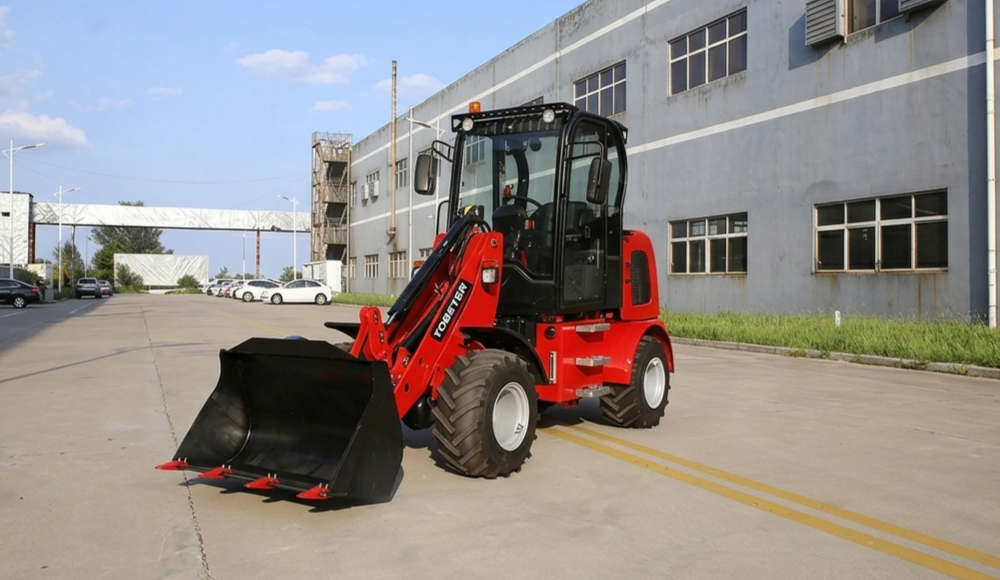
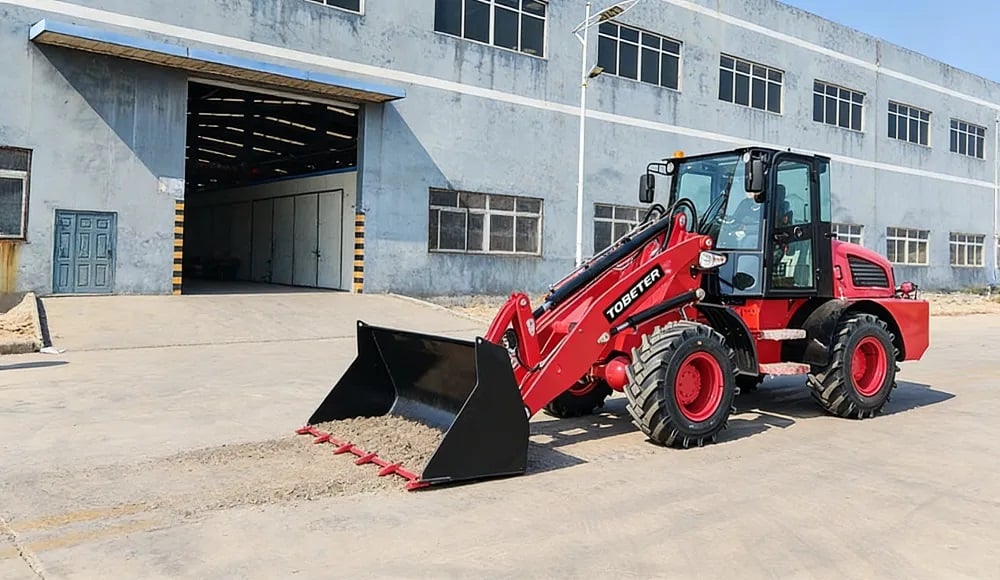
Regular engine maintenance not only prevents costly repairs but also improves productivity and safety. Whether operating large mining loaders or compact machines used in construction and landscaping, consistent care keeps equipment performing at its best. Manufacturers such as TOBETER design wheel loaders with durable engines and accessible maintenance points, making routine servicing easier for operators and technicians.
Wheel loader engines operate under demanding conditions. They often run for long hours in dusty environments while powering heavy loads and hydraulic systems. These conditions place significant stress on engine components such as pistons, fuel injectors, cooling systems, and air filters.
Neglecting maintenance can lead to reduced engine efficiency, overheating, or even catastrophic failure. Dust accumulation can restrict airflow, poor lubrication can increase friction, and contaminated fuel can damage injection systems. Regular maintenance ensures that the engine receives proper airflow, cooling, and lubrication. This not only protects internal components but also helps maintain optimal fuel combustion and power output.
Daily inspections are one of the simplest yet most effective ways to maintain a wheel loader engine. Before starting work, operators should conduct a visual inspection of key engine components. Checking engine oil levels ensures proper lubrication of moving parts. Low oil levels can lead to excessive friction and overheating. It is also important to inspect coolant levels to confirm the engine cooling system is functioning correctly.
Operators should also look for visible leaks around hoses, filters, and engine seals. Fuel leaks, oil drips, or coolant residue may indicate early signs of mechanical problems that should be addressed before operating the machine. Taking a few minutes each day to inspect the engine can prevent small issues from developing into major repairs.
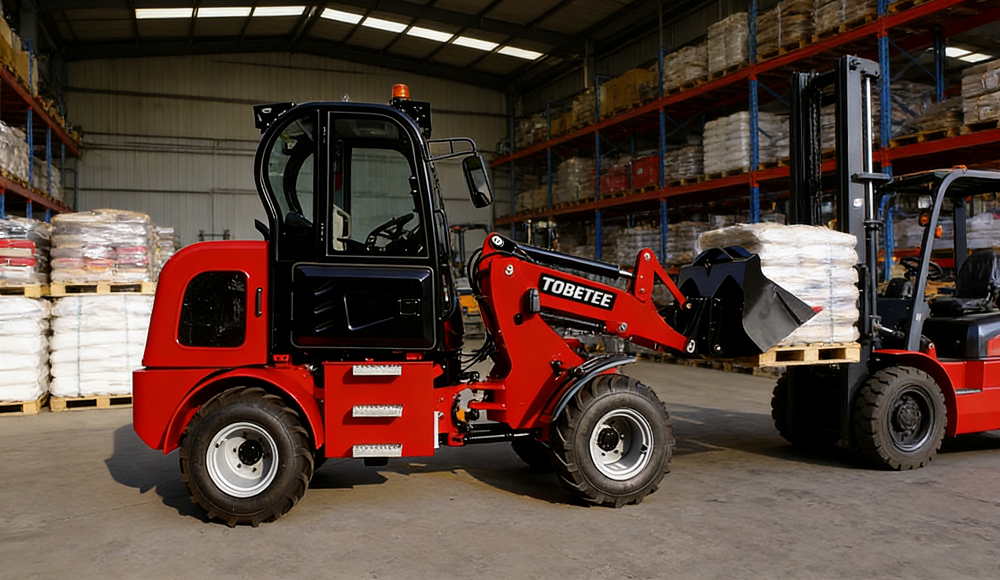
Engine oil plays a critical role in protecting internal components. It lubricates moving parts, reduces friction, and helps dissipate heat generated during operation. Over time, oil becomes contaminated with dust, metal particles, and combustion residues. If the oil is not replaced regularly, it can lose its lubricating properties and cause increased wear inside the engine.
Following the manufacturer’s recommended oil change intervals is essential. High-quality engine oil should always be used to ensure compatibility with the engine design. At the same time, oil filters should be replaced to prevent contaminants from circulating within the system. TOBETER wheel loaders are engineered with efficient lubrication systems that allow easy access to oil filters and service points, simplifying routine maintenance procedures.
Construction sites are typically dusty environments, and airborne particles can easily enter the engine if filtration systems are not properly maintained. Clean air is necessary for efficient combustion. The air filter prevents dust and debris from entering the engine’s intake system. However, when filters become clogged, airflow is restricted, causing the engine to work harder and consume more fuel.
Operators should regularly inspect air filters and clean or replace them according to the recommended service schedule. In extremely dusty environments, more frequent inspections may be necessary. Maintaining a clean air filtration system improves engine efficiency and protects internal components from abrasive damage.
Fuel quality has a direct impact on engine performance. Contaminated fuel can damage injectors, reduce combustion efficiency, and cause engine misfires. Fuel filters play an essential role in removing impurities before fuel reaches the engine. These filters should be replaced regularly to ensure proper fuel flow and protection of sensitive injection components.
Water contamination is another potential issue in diesel fuel systems. Water separators should be drained periodically to prevent corrosion or injector damage. Using high-quality diesel fuel and maintaining a clean fuel system ensures reliable engine performance and reduces long-term maintenance costs.
Wheel loader engines generate significant heat during operation. Without an efficient cooling system, engine temperatures can rise quickly, leading to overheating and potential damage. The cooling system typically includes a radiator, coolant reservoir, water pump, and cooling fans. Operators should regularly inspect these components to ensure they are functioning properly.
Radiators should be kept clean to maintain proper airflow. Dust and debris can block cooling fins, reducing heat dissipation. Periodically cleaning the radiator helps maintain optimal engine temperatures. Coolant levels should also be monitored regularly. Low coolant levels can reduce cooling efficiency and increase the risk of overheating during heavy-duty operation.
Engine performance depends not only on internal systems but also on supporting components such as belts and hoses. These parts connect critical systems including cooling fans, alternators, and pumps. Over time, belts may loosen or crack, and hoses may develop leaks due to heat and pressure. Regular inspection allows operators to identify worn components before they fail.
Electrical connections should also be checked to ensure sensors and monitoring systems function correctly. Modern wheel loaders often rely on electronic engine management systems that monitor performance and provide diagnostic information. Maintaining these supporting components helps ensure the engine operates smoothly and efficiently.
Preventive maintenance is essential for maximizing engine reliability. Manufacturers provide detailed service schedules that outline when components should be inspected, cleaned, or replaced. Following these schedules ensures that potential issues are detected early and corrected before they lead to major failures. Preventive maintenance also helps maintain warranty coverage and improves equipment resale value.
TOBETER designs wheel loader machines with service-friendly layouts, allowing technicians to perform routine maintenance efficiently and reduce machine downtime.
In addition to regular maintenance, proper operating practices help protect the engine from unnecessary stress. Operators should allow the engine to warm up before performing heavy-duty work. This ensures that oil circulates properly and components reach optimal operating temperature.
Avoiding sudden acceleration or excessive engine loads also helps reduce mechanical strain. During shutdown, allowing the engine to idle briefly helps stabilize internal temperatures before turning off the machine. Good operating habits contribute significantly to long-term engine durability.
Wheel loader engines operate in demanding environments where reliability and performance are critical to jobsite productivity. Proper maintenance is the key to ensuring these machines continue to deliver consistent power and efficiency. Daily inspections, regular oil changes, clean air filtration, fuel system care, and cooling system maintenance all play vital roles in protecting engine components. By following preventive maintenance schedules and practicing responsible operation, contractors can significantly extend the lifespan of their equipment.
Manufacturers like TOBETER design wheel loader machines with durability and serviceability in mind, helping operators maintain engine performance with minimal downtime. With proper care, a well-maintained wheel loader engine can deliver years of dependable service across construction, landscaping, and industrial projects.