EN
EN

In modern construction, efficiency depends on equipment capable of handling multiple material-moving tasks with speed and reliability. Among the most widely used machines on construction sites is the wheel loader. Known for its versatility, maneuverability, and lifting power, the construction wheel loader plays a central role in earthmoving, site preparation, and material handling operations.
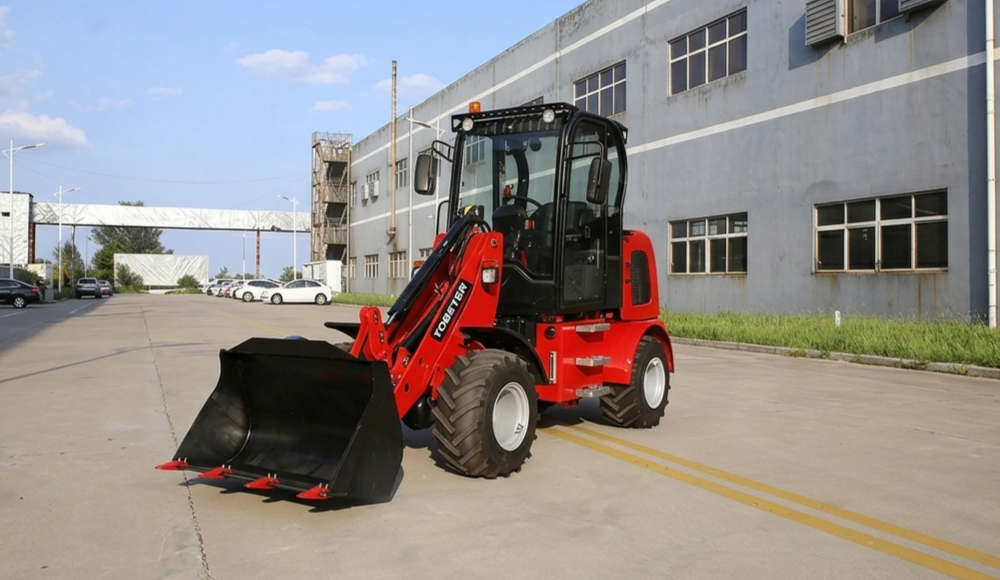
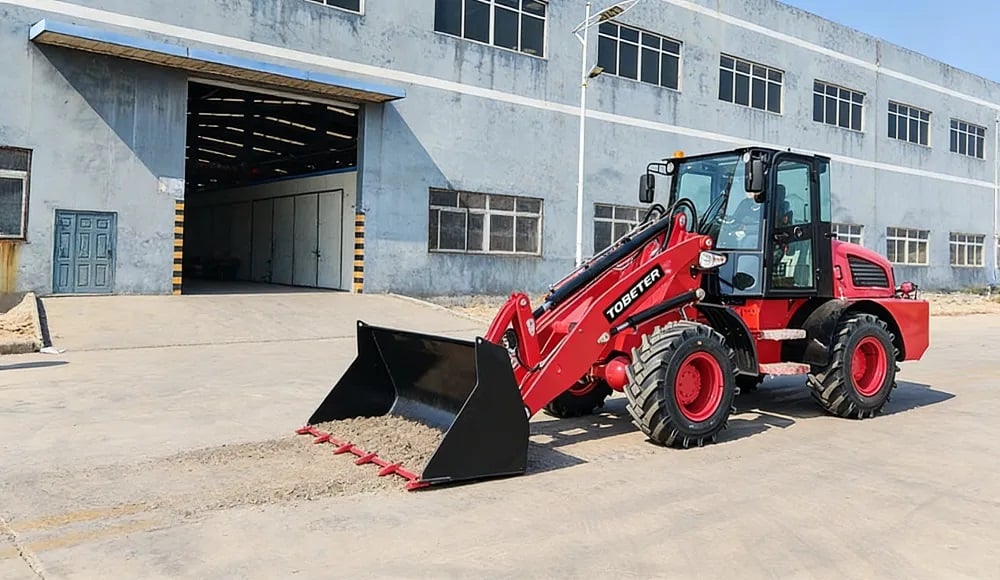
A construction wheel loader is a heavy-duty machine equipped with a large front-mounted bucket designed to scoop, lift, and transport loose materials such as soil, gravel, sand, demolition debris, and aggregates. It operates on four large pneumatic tires and features an articulated steering system, allowing the machine to pivot in the center for enhanced maneuverability.
The core components of a wheel loader include:
A powerful diesel engine
Hydraulic lift arms
A front bucket or attachment
An articulated frame
Operator cabin with control systems
Unlike tracked loaders, wheel loaders move quickly across paved or compacted surfaces without damaging the ground. This makes them particularly suitable for construction sites, urban projects, and industrial facilities where mobility is critical.
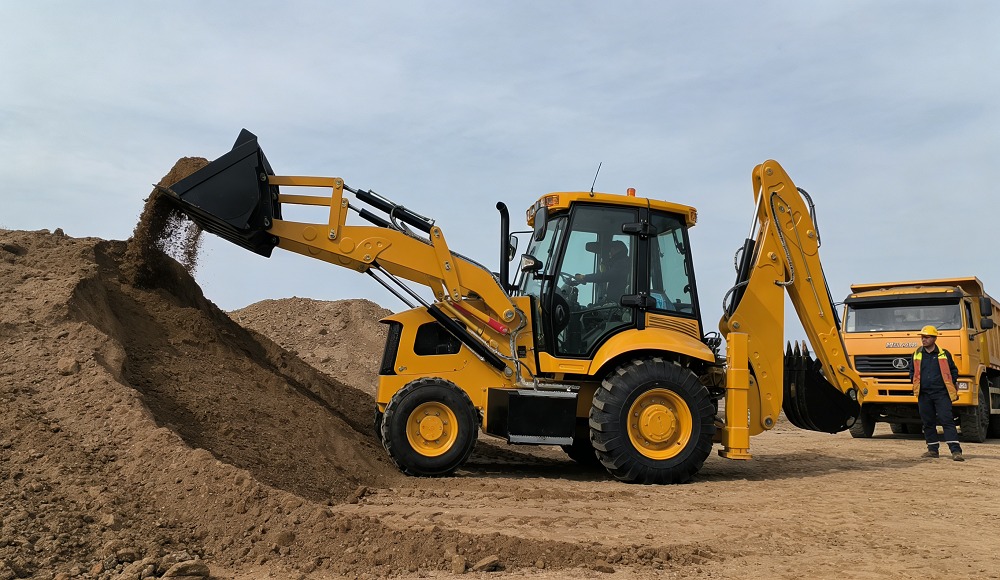
The machine functions through a hydraulic system that powers the lift arms and bucket. The operator drives the loader into a material pile, lowers the bucket, and uses forward motion combined with hydraulic force to fill it. The loader then lifts the bucket, transports the material, and discharges it at a designated location.
Hydraulic breakout force determines how effectively the loader can penetrate dense material, while lift capacity defines how much weight it can safely raise. Modern wheel loaders integrate advanced control systems to optimize fuel efficiency, stability, and load management.
Wheel loaders are available in various sizes and configurations to suit different operational requirements.
Compact models are designed for confined job sites and urban construction projects. They offer excellent maneuverability and lower fuel consumption. These machines are commonly used for landscaping, small-scale construction, snow removal, and light material handling. Despite their smaller size, compact wheel loaders maintain strong lifting capabilities and can support a wide range of attachments.
These models are widely used in general construction and municipal projects. They balance power and mobility, making them suitable for loading trucks, moving aggregates, and preparing job sites. Their versatility makes them popular among contractors who require a reliable, multi-purpose machine without the scale of heavy mining equipment.
Large wheel loaders are designed for quarrying, mining, and high-volume material handling. With significantly higher horsepower and bucket capacity, these machines can load heavy dump trucks in fewer passes, improving productivity. They are built with reinforced frames and heavy-duty hydraulic systems to withstand continuous high-load operations.
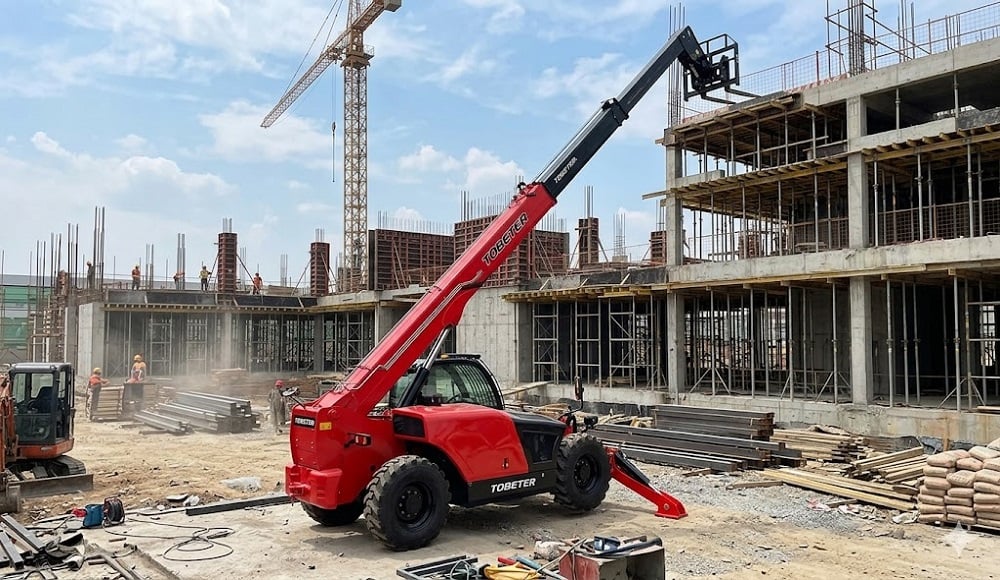
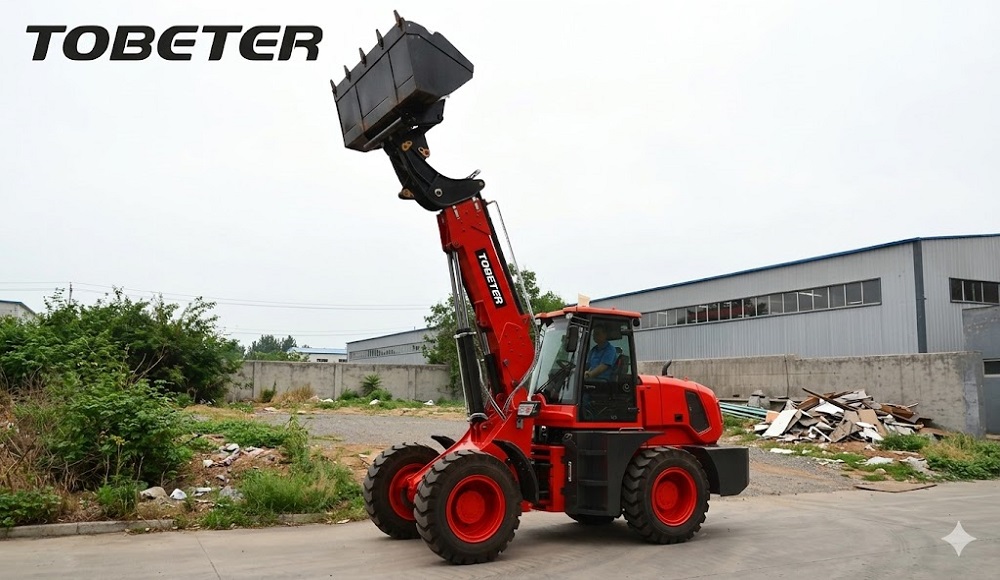
Wheel loaders are essential across multiple industries due to their adaptability. In road construction, they transport gravel, asphalt, and soil during site preparation. In building construction, they move foundation materials and clear debris. In quarry operations, they load extracted stone into haul trucks. Agricultural operations rely on them for handling feed, fertilizer, and bulk materials. Because wheel loaders can accommodate attachments such as forks, grapples, and snowplows, they extend beyond simple loading tasks. This adaptability increases equipment utilization rates and enhances return on investment.
One of the most significant advantages of a wheel loader is its ability to perform multiple tasks. By simply changing attachments, the same machine can switch from material loading to pallet handling or debris removal. This flexibility reduces the need for multiple specialized machines on site.
Unlike tracked equipment, wheel loaders travel at higher speeds and are suitable for paved or finished surfaces. Their rubber tires reduce surface damage, making them ideal for urban construction projects. This mobility improves workflow efficiency, particularly on large sites where material must be transported over distance.
Modern wheel loaders are engineered with optimized engine management systems to reduce fuel consumption. Efficient hydraulic systems further enhance performance without excessive energy loss. Lower fuel usage directly impacts operating costs, particularly for contractors managing long-term projects.
Advanced cabin design improves visibility and reduces vibration. Many models incorporate ROPS/FOPS-certified cabins, ergonomic controls, and climate systems to maintain operator comfort during extended shifts. Enhanced visibility and stability systems contribute to safer jobsite operations.
Today’s wheel loaders integrate digital monitoring systems that track payload weight, fuel consumption, and maintenance intervals. Telematics solutions allow fleet managers to monitor performance remotely and optimize equipment deployment.
Load-sensing hydraulics automatically adjust flow based on demand, improving efficiency. Some high-capacity models are even being developed with hybrid or alternative power systems to reduce emissions. Automation features, such as auto-dig and auto-leveling functions, enhance productivity and reduce operator fatigue.
Selecting the appropriate wheel loader depends on several factors: jobsite size, material density, required lift height, and daily production targets. Contractors must consider bucket capacity, engine horsepower, hydraulic performance, and total cost of ownership. Over-sizing equipment can increase fuel costs unnecessarily, while under-sizing can reduce productivity. Therefore, matching machine capacity to operational requirements is essential.
TOBETER construction wheel loader is one of the most versatile and indispensable machines in modern construction and material handling. Designed for loading, transporting, and lifting bulk materials, it combines power, maneuverability, and adaptability in a single platform. Available in compact, medium, and large configurations, wheel loaders serve industries ranging from urban construction to large-scale mining. Their operational flexibility, mobility, and fuel efficiency make them a strategic asset for contractors seeking reliable performance and cost control. As technology continues to advance, wheel loaders will become even more intelligent, efficient, and environmentally responsible—ensuring their continued relevance in the evolving construction landscape.