EN
EN

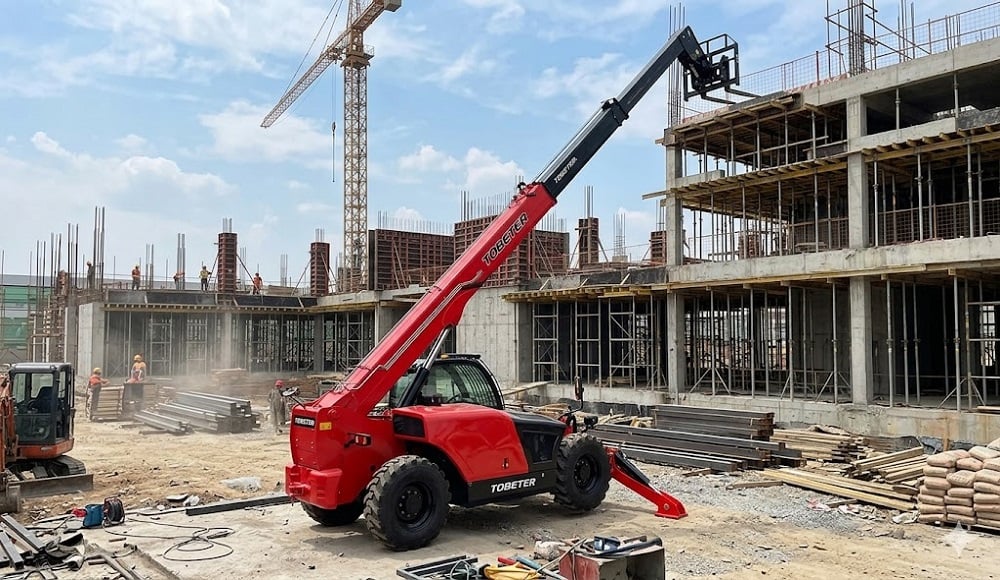
Telehandlers (Telescopic Handlers) are multi-functional equipment that can lift materials in the fields of construction, agriculture, warehousing, and industry. Unlike traditional forklifts, the boom on telehandlers can extend (Telescopic Boom Extending Outward) giving operators the ability to lift loads further away from the base of the machine.
To operate a telehandler as a new operator, more than just the controls need to be learned. Operators need to learn about the principles of stability, load dynamics (How a Load Affects the Machine's Center of Gravity), terrains (Variations in the Land), and Safety. This is an introductory guide to operating a telehandler fork lift. This should help new operators gain a basic understanding of the telehandler forklift as well as practical application of the new skills.
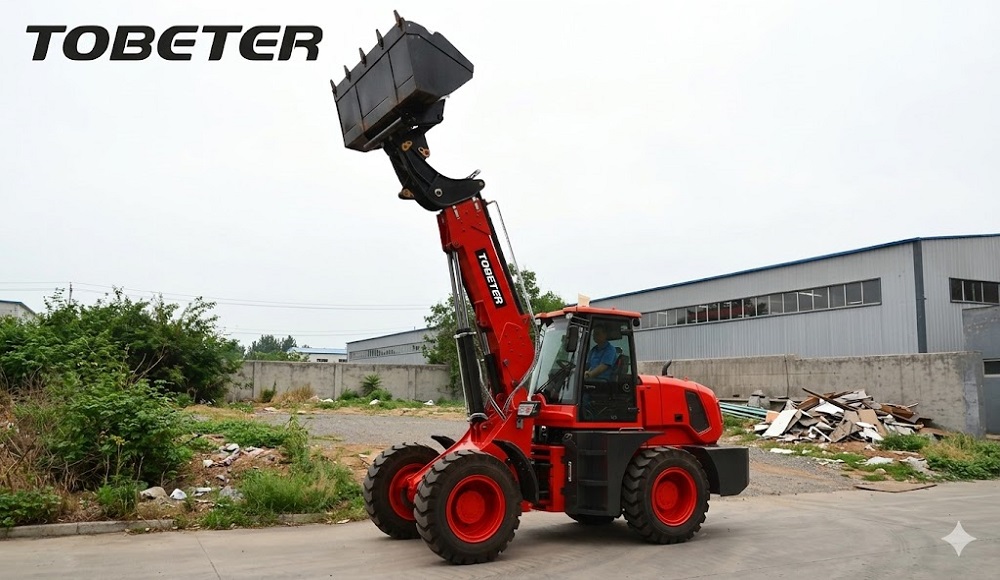
A telehandler is a powered industrial vehicle equipped with a telescopic boom that can accommodate various attachments such as forks, buckets, lifting hooks, and work platforms. While it resembles a forklift, its extendable boom makes it more similar to a small crane in function. Major manufacturers such as Caterpillar, JCB, Manitou, and TOBETER produce telehandlers for various industries.
Telehandlers are commonly used for:
Lifting palletized materials
Placing loads on elevated structures
Transporting heavy supplies across uneven terrain
Supporting masonry and framing work
Agricultural feed handling
Their versatility makes them indispensable on dynamic job sites.
Understanding machine components is fundamental for safe operation.
Telescopic Boom
The boom extends hydraulically, increasing reach and lifting height. Extension changes the machine’s center of gravity, directly affecting stability.
Fork Carriage or Attachment Mount
This holds forks or alternative attachments. Attachment compatibility must match manufacturer specifications.
Cab and Controls
The operator’s cabin includes steering controls, boom extension levers or joysticks, load indicators, and safety alarms.
Chassis and Axles
Telehandlers are typically equipped with large tires and robust axles designed for rough terrain operation.
Stabilizers (on some models)
Certain telehandlers include outriggers to enhance stability when lifting heavy loads at height.
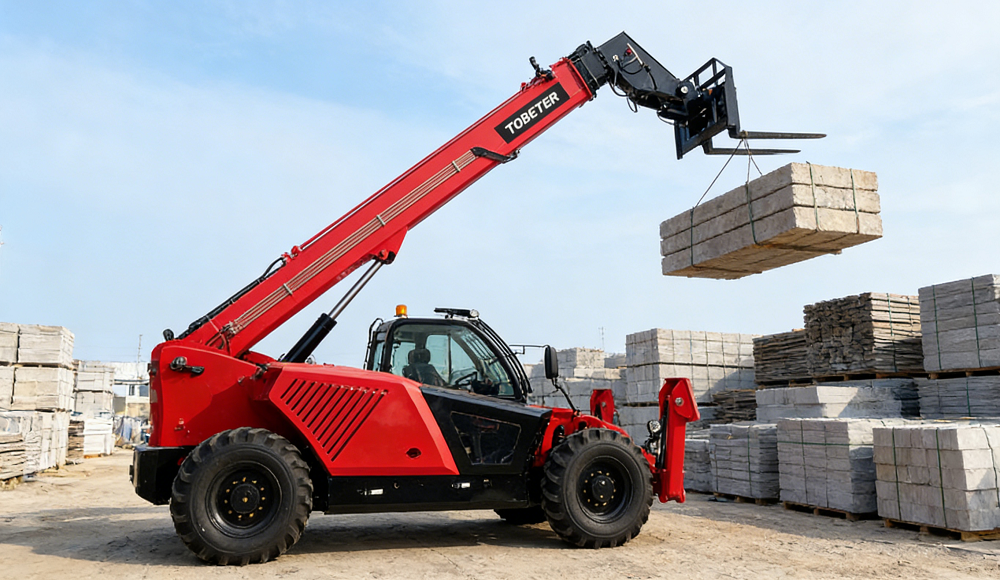
Unlike warehouse forklifts, telehandlers operate on variable terrain and frequently lift loads forward at extended reach. As the boom extends, the center of gravity shifts outward, increasing tipping risk.
Every telehandler has a load chart that specifies safe lifting capacities at different boom angles and extensions. Beginners must learn to read and interpret these charts accurately.
Never exceed rated capacity. Doing so compromises machine stability and increases rollover risk.
Before operating a telehandler, conduct a thorough inspection:
Check hydraulic hoses for leaks
Inspect tires for damage and proper inflation
Verify fluid levels (engine oil, coolant, hydraulic fluid)
Test steering, brakes, and horn
Confirm proper attachment locking
Review load chart in cabin
Mechanical issues in lifting equipment can escalate quickly under load. Inspection reduces accident risk and equipment damage.
After mounting the cab using three-point contact:
Adjust seat and mirrors
Fasten seatbelt
Start engine and allow warm-up
Test boom functions without load
When positioning the telehandler:
Approach load squarely
Keep forks low while traveling
Ensure ground is level and stable
Avoid side-loading the forks, as telehandlers are designed primarily for forward load handling.
Proper lifting technique is essential for safe telehandler operation.
Step 1: Engage the Load
Insert forks fully beneath the pallet. Center the load to distribute weight evenly.
Step 2: Lift Slightly Before Moving
Raise the load just enough to clear the ground. Avoid excessive lift during travel.
Step 3: Keep Boom Retracted While Traveling
Travel with the boom as low and retracted as possible to maintain stability.
Step 4: Extend Only When Stationary
Extend the boom gradually once positioned near the placement point.
Step 5: Lower Load Smoothly
Avoid abrupt lowering or jerky controls.
Maintaining smooth hydraulic movements improves safety and prolongs machine lifespan.
Telehandlers often feature multiple steering modes:
Two-Wheel Steering
Used for road travel.
Four-Wheel Steering
Provides tighter turning radius for confined job sites.
Crab Steering
All wheels turn in the same direction, allowing diagonal movement. Beginners should practice each mode in open areas before operating in confined spaces.
Telehandlers are commonly used outdoors on uneven surfaces. However, caution is necessary.
Avoid steep slopes whenever possible
Travel straight up or down slopes, not diagonally
Reduce speed on loose gravel or mud
Keep loads low when navigating rough ground
Excessive boom extension on uneven terrain significantly increases rollover risk.
When placing loads at elevated positions:
Ensure stable, level ground
Confirm load weight matches load chart rating at intended height
Avoid sudden movements
Use a spotter when visibility is limited
Never allow personnel beneath suspended loads. Some telehandlers can be fitted with work platforms, but this requires specific safety approvals and fall protection compliance.
Telehandlers are multi-purpose machines, but attachments alter load characteristics.
Common attachments include:
Buckets
Truss booms
Lifting hooks
Work platforms
Each attachment changes weight distribution and load center distance. Operators must consult updated load charts corresponding to installed attachments. Using unauthorized attachments increases structural stress and accident risk.
Telehandler accidents typically result from tipping, load drops, or operator error. Beginners should adhere to core safety protocols.
Always wear a seatbelt
Never overload the machine
Keep bystanders at a safe distance
Avoid sudden braking or acceleration
Do not lift personnel unless approved platform is installed
Maintain clear visibility at all times
Training and certification are strongly recommended before independent operation.
Load charts are technical documents showing safe lifting capacity based on boom angle and extension. Beginners must learn to interpret them precisely.
The chart typically includes:
Maximum lift capacity
Lift height
Forward reach
Outrigger deployment requirements
Ignoring load chart limitations is one of the leading causes of telehandler instability incidents.
While maintenance is often handled by technicians, operators should understand routine care.
Daily checks reduce downtime and prevent mechanical failure. Pay attention to:
Hydraulic response
Unusual vibrations
Warning lights
Steering resistance
Proper lubrication and track or tire care extend machine longevity.
New operators frequently:
Travel with boom extended
Turn sharply while carrying elevated loads
Ignore ground conditions
Misinterpret load charts
Overestimate lifting capacity
Supervised practice helps correct these habits early.
In many jurisdictions, telehandler operation requires formal training and certification. Occupational safety authorities may require compliance with industrial vehicle standards.
Training typically covers:
Equipment theory
Practical handling
Emergency procedures
Stability principles
Employers are responsible for ensuring operator competency.
Conclusion
To be a competent telehandler forklift operator, you must have a basic understanding of the telehandler's mechanical aspects, have situational awareness of how to operate the telehandler safely, and follow disciplined safety practices. Telehandler operators who understand the dynamics of the boom, understand the condition of the ground on which they are operating, and correctly interpret/load weight with the load charts have substantially reduced the possibility of an accident happening.
A properly trained operator, an established daily pre-operation inspection routine, and controlled/managing the telehandler as per training will give the telehandler operator the desired effect of using their telehandler as a safe and efficient material handling device. The telehandler operator's continued approach to operating the telehandler with a methodical and safety-oriented attitude will generate productivity and long-term reliability of the telehandler.