EN
EN

A mini backhoe loader is one of the most versatile and practical machines in modern construction and landscaping work. Compact yet powerful, it combines digging, loading, and material handling functions into a single unit, making it especially valuable for residential construction, small-scale excavation, plumbing projects, and agricultural tasks. For beginners, learning how to operate a mini backhoe loader safely and efficiently is the first step toward maximizing productivity on the job site.
This guide provides a clear introduction to the basics of mini backhoe loader operation, including machine structure, pre-operation checks, core controls, basic digging techniques, and essential safety practices.
A mini backhoe loader typically consists of three main parts: the front loader bucket, the rear backhoe arm, and the tractor-like base. The front bucket is used for loading, lifting, and transporting loose materials such as soil, gravel, or sand. The rear backhoe is designed for digging trenches, foundations, and holes. Despite its compact size, the machine delivers impressive hydraulic power and precision, making it suitable for confined or urban job sites where larger equipment cannot operate efficiently.
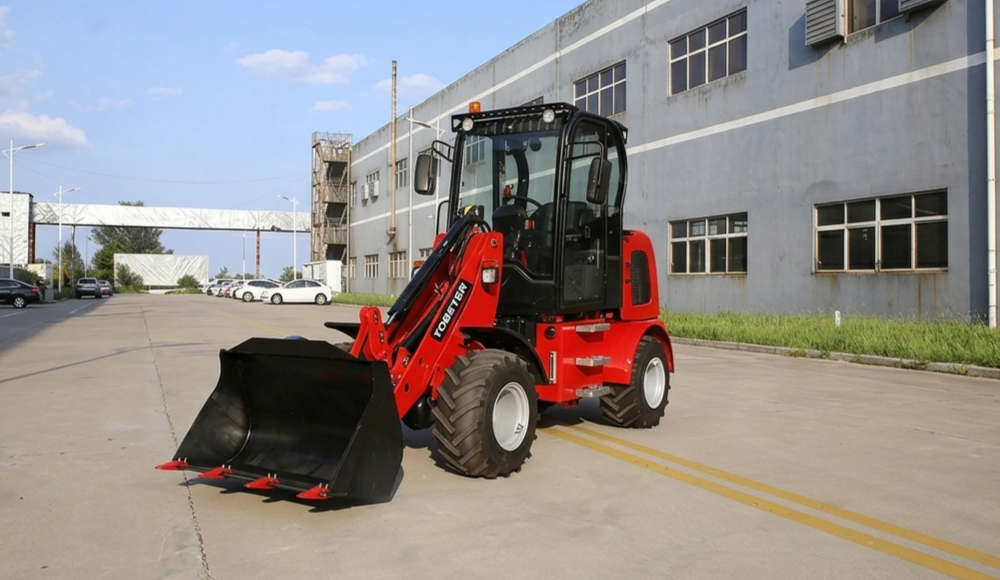
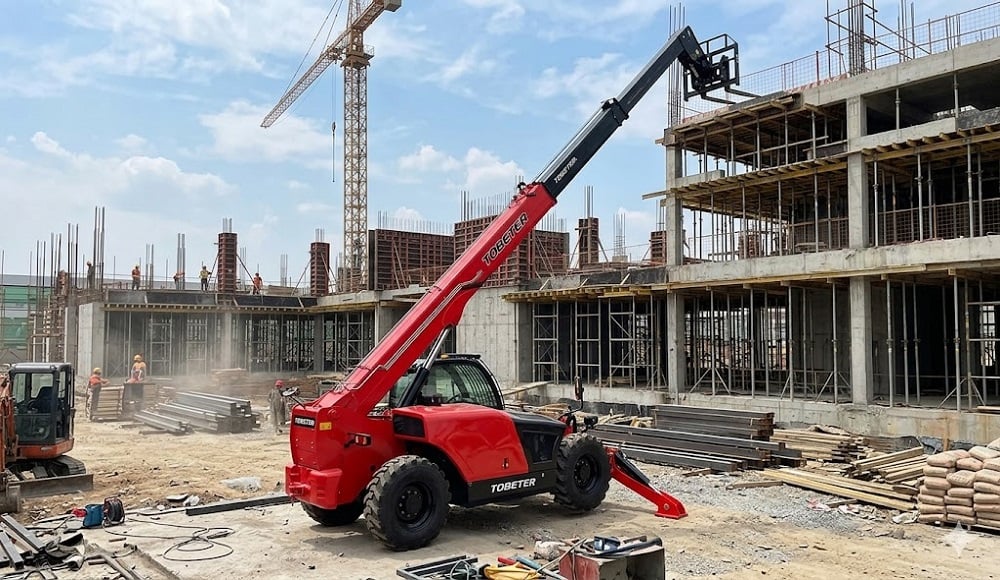
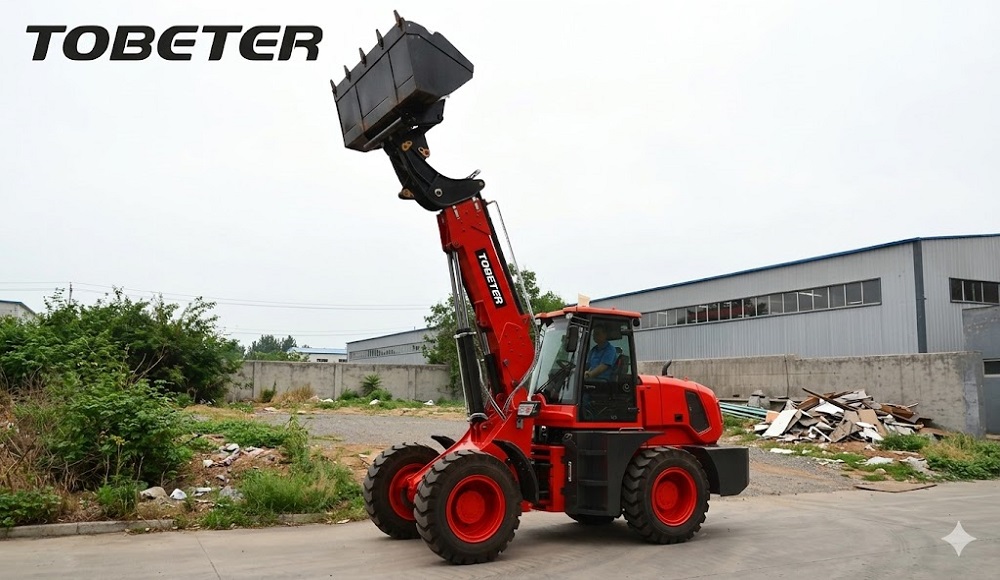
Manufacturers like Tobeter focus on designing construction equipment that balances durability, ease of control, and operator comfort, which is especially important for beginners who are still developing their handling skills.
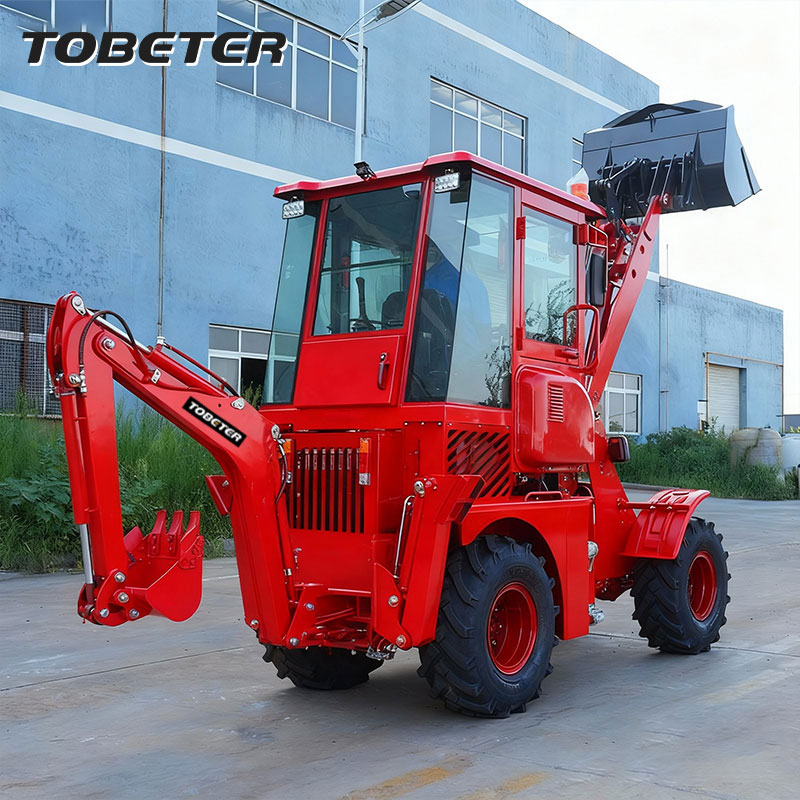
Before starting the machine, a thorough inspection is essential. This step ensures both safety and performance. Beginners should always check fluid levels, including engine oil, hydraulic fluid, and coolant. Tires or tracks should be examined for wear, damage, or improper pressure. Hydraulic hoses must be checked for leaks or cracks, as these can lead to serious operational hazards.
The operator should also ensure that all controls are responsive and that safety features such as lights, alarms, and seat belts are functioning properly. A quick walk-around inspection before every use can prevent unexpected breakdowns and reduce safety risks on the job site.
Operating a mini backhoe loader requires understanding its control system. Most machines use joystick controls for the rear backhoe and lever or steering wheel controls for the front loader. The left joystick typically controls swing and boom movement, while the right joystick manages the bucket and arm extension.
Beginners should take time to sit in the operator seat and practice small, controlled movements without load. This helps develop coordination and muscle memory. Smooth, gradual movements are key to avoiding sudden machine jerks, which can reduce precision and increase wear on hydraulic components.
Digging is one of the primary functions of a mini backhoe loader. To begin, position the machine on stable, level ground and engage the stabilizer legs to ensure balance. Extend the backhoe arm slowly toward the digging area, lowering the bucket into the soil at a controlled angle.
Once the bucket is inserted, pull it toward the machine in a smooth motion to collect material. Avoid overloading the bucket, as this can strain the hydraulic system and reduce efficiency. After filling, swing the arm carefully to the side and release the soil in a designated dump area.
For beginners, it is important to practice shallow digging first before attempting deeper or more complex excavation tasks. Controlled repetition builds confidence and improves accuracy over time.
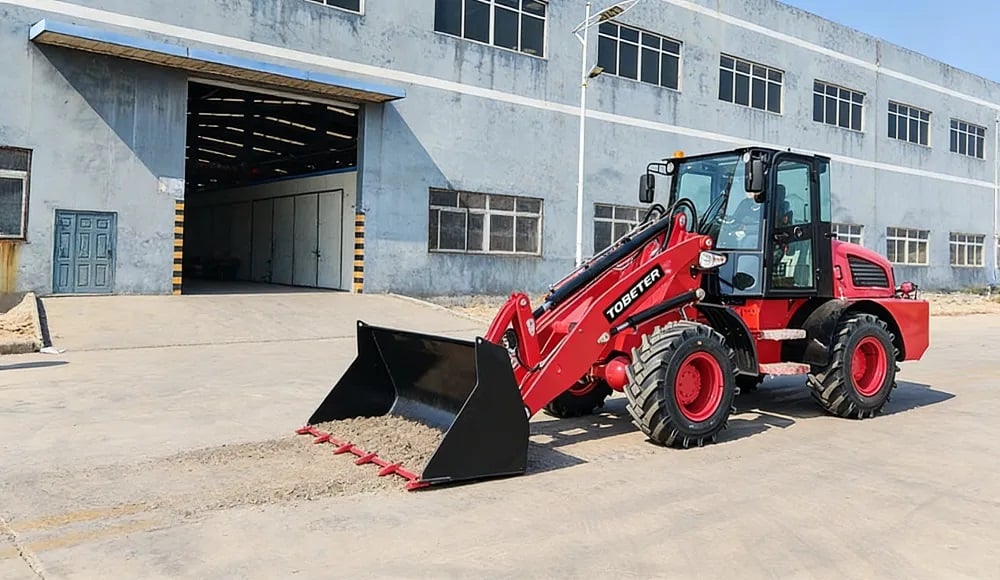
The front loader bucket is used for transporting and loading materials. When moving soil or debris, keep the load low to the ground for better stability. Avoid sharp turns while carrying heavy loads, as this can increase the risk of tipping.
When dumping material into a truck or pile, align the machine carefully and lift the bucket slowly. Smooth hydraulic operation ensures even distribution and reduces material spillage.
Safety is the most critical aspect of operating any construction machinery. Operators should always wear proper protective gear, including helmets, gloves, and safety boots. Never operate the machine under the influence of fatigue or distraction.
It is also important to maintain clear communication with ground workers and ensure the work area is free from unnecessary personnel. Always be aware of overhead obstacles, underground utilities, and uneven terrain.
In addition, beginners should avoid operating at maximum speed until they are fully comfortable with machine response and control sensitivity. Gradual learning reduces the likelihood of accidents and equipment damage.
Operating a mini backhoe loader may seem complex at first, but with proper guidance and consistent practice, beginners can quickly develop the skills needed for efficient and safe operation. Understanding machine structure, performing regular inspections, mastering control functions, and following safety protocols are the foundation of successful operation.
As construction demands continue to grow, compact and reliable machines like those designed by Tobeter play an increasingly important role in improving productivity and accessibility on job sites. With patience and practice, any beginner can become proficient in handling a mini backhoe loader and unlock its full potential in a wide range of applications.