EN
EN

There are many different types of heavy construction equipment in the world today. All of this equipment falls into different categories based on how they might be used or on what type of work they can perform. Among all of these categories, two types are frequently compared with one another - loaders and excavators.
One of the first considerations when comparing loaders and excavators is to understand how each machine works and for what purpose. Loaders are designed to handle materials, while excavators are designed for excavation.
In this article, we will focus on the functions of loaders versus excavators, as well as how much each style of equipment excels in its area. By understanding the functions and limitations of loaders and excavators, contractors and buyers will be able to select the right equipment for their project.
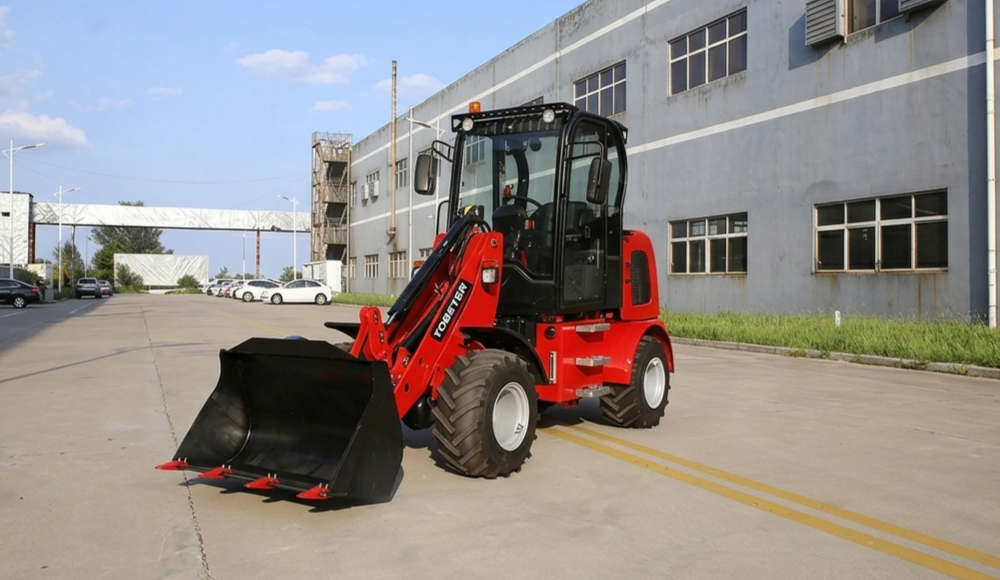
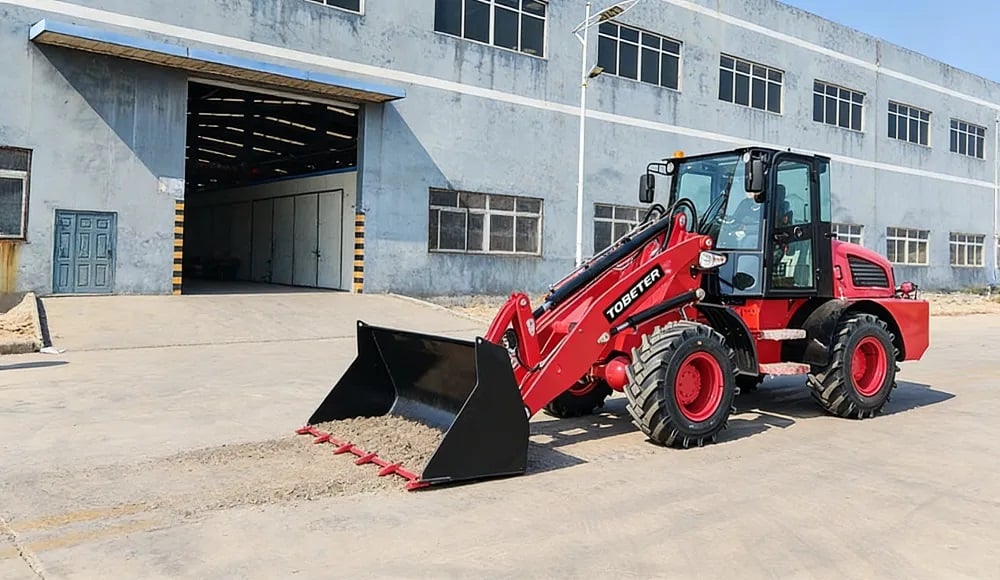
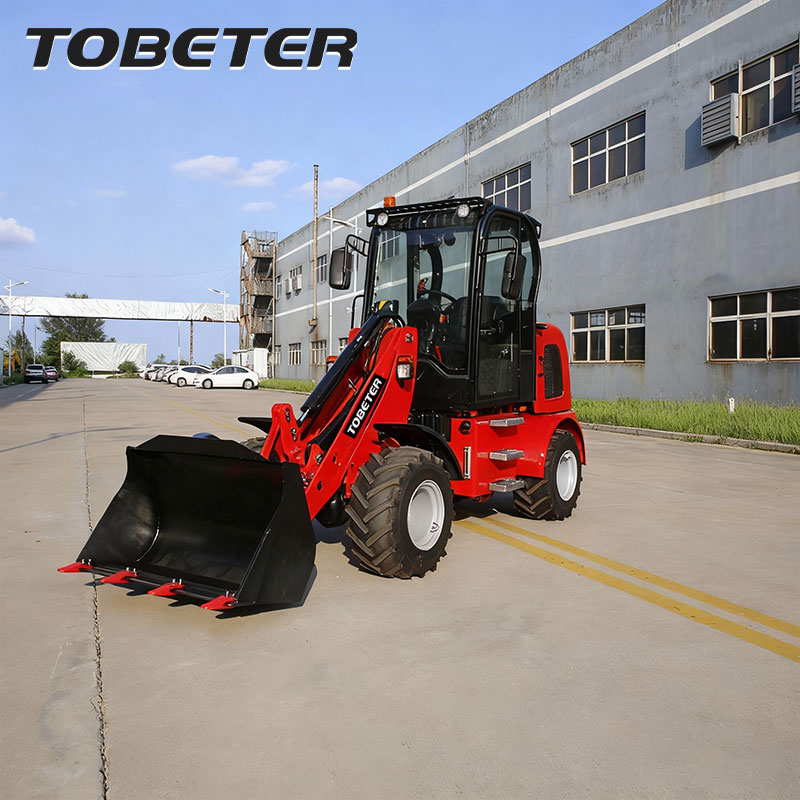
A loader is a type of heavy construction machine that is mainly used for material handling tasks. Loaders scoop, lift, carry and load a variety of different types of material, including soil, sand, gravel, bulk debris, snow, and other products. Although loaders can be used for limited excavation work, they are mainly used to transport material to dump trucks, cabs, or material storage piles.
Many different varieties of loaders have been created to fit the specific conditions found at construction sites. Some of the most common types include:
Wheel Loaders: These are large, high-horsepower machines with front buckets, used primarily in construction, quarrying, and construction material yards.
Skid Steer Loaders: These are small, very versatile machines designed for small work areas and small projects. They are commonly used in many urban locations with low overhead ceiling clearance.
Track Loaders: These are heavy loaders with tracks rather than wheels and provide excellent traction in muddy and soft ground conditions.
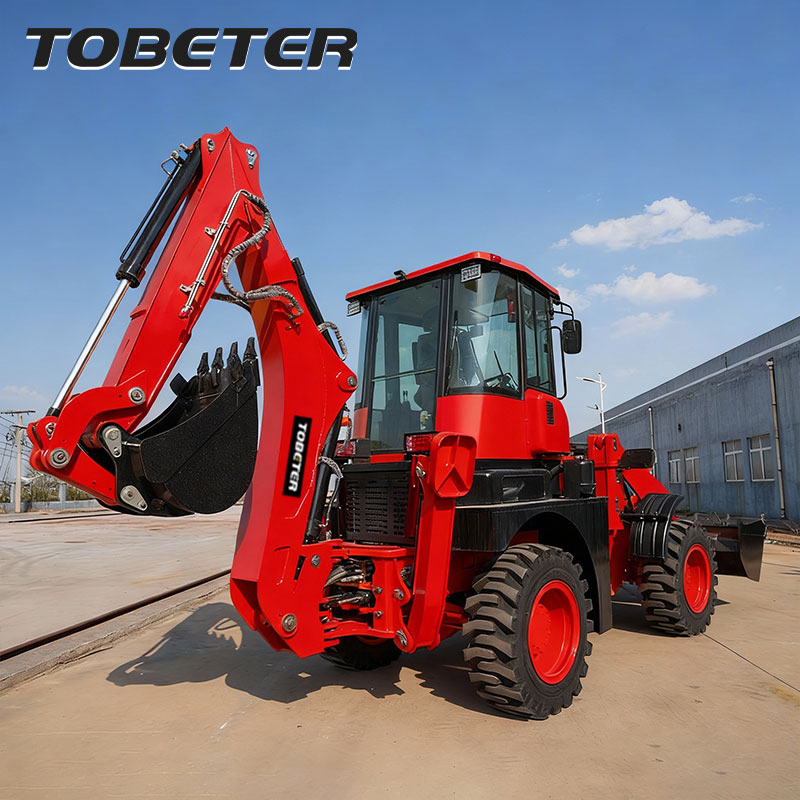
An excavator is an assembly of powerful construction machines that specializes in the excavation, movement and transporting of earth materials. An excavator has several major components - a boom, arm, bucket and undercarriage - that allow it to rotate 360 degrees. An excavator has a greater degree of flexibility in excavation and earthmoving than loaders, as it can work in many locations.
There are three broad types of excavators: crawler, mini, and wheeled.
Crawler excavators are built for heavy operations in hilly or steeply sloped terrain.
Mini excavators are compact machines designed to perform light construction work in narrow spaces.
Wheeled excavators are more mobile than crawler excavators and are commonly used in urban areas or other areas where concrete and asphalt surfaces exist.
Both loaders and excavators are essential types of heavy equipment used in construction; however, they have considerable differences.
The most significant difference between loaders and excavators is the primary purpose of the machines.
Loaders are primarily designed as material handlers. The primary purpose of a loader is to scoop, lift, and transport (haul) various materials (soil, sand, gravel, debris, and snow) over short distances and load them into trucks, hoppers, or stockpiles. Loaders increase the efficiency of the workflow on busy job sites.
On the other hand, excavators are primarily designed for digging, moving earth and other materials. They are used to excavate trenches and/or define the excavation area for foundations, as well as to demolish materials and dredge and grade the earth. The design of an excavator (a large boom and stick that support a bucket) allows for the capability to dig deep into the ground with high precision. Thus, when a job involves excavating below the ground surface, excavators are essential and nearly always used.
On most level, unobstructed construction sites, loaders have the highest mobility capability. When it comes to travelling around a project site, wheel loaders can move quickly; no additional equipment is needed to get to adjacent jobs once finished with an initial job, thus making wheel loaders the ideal machine of choice when working on time-sensitive projects that require a lot of short-distance repositions.
On the other hand, excavators typically have slower movement speeds with respect to project site travel than most loaders. In particular, crawler excavators that crawl on tracks are typically much slower than wheel loaders due to the track being designed to offer superior stability and traction on soft and unstable ground such as mud and unevenness (compared to wheel excavators which may have limited stability and traction on these same ground types) but also limit the speed at which these machines can travel since tracks add weight.
As for depth of excavation and reach into the ground, excavators have a clear advantage over loaders when it comes to these two functions.
Excavators are designed to dig deeper into the ground than loaders can and reach much longer distances outwards from where they are located. The long boom and stick assemblies of an excavator allow for both depth and length of reach that make excavators ideal machines when digging trenches, basements, pipelines, and foundations.
Additionally, due to their ability to rotate the upper structure of the machine 360 degrees, excavators can easily dig, then move and pile dumped material in any direction without needing to reposition the machine for precise material placement. The buckets used on loaders are not designed for deep excavation but instead, will only allow scraping the surface of the ground with the bucket. Thus, if a project requires deep excavation and long reach, an excavator will be the only viable option.
While both machines are capable of lifting heavy loads, they lift in different ways.
A loader is built to efficiently carry the loads. The combination of the loader's front arm's design and the loader's balanced chassis provides the loader with the capability to transport heavy materials from one point of the job site to another. As such, loaders are extremely successful in applications like quarrying, road construction, and material stockpiling.
While excavators can lift heavy materials, they typically are not designed to transport heavy loads. While an excavator may be used to lift heavy materials (like pipes or structural concrete slabs) into place, it is not capable of transporting heavy loads over long distances.
In terms of transport versus lift, loaders provide a better capability for carrying materials, while excavators have a greater capability of lifting and putting materials into place.
Excavators excel at offering their operators greater precision while working with a variety of loads and materials. The hydraulic system on the Excavator allows for smooth motion control and gives operators the ability to do delicate work (and therefore permits the operator to perform utility work and to "fine grade" in proximity to existing structures) with greater accuracy and much less risk of damage to surrounding materials.
Compared with excavators, loaders have much less precision; however, loaders make up for this in terms of power and speed. Loaders are developed to work in bulk—meaning they are designed for bulk-type operations and not detailed work. Skilled operators might be able to accurately accomplish certain tasks on the loaders; however, loaders were not designed for fine-controlling-type tasks.
In general, if you are looking for a machine for an accuracy dependent-type operation, an excavator would be a better choice.
The size of the jobsite and the condition of the site terrain will determine which of the two machines will best suit your needs.
Loaders work best on larger, wide-open areas that are level, such as industrial yards, mines, and road work. It is important to have enough room to be able to turn easily and maximize production.
Excavators can be used in more areas with less space, and they have the ability to rotate 360° to work in tight spaces, making them better in a confined areas or uneven terrain. For heavy or sloppy ground conditions, tracked excavators can be more effective.
Selecting the best heavy equipment for your needs is not just a performance issue but also about cost-effectiveness. Here are the primary cost considerations.
The initial purchase price of a machine is usually the first factor to be considered, and there are many differences in the purchase price of Loaders and Excavators.
Loaders: The purchase price will vary by type and size, with small compact loaders at less than $50K, to large loaders at several hundred thousand dollars, for use in the mining and major construction Industries.
Excavators: Medium to large crawler excavators have a significantly higher upfront purchase price due to complex hydraulic systems and long reach arm. A 20-ton excavator generally costs between $150K-$200K, with larger versions exceeding $500K.
Maintenance and operating expenses, in addition to your investment purchase price, represent a large portion of the total costs associated with owning an equipment asset.
Loaders: They are typically simpler to maintain than excavators, as loader maintenance consists mostly of routine preventative maintenance, including checking hydraulic fluids, lubricating pin joints and bolted connections, checking tire air pressure, and servicing engines.
Excavators: They require far more regular specialised maintenance than loaders, due to their hydraulic system, swing mechanisms and track drive systems. The inspections and repairs required will tend to be more extensive than those required for loaders, resulting in greater ongoing operational costs.
Typically, the most obvious ongoing expense of operating heavy equipment is the cost of fuel and repair.
Fuel Efficiency: Loaders generally are more fuel-efficient than excavators. This is especially true in the case of loaders during material handling and short-distance transport. In contrast, excavators tend to have higher hourly fuel consumption due to a continuing need to excavate and swing the boom, with increasing fuel consumption associated with deeper or heavier excavations.
Repair Costs: Due to their complicated hydraulic systems, boom and attachment mechanisms, as well as the extensive size of their booms and attachments, excavators generally incur much higher repair costs than do loaders. Due to the much simpler mechanical design of loaders, repair costs will typically be much less frequently experienced; however, specific types of repair may still incur high costs, especially for major loader components, such as engines or transmissions.
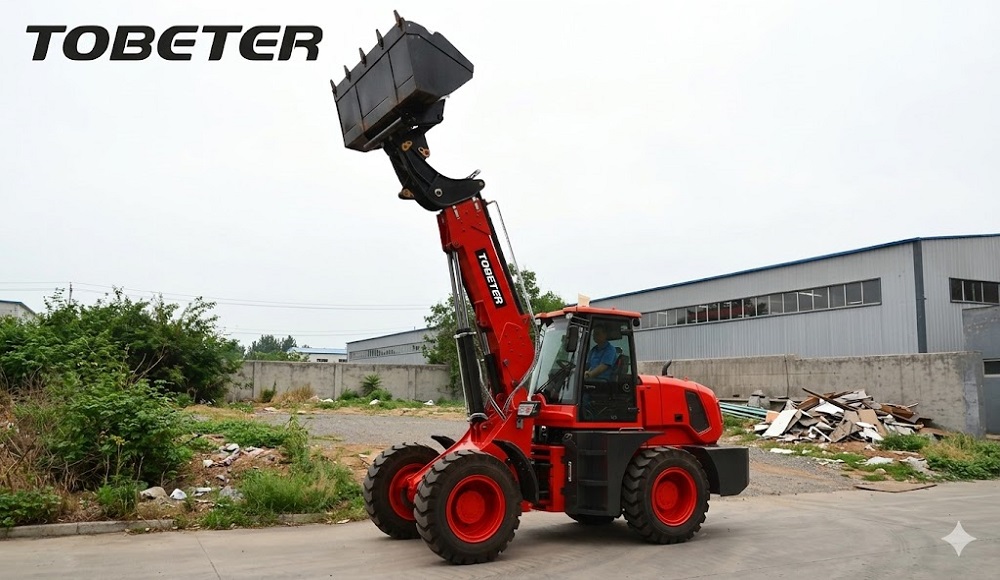
Investing in premium-quality equipment such as Tobeter's loader and excavator will ultimately reduce the costs associated with owning and operating a piece of heavy equipment throughout the lifetime of that machine because quality loaders and excavators are more durable, better designed for the intended applications, and have more readily available parts for replacement and repairs.
Although loaders and excavators are relevant to construction as well as the movement of earth, the function and design of each machine are fundamentally different. Loaders generally transport, load, unload and handle goods related to the project they’re working on; conversely, excavators support the building site during multiple areas of product movement, digging and soil preparation.
To determine which loader or excavator is the best match for specific projects depends on many variables, including the objectives of the project, conditions of the job site, budgets, and other factors. By considering both loader/excavator strengths and weaknesses in relation to job specifications, contractors can achieve optimum productivity levels with minimal costs associated with site construction.
Whether you need a loader, an excavator, or a combination of both, making an informed decision will ensure your project runs smoothly from start to finish.