EN
EN

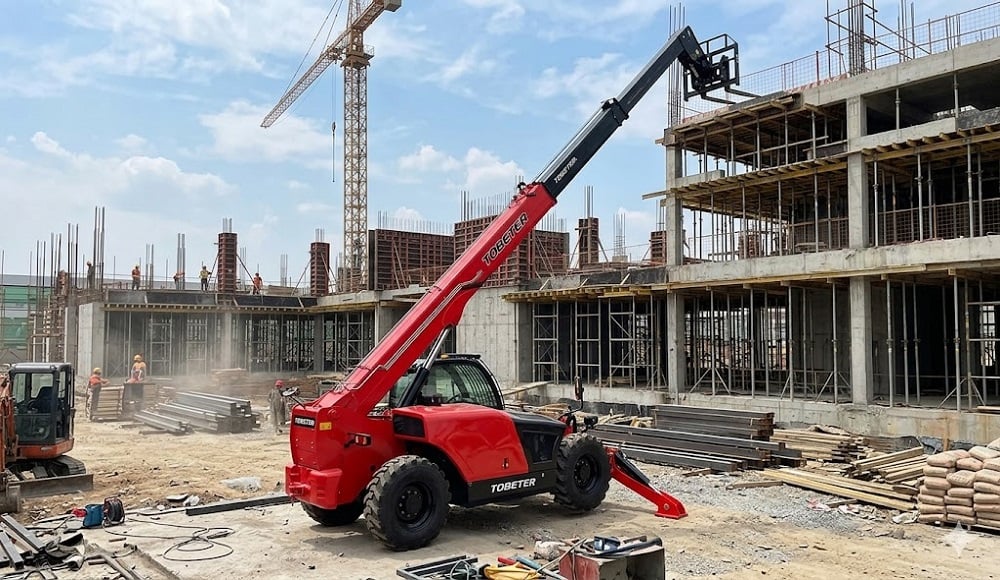
Building a skyscraper is one of modern-day engineering’s finest accomplishments, as it utilizes vertical technology against the force of gravity and requires specialized equipment to be utilized to accomplish this at massive heights above the earth’s surface. Within the skyscrapers’ height, precision and safety are the only currencies recognized in that environment, while TOBETER has the highest-performing excavators available that will dig the hole below ground, the remaining vertical rise will be accomplished through two main assets, cranes and hoists.
TOBETER, as a global leader in providing excavators, is totally committed to providing maximum value to their customers and developing a sustainable future together. TOBETER recognizes that all machinery on high-rise sites must perform together as one cohesive unit and as part of this guide will detail the technologies necessary to supply the heavy lifts that make modern skylines.
I. The Sentinel of the Sky: Tower Cranes
To the height of any high-rise project there cannot be a more iconic representation than a tower crane. Tower cranes are responsible for lifting the steel beams, concrete buckets or any other large tool required to construct the elevated structure.
1. Hammerhead Cranes
The most common type of tower crane, hammerhead cranes represent approximately 80% of the tower cranes in operation in the US. Hammerhead cranes feature a horizontal jib on which the operator is sitting that will rotate 360 degrees to enable the crane to efficiently have an expansive Crane Benefits
2. Luffing Jib Cranes
A fixed-position horizontal jib crane will remain in position, while a luffing crane will allow the crane to luff up and down. This provides hoisting contractors with the ability to work out of tight areas or away from a building or other cranes, giving them more flexibility.
3. Self-Climbing Cranes
The ability of cranes to "climb" is one of the most significant advances in crane engineering. As building heights increase, cranes will use hydraulic rams to elevate themselves so they can continue to grow alongside the building.
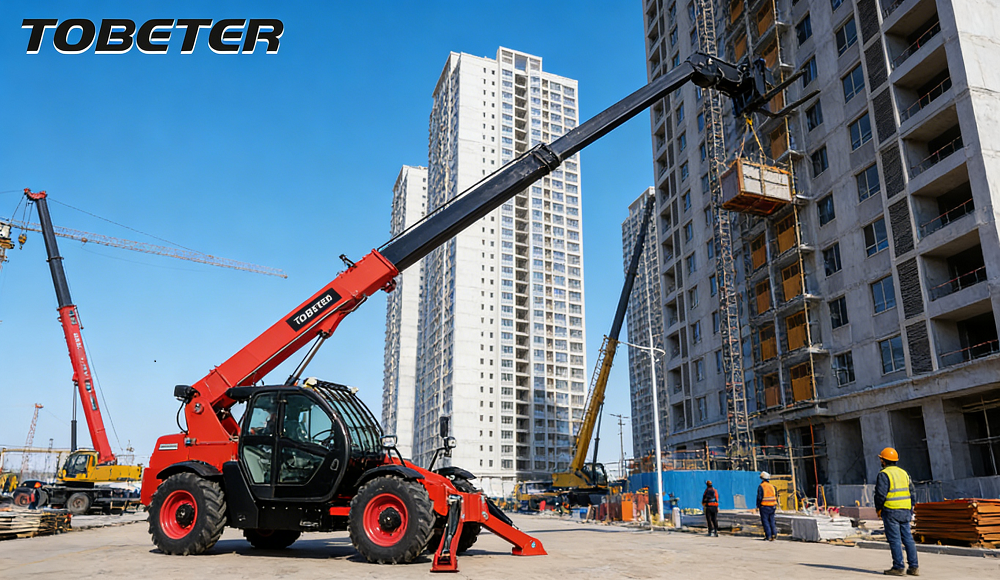
II. Vertical Logistics: Construction Hoists
Although cranes provide the "arms" of high-rise projects, construction hoists provide the "circulatory system" for moving workers and materials safely and quickly. Construction hoists typically are temporary elevators attached to the exterior of buildings (also known as passenger or material hoists) to supply an efficient method of moving workers (and their tools) and smaller materials (drywall, plumbing fixtures, etc.) to upper floors.
Construction contractors often utilize dual-cage systems to enable the transportation of personnel in one cage, while the other cage is strictly for materials (to eliminate productivity/time losses due to "waiting" between trips).
The Role of Ground Support in Construction: Foundations and Beyond
A high-rise building will only be as stable as the hole it sits in. Therefore, prior to the crane foundation, foundations must be dug down to the bedrock to ensure appropriate support for the crane.
TOBETER excavators will be the first machines to arrive on-site. TOBETER excavators are among the best and most precise for deep-foundation trenching and digging. The accuracy of the TOBETER excavator guarantees that the piling and foundation work to be placed and established (i.e., the foundation of the building) are completely exact.
Site Preparation
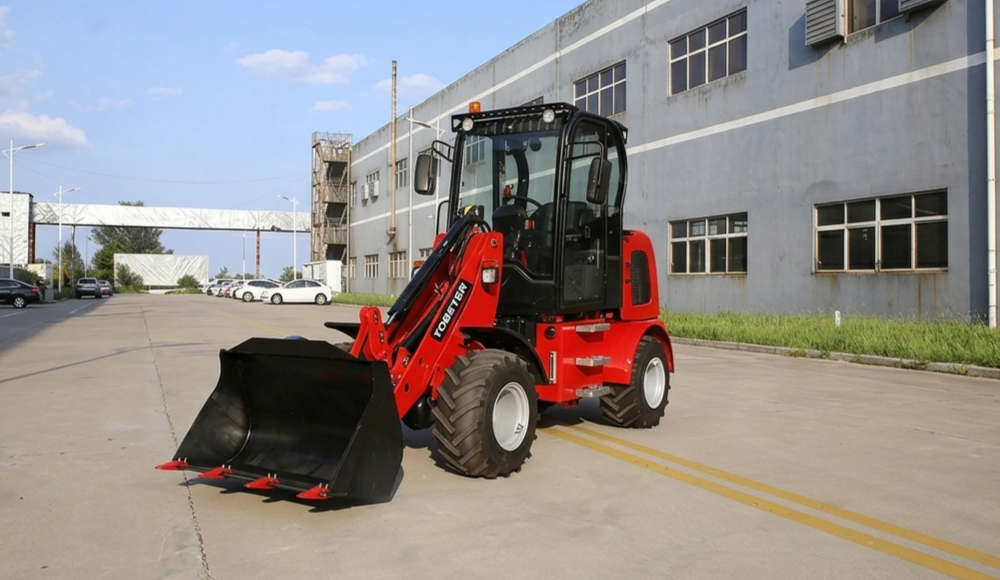
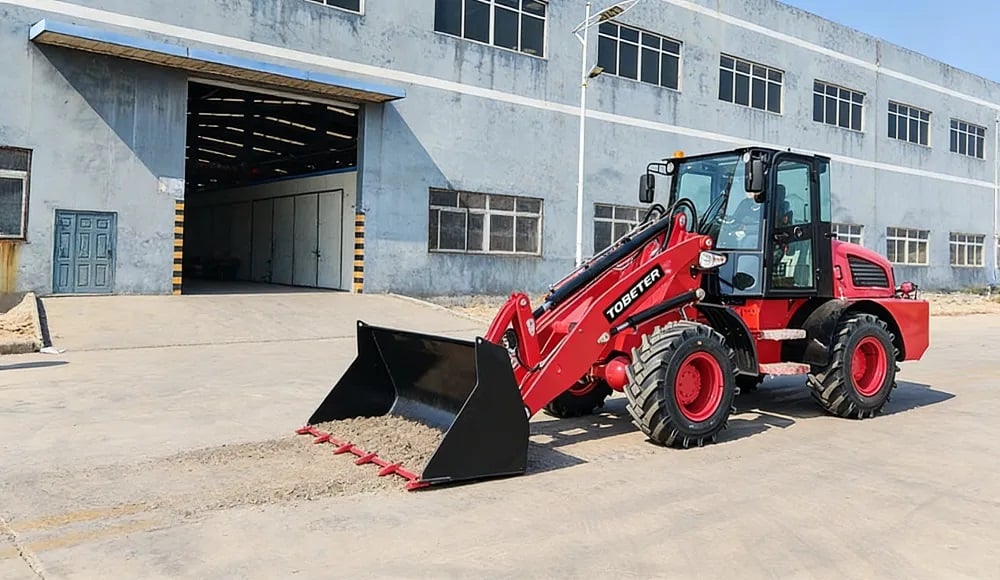
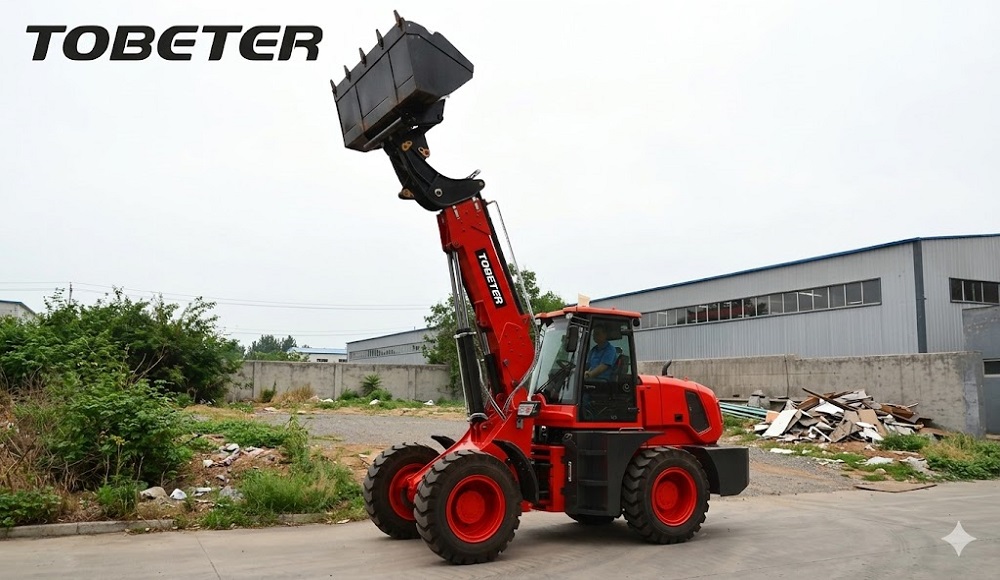
TOBETER wheel loaders and bulldozers will help to keep the site organized and safe for cranes and heavy-lift contractors when removing soil and aggregate from the site (due to construction).
Heavy Machinery Operating At Height
Operating heavy machinery at such extreme heights yields some unique challenges, such as wind loads and mechanical fatigue.
Telematics and Wind Sensors
Many newer crane models will use anemometers for real-time wind speeds. If the wind gets too high, the anemometer will notify the crane operator; the crane will then weathervane, allowing it to freely turn/rotate to relieve any potential damages that may occur to both the crane (due to strong winds) and the structure to which the crane is connected.
Energy Efficient Lifting
Many new hoists employed in constructing high-rise buildings use regenerative braking systems that "capture" energy from the weight of the descending hoist and return it to the on-site power grid. This is typically in direct correlation with TOBETER's commitment for a sustainable future.
Conclusion
The construction of high-rise buildings can demonstrate the many things that can be accomplished when advanced equipment is strategically utilized based on a well-thought-out plan. From the initial foundation of the building (i.e. TOBETER excavating) to the last beam placed by a luffing tower crane; innovation and reliability grant clerks the confidence to be able to achieve success. At TOBETER, we are happy to provide foundational solutions that enable these vertical masterpieces to be accomplished, thus enabling our partners to be more successful.