EN
EN

Heavy machinery has become an integral part of our world, driving improvements in infrastructure, mining, agriculture ,and industrial applications. The heavy equipment manufacturing industry is at the forefront of economic development and provides machines which help increase productivity, efficiency, and safety at construction and industrial sites. With the increasing pace of global urbanization, infrastructure investment, and sustainability, heavy machinery is growing rapidly to meet demand through technology, electric power, and digital transformation.
The heavy equipment market has been growing at a steady rate of growth for years with global projects initiated by large infrastructure projects; mining advancements; and industrial modernization being the largest drivers of growth in the global heavy equipment market. In 2024, the global heavy equipment market will reach approximately $658 Billion, and is projected to grow by almost $890 Billion by 2033 representing continued growth within the industry.= Likewise, the heavy construction equipment market itself is projected to grow from $144.7 Billion in 2024, to $214.5 Billion by 2033, as a result of infrastructure growth; mining; and renewable energy projects.
There are several key drivers of this global growth:
- Rapid urbanization of developing nations.
- Massive government investments in infrastructure.
- Growing demands for both mining and energy resources.
- The adoption of automation ( AI ) and complete digital monitoring systems.
- The expansion of sustainable and electrically powered equipment.
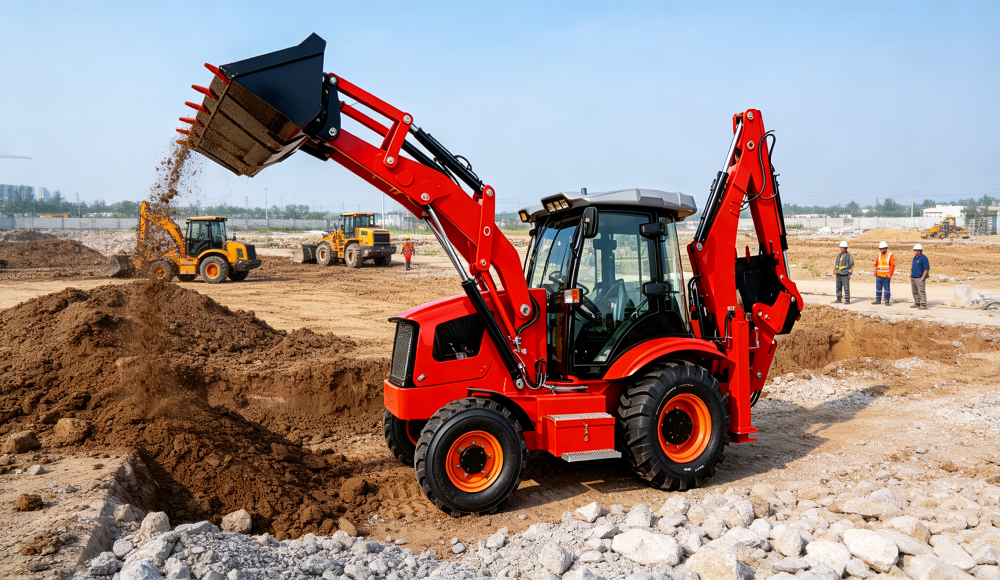
The earthmoving equipment segment - excavators, loaders, and bulldozers - represent the largest portion of the overall industry accounting for 52% of the total number of units sold globally. Distribution by Geographic Region The Asia-Pacific region accounts for the largest percentage of heavy equipment sales worldwide due to the growing demand for infrastructure in Asia (China and India) that is 45% of all demands for global heavy machinery.
Asia's expansion in the heavy equipment sector is being driven by three main factors:
- Publicly funded infrastructure construction
- Increased urbanization
- Industrialization
- Infrastructure construction for mining and energy development
As European and North American countries continue to be the largest consumers of heavy machinery as they continue to operate under advanced construction standards (higher use of technology) and to increasingly operate through sustainable forms of machinery. Emerging/Developing Countries like Africa, S.E.A., and S. America will also see high percentages of growth with the investments they are making in infrastructure and industrial development.
Leading Companies in Global Heavy Machinery
Heavy Machinery Manufacturing Market is reasonably concentrated and a small number of global manufacturers dominate the heavy machinery sector of the heavy machinery industry with all being considered technology leaders, reliant on global manufacturing and distribution capabilities. Leading manufacturers in the heavy construction equipment sector include:
The combined market share of Caterpillar, Komatsu and Volvo accounts for over 40% of all global heavy machinery sales, making these manufacturers significant market participants. The nature of competition in this sector is defined by the manufacturers' ability to develop new technologies, produce sustainable heavy machinery, and expand globally.
Emerging and Competing Brands: The Example of TOBETER
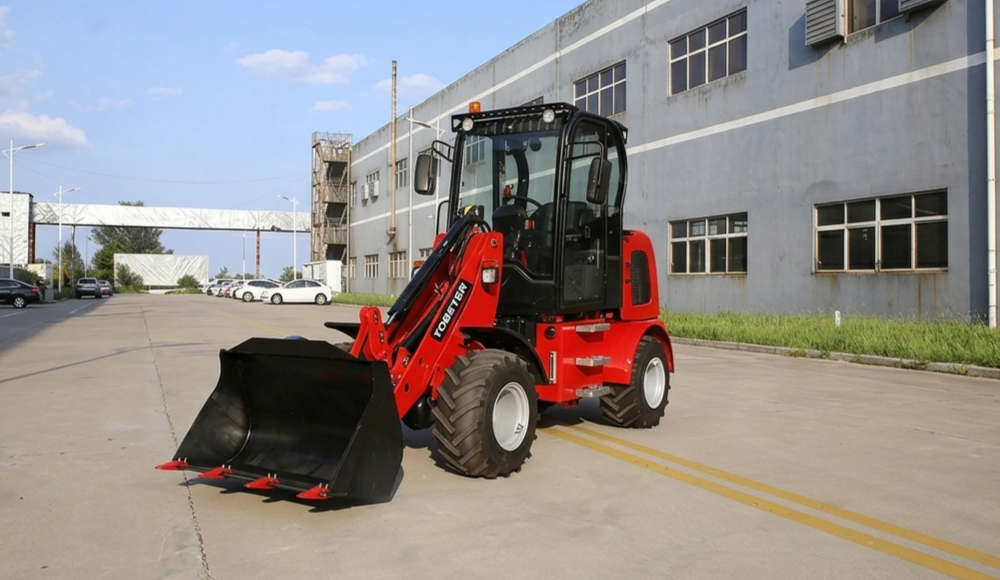
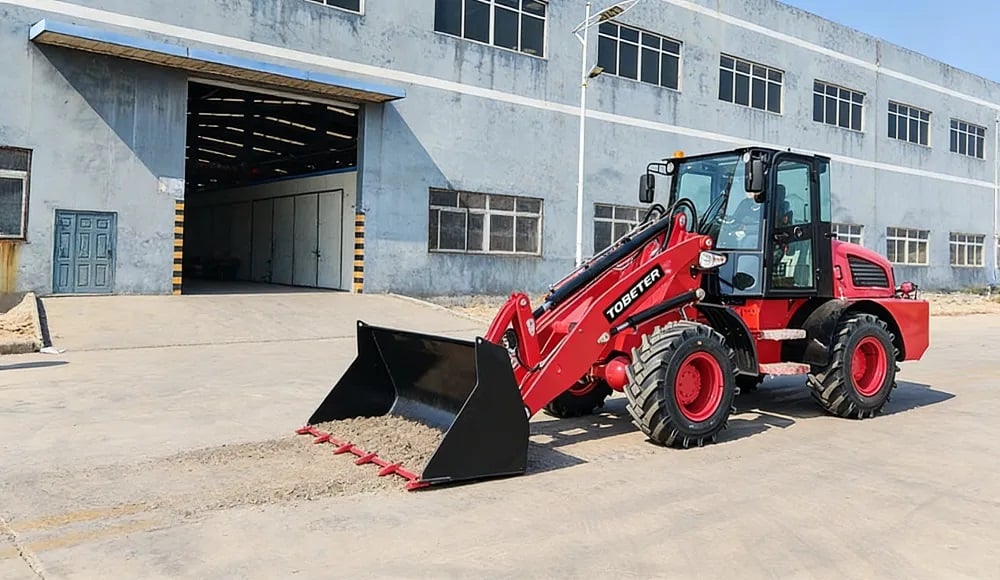
While the majority of top heavy equipment manufacturers control the majority share of the heavy equipment sector globally, there are a number of new entrants to the industry, like TOBETER who are gaining the attention of contractors and manufacturers by providing reliable, affordable, efficient heavy equipment to meet the needs of construction and manufacturing companies today.
Core Competencies of TOBETER:
1. Provide cost-effective heavy equipment to User
TOBETER offers a large range of high-quality heavy equipment at outstanding prices. Contractors and manufacturers benefit from their investment with TOBETER products because of TOBETER's cost-effective pricing and the maximum return that can be realized with the use of TOBETER products.
2. Use For Various Applications In Construction
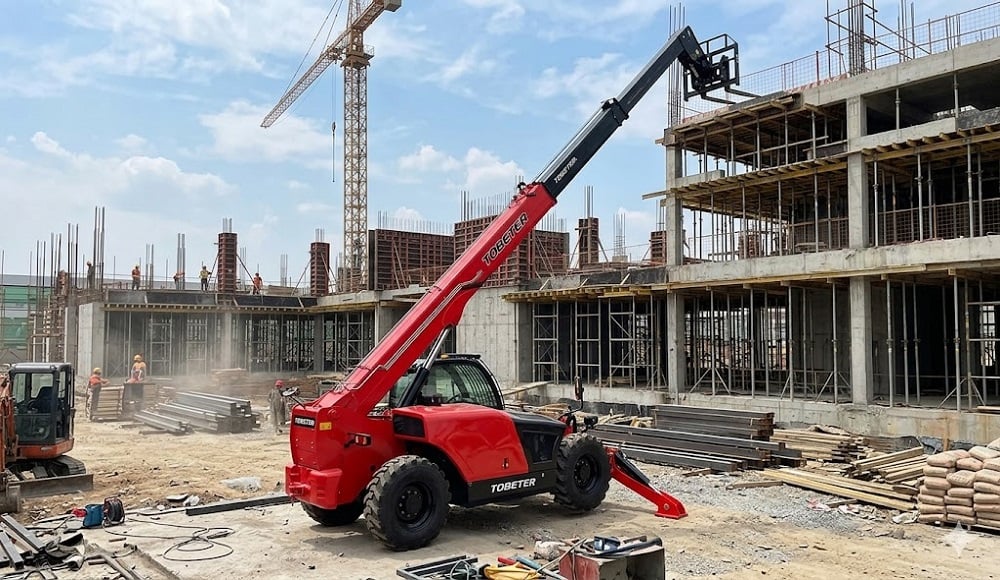
TOBETER provides products that can be used for many applications to meet the need for a diverse variety of applications throughout the world, including construction, agriculture, mining and infrastructure construction.
3. Reliability & Durability
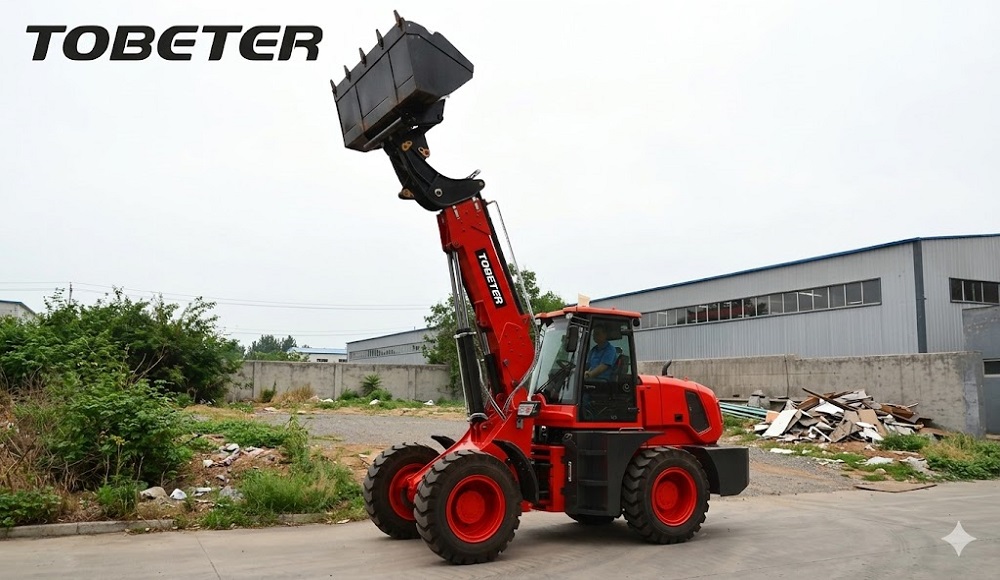
TOBETER designs its machines for the toughest operating conditions, providing consistent performance and a long service life.
4. Growing International Capabilities
TOBETER is expanding its global distribution network to respond to customer demands more effectively as developing countries continue to exhibit strong growth in equipment consumption. Emerging brands such as TOBETER contribute positively to market competition, innovation, and flexibility in offering customers equipment choices.
The Major Technological Innovations Impacting the Industry
Innovation through technology is creating profound changes in heavy machinery. Significant technologies that will transform the heavy equipment market include:
Electrification & Sustainability
Growing environmental concerns and stricter emission regulations have driven increasing adoption of electric and hybrid powered equipment. The number of electric excavators exported from 2022 to 2024 grew by an estimated 35% as manufacturers respond to the growing needs for environmentally sustainable equipment.
Manufacturers are also actively pursuing hydrogen-powered equipment and alternative fuels to help reduce carbon emissions in their product lines.
Automation & Smart Technology
The increasing use of automation and artificial intelligence in the heavy machinery industry is changing the way heavy equipment operates. Autonomous vehicles, remote monitoring systems, and predictive maintenance systems have all contributed to increased efficiency, decreased downtime, and enhanced safety. As a result, more than 37% of heavy equipment launches contain some level of automation or artificial intelligence and contribute to the increased operational accuracy and productivity of the equipment. Emerging manufacturers such as TOBETER and others have begun to integrateManaging Fleets and Digitalization
Digital solutions (telemetry, geospatial tracking and IoT) have enabled the real-time monitoring of equipment performance, maintenance schedule optimisation and the enhancement of fleet efficiency. Consequently, the use of digital solutions has allowed operators to achieve reduced operating costs, increased machine uptime and enhanced productivity.
Growth Enablers and Market Opportunities
In terms of key growth drivers in the heavy equipment sector, the following are the leading:
Infrastructure Development
The development of infrastructure worldwide (roads, bridges, airports and urban construction) will result in ongoing demand for heavy equipment. With over 73% of the overall usage of heavy equipment in the infrastructure sector being associated with the construction industry, it is clear there will be a continued importance of the construction industry.
Mining Industry
Heavy equipment (i.e., excavators., loaders. dump trucks.) we are required to operate mining ventures and obtain minerals. The demand for minerals, metals and energy will continue to increase on a worldwide basis, as such, the demand for heavy equipment used for mining will continue to increase.
Sustainable Building
Sustainable building is becoming increasingly important and many manufacturers are adopting environmental regulations in an attempt to use machines that produce lower emissions, and/or utilize electric power. Electric and hybrid equipment will continue to become more popular due to improved fuel economy and less impact on the environment.
Growth in Emerging Markets
Developing nations will continue to invest heavily in infrastructure and industrial development creating additional market opportunities for heavy equipment companies like TOBETER.
Emerging markets represent a significant opportunity for growth due to:
Conclusion
The global heavy machinery market will continue to grow as infrastructure construction, industrial development and technological innovation drive the adoption of heavy machinery worldwide. While large existing brands such as Caterpillar, Komatsu and Volvo currently control/own the majority of the market, there are new innovative manufacturers such as TOBETER that are entering the market and becoming rapidly growing players by offering dependable, flexible and competitively priced equipment.
With continued investment in research and development, innovation, sustainability and international growth into both domestic and international markets by heavy equipment manufacturers such as TOBETER, the heavy equipment industry will be positioned to have an impact on the future of industry, construction and firefighting throughout the world.