EN
EN

The construction machinery industry supports global economic growth and infrastructure development. Urban development is creating large-scale transportation systems, energy projects for municipalities, and industrial/commercial facilities that together require construction machinery to continue the progress of modern society. The need for more efficient, reliable, and technologically advanced construction equipment will be driven by population expansion as countries develop and become urbanized as their economies grow.
The construction machinery sector has been the foundation of developing countries and the creation of infrastructure. Earthmoving machines prepare the ground for larger buildings; cranes and lifting machinery allow for the creation of taller buildings within urban centers; road-building equipment assists in the connection between neighbouring cities or regions.
This article intends to provide an overview of the global construction machinery industry by providing information regarding market trends, the major drivers of growth, the major drivers of technological advancements, the major challenges facing the industry, and the outlook for the future of the construction machinery industry.
Construction machinery includes all kinds of heavy equipment used in construction, building, infrastructure, and resource extraction. Construction machinery is generally separated into many major categories, which include: earth-moving equipment (excavator, dozer and loader), material handling equipment (cranes, forklifts), road construction equipment (paver, roller), concrete equipment (mixer and pump), and specialized equipment for mining/tunnelling.
The global construction machinery market has experienced steady growth over the last ten years due to the expansion of infrastructure through urbanisation and industrialisation. Although the market has experienced temporary downturns due to major global events and economic cycles, the long-term trend for construction machinery is growing at a good rate. A large increase in construction material production due to the growing need for public infrastructure projects (road, rail, etc.), as well as private construction projects all have driven up demand for many different types of construction equipment.
Regionally, the Asia-Pacific area accounts for the largest amount of construction machinery demand by region around the world. Rapid urbanization in many emerging markets along with major countries like China, India, and Southeast Asia, has created substantial market opportunities in this area. North America is an established and stable construction equipment market driven by infrastructure renewal projects, residential housing demand, and manufacturing operations. Europe focused greatly on the productivity benefits associated with using more efficient machines, reducing emissions, and implementing advanced technology into its operations. In addition, the Middle East, Africa, and Latin America create strong investment opportunities because of the many energy-related, urbanization-related, and mining-related investments occurring in these regions.
The largest end-user type of construction machinery includes infrastructure development (roads, railways, bridges, airports), residential, commercial, and industrial construction, and mining enterprises. Among these categories, infrastructure projects utilize the largest quantity of construction machinery, especially in developing and rapidly urbanizing countries.
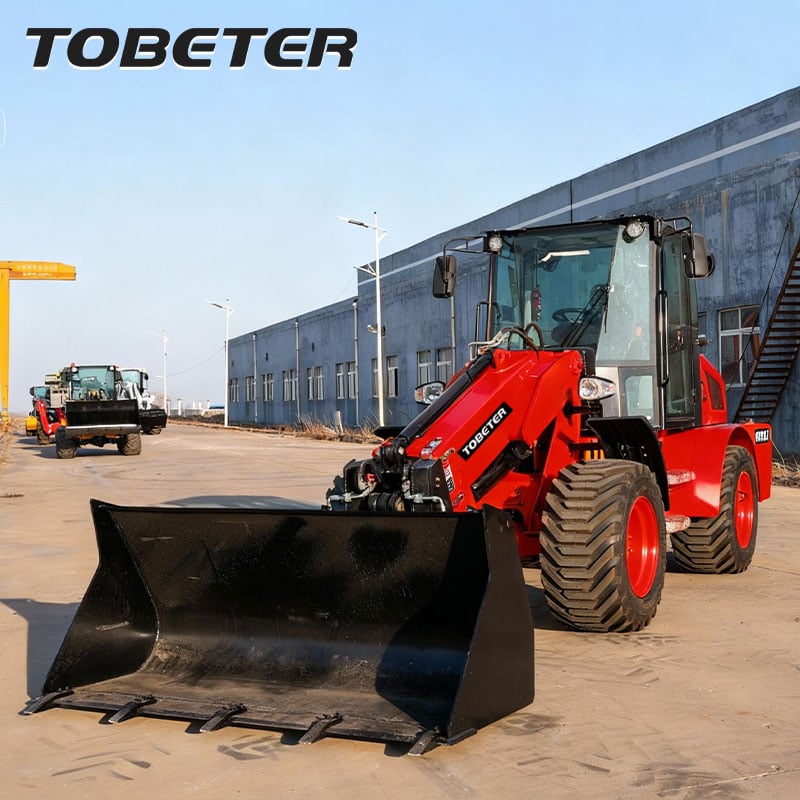
Growth in the construction machinery industry is driven by a number of fundamental issues. Arguably, the most significant factor is the rapid population growth that is occurring across much of the world. Millions of people continue to migrate from rural areas into urban centers each year, requiring that governments and developers invest in housing, transportation systems, utilities, and public services, all of which require construction equipment to build.
One of the major components supporting the investment in infrastructure and public works is the ongoing investment made by governments at all levels of investment into these types of projects. A surge in infrastructure initiatives designed to increase economic development, connect communities better, and create stronger communities is prompting several nations around the world to execute considerable infrastructure initiatives. These initiatives will heavily rely on construction equipment such as cranes, excavators, bulldozers, backhoes, etc., which will generate demand for the construction equipment industry for a long period.
As the world moves toward greater energy efficiency, energy projects will also have a large impact on the demand for construction equipment. Renewable energy projects such as wind farms, solar energy facilities, and hydroelectric dams will require construction equipment specifically designed or customized for use in the construction and installation of such facilities.
Growth in mining, quarrying, and resource extraction activities further supports demand for heavy equipment. Excavators, loaders, haul trucks, and drilling machines are essential for extracting minerals, metals, and raw materials needed for industrial production and infrastructure development.
Last but not least, the development of new and innovative technology designed to enhance productivity, reduce cost, increase safety, and promote new management practices will stimulate the market for replacement construction equipment and fleet upgrades. Construction contractors will continue to make investments in new technology and modern equipment, as they are able to receive a greater return on their investment through lower costs of operation and improved accuracy, thus increasing the efficiency of their construction operations.
Construction machinery has been restructured due to the constant development of construction technologies used within the industry by the construction machinery manufacturers. These continual technological advancements are causing significant change to how equipment is planned, operated and maintained.
Automation has affected all types of construction machinery. For example, traditional dozers, haul trucks, and robotic or semi-robotic excavators are being implemented in larger construction projects or larger mining operations. With automation, equipment can execute repetitive tasks independently from a human operator or require fewer human operators because of sophisticated algorithms.
To precisely place materials, GPS, sensors and cellular machine guidance technology are used alongside automatic grading and excavation systems to minimize rework, increase efficiency of the project, and provide the opportunity for remote monitoring of performance which creates a more controlled, productive environment.
The use of automation provides a higher degree of accuracy and productivity, increases safety, decreases dependency on skilled jobs and creates additional safety in the workplace by decreasing the amount of time people are exposed to dangerous working conditions.
Digitization and connectivity are becoming commonplace in today's construction machinery. Telematics and Internet of Things (IoT) allow machines to collect and share real-time data regarding location, fuel used, hours used, and maintenance needs.
A data-driven approach can assist construction companies with better fleet management, reducing their idle hours, and better utilizing their equipment. Predictive maintenance will provide analysis of machine data, such as past performance, which will identify potential failures before they occur, saving money on repairs and extending the life of the machine.
Artificial intelligence and big data analytics also provide additional value to assist in meaningful decision-making by providing insight into trends regarding productivity, process improvement and project performance. Furthermore, digital platforms allow for the integration of machinery along with project management software, thereby creating greater transparency.
With stricter regulations limiting emissions from machinery, there is a move towards electric and hybrid-powered equipment rather than using traditional diesel-powered machinery. In addition to being zero-emission (in use) and lower–noise producing, electric construction equipment has a lower operating cost and is therefore a good choice for urban and indoor use.
The advancements made in battery technology and charging infrastructure allow for longer run times on electric equipment and faster recharging, addressing some of the previous limitations on electric-powered equipment. There are now a number of manufacturers producing electric-powered excavators, loaders and compact equipment to serve the growing demand for this type of equipment.
Along with the move to electric power, the industry has been experimenting with hydrogen fuel cells and other low-emission sources of energy. Though these sources are still in their infancy, they have potential in heavy-duty applications, where it would be difficult to fully switch to electric power.
The construction machinery industry faces many challenges, even though there are great potential growth areas. The major barriers to investment in new equipment are high initial costs, along with funding limitations, especially for small to medium contractors. The capital investment needs for advanced equipment that contains digital and automation components typically require much higher initial investment costs, which slows down the adoption of this equipment in markets that are highly sensitive to price.
Supply chain disruptions, along with price variability for raw materials (especially regarding iron and steel, electronic components, and battery materials), are a threat to manufacturers. Because the prices of steel, along with some electronic components and batteries, vary greatly, production costs and delivery schedules can fluctuate, impacting both profit and customer satisfaction.
There are also still ongoing issues with a lack of availability of skilled labor. While automation decreases reliance on manual labor, advanced equipment still requires trained operators and technicians. It is necessary for all companies to provide workers with training and development in the use of new technologies; otherwise, they will not receive maximum benefits from those new technologies.
The operating environment for manufacturers is complicated by regulatory uncertainty and compliance costs. Different countries and regions have differing emission standards, safety regulations, and trade policies; therefore, manufacturers have to adapt their products and strategy to individual markets.
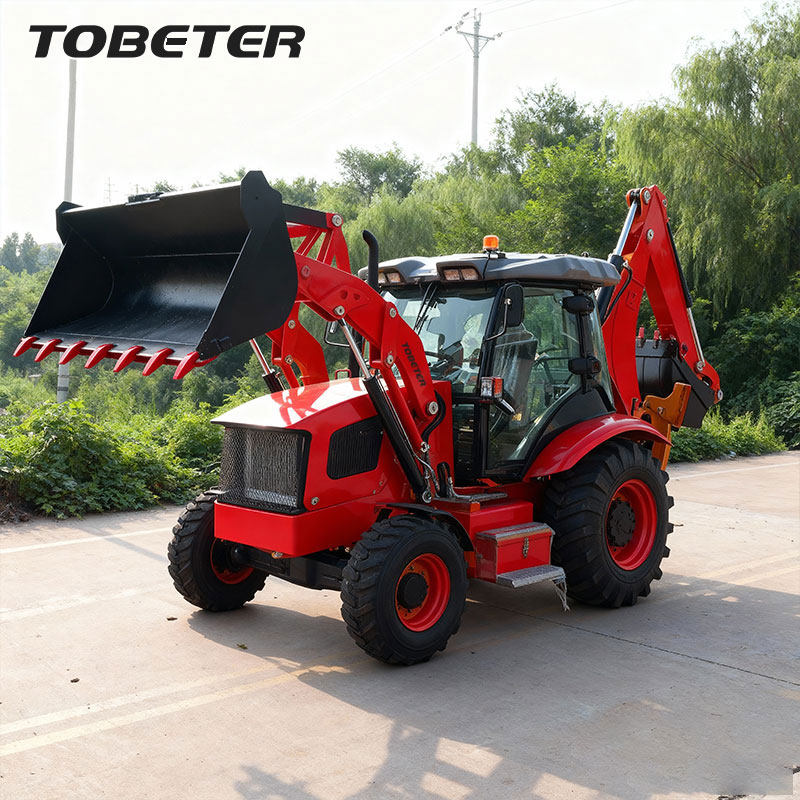
Over the next ten years, the global market for construction machinery will continue to grow steadily. Emerging markets, urbanization, and increased investment in infrastructure (including through the energy transition) will continue to generate demand for construction equipment in the various regions of the world.
The uptake of smart machines (those that use sensors, automation, or electric power) will increase as the costs associated with those new technologies decrease. The use of new construction methods, such as Building Information Modeling (BIM) and smart city initiatives at the local level, will also create demand for equipment that is connected and has the ability to process information in a smart manner.
The construction machinery industry has considerable upside potential, especially in relation to sustainability and the transformation of the industry digitally, while also having great potential for growth in new markets. However, there are also many risks to the industry, including economic uncertainty, changing regulations, and disruption to technology. Manufacturers and contractors will have to continue to be flexible and innovative as these risks continue to emerge.
The global construction machinery industry is undergoing a significant transformation. Rapid technology changes, urbanization, and infrastructure expansion in developing countries are defining the future of construction and creating many new opportunities for manufacturers and contractors. Innovation, automation, digital transformation, and electrification are transforming the way in which construction equipment is both configured and used. In addition, there are many more economic, safety, and environmental efficiencies that will result from these transformations.
While the global construction machinery industry has many obstacles—high capital costs, supply chain risks, and severe labor shortages—the long-term outlook for this industry is positive. As continued commitment by governments and private investment supports infrastructure and sustainable development, construction machinery will remain an indispensable driver for long-term economic development worldwide. Manufacturers that embrace innovative strategies and new business models, while adapting to rapidly changing market requirements, will be optimally positioned to succeed in the future construction machinery industry.