EN
EN

In the global heavy equipment industry, size is more than a visual statement—it is a measure of production capacity, structural engineering, and mechanical endurance. The world’s largest wheel loader models are built not for ordinary construction sites, but for vast mining operations and high-volume material handling environments where efficiency determines profitability.
These machines represent the highest level of loader design. Every structural component, hydraulic system, drivetrain element, and electronic control module is engineered to withstand extreme loads and continuous duty cycles. They are not simply scaled-up versions of compact loaders; they are purpose-built industrial systems designed to move thousands of tons of material every shift.
While manufacturers like Caterpillar, Komatsu, Liebherr, and Volvo Construction Equipment dominate the ultra-class mining segment, companies such as TOBETER contribute to the broader wheel loader market by delivering durable, cost-efficient machines for construction, infrastructure, and industrial applications worldwide.
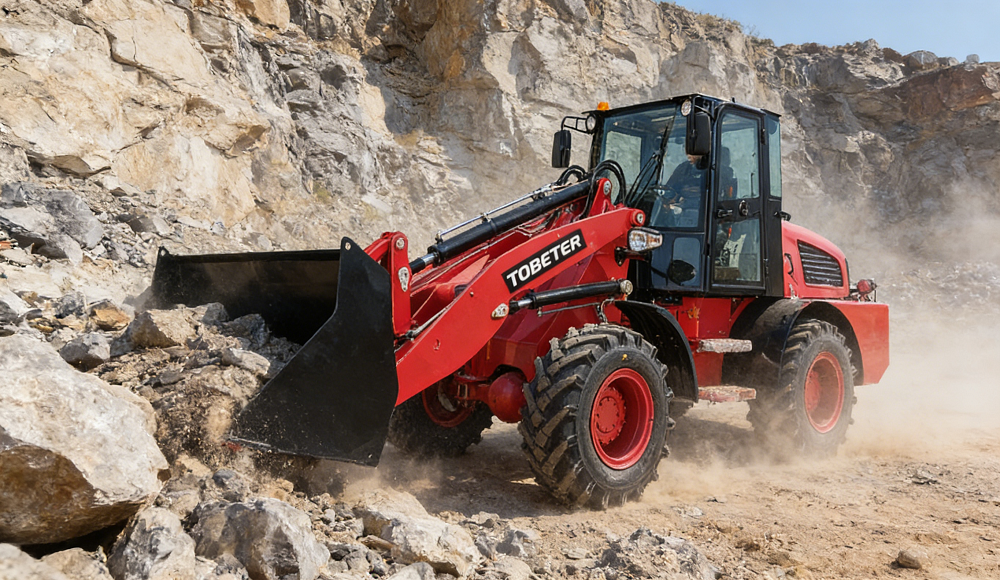
Large wheel loaders play a critical role in open-pit mining and quarry operations. Their primary function is to load rigid dump trucks with extracted material as quickly and efficiently as possible. The concept of “pass matching” is central to mining productivity. A properly matched loader can fill a haul truck in three to five passes, reducing cycle time and optimizing fuel consumption.
In these operations, every minute counts. If a loader can reduce loading time per truck, overall production increases significantly. Over the course of a year, this efficiency translates into substantial operational savings. Unlike excavators, which operate from a stationary position, wheel loaders provide greater mobility. They can travel across the site, reposition quickly, and adapt to varying loading points. This flexibility is valuable in dynamic mining environments where excavation faces shift regularly.
The world’s largest wheel loaders often exceed 200,000 pounds (approximately 90,000 kilograms) in operating weight. Engine outputs can surpass 1,800 horsepower, delivering the torque required to handle dense ore and heavily compacted rock.
Bucket capacities typically range between 35 and 50 cubic yards, depending on configuration. These buckets are reinforced with abrasion-resistant steel and heavy-duty cutting edges to endure constant impact with hard materials. Structural frames are built using high-strength alloy steel to maintain rigidity under extreme torsional forces. Hydraulic systems are engineered to generate immense breakout force while maintaining smooth control. Moving a fully loaded bucket at height requires precise coordination between pumps, cylinders, and electronic control units. The hydraulic architecture must also manage heat dissipation, especially during continuous loading cycles in high-temperature environments.
Among the most recognized large loader models is the Cat 994K, produced by Caterpillar. This machine has become a benchmark in mining applications worldwide. The Cat 994K delivers approximately 1,700 horsepower and supports bucket capacities exceeding 40 cubic yards. Its frame design emphasizes structural durability, while its powertrain is optimized for fuel efficiency in high-production settings.
One of its distinguishing features is integrated payload management technology. Onboard systems monitor loading weight, cycle times, and fuel usage in real time. This data allows fleet managers to optimize operations and reduce unnecessary wear. Caterpillar’s approach emphasizes serviceability as well. Given that downtime in mining operations can cost tens of thousands of dollars per hour, accessibility to major components is critical.
Komatsu’s WA1200-6 is another engineering giant in the wheel loader segment. With horsepower ratings approaching 1,900 HP and operating weights above 220,000 pounds, it stands among the most powerful loaders in operation.
The WA1200-6 is engineered to pair with ultra-class haul trucks, delivering efficient pass matching and consistent loading performance. Its cooling systems are specifically designed for extreme climates, ensuring operational reliability in both desert heat and sub-zero mining regions. Operator comfort also plays a role in productivity. Advanced cabin isolation systems reduce vibration and noise, improving concentration during long shifts.
Liebherr has introduced significant innovation in large wheel loader design through hybrid drive systems. Models like the L 586 XPower incorporate a power-split drivetrain that combines hydrostatic and mechanical drive components. This system automatically adjusts power distribution to optimize fuel efficiency and traction. The result is reduced fuel consumption without compromising performance. In high-volume aggregate and quarry operations, these efficiency gains accumulate over time, lowering total cost of ownership. Hybrid drive architecture demonstrates how innovation in energy management is shaping the next generation of heavy equipment.
Volvo Construction Equipment’s L350H is another heavyweight contender in large-scale loading operations. Designed for quarrying and mining, it integrates advanced load-sensing hydraulics with intelligent engine management systems. The L350H emphasizes fuel efficiency and operator safety. Reinforced ROPS/FOPS cabin structures protect operators, while panoramic visibility enhances situational awareness around large haul trucks and equipment. Volvo’s engineering philosophy integrates sustainability considerations alongside productivity, reflecting evolving environmental regulations in global markets.
Scaling a wheel loader to ultra-class dimensions presents complex engineering challenges. Structural stresses increase exponentially as bucket size and lift height grow. Articulation joints must withstand extreme torsion during turning under load. Axles and drivetrain components must manage immense torque without premature wear.
Material science plays a vital role in addressing these challenges. High-strength, low-alloy steels provide structural integrity without excessive weight. Advanced welding techniques ensure uniform stress distribution across load-bearing joints. Cooling systems also become significantly more sophisticated at this scale. Engines generating nearly 2,000 horsepower produce tremendous heat. Efficient airflow management, reinforced radiators, and high-capacity fans are necessary to maintain optimal operating temperatures.
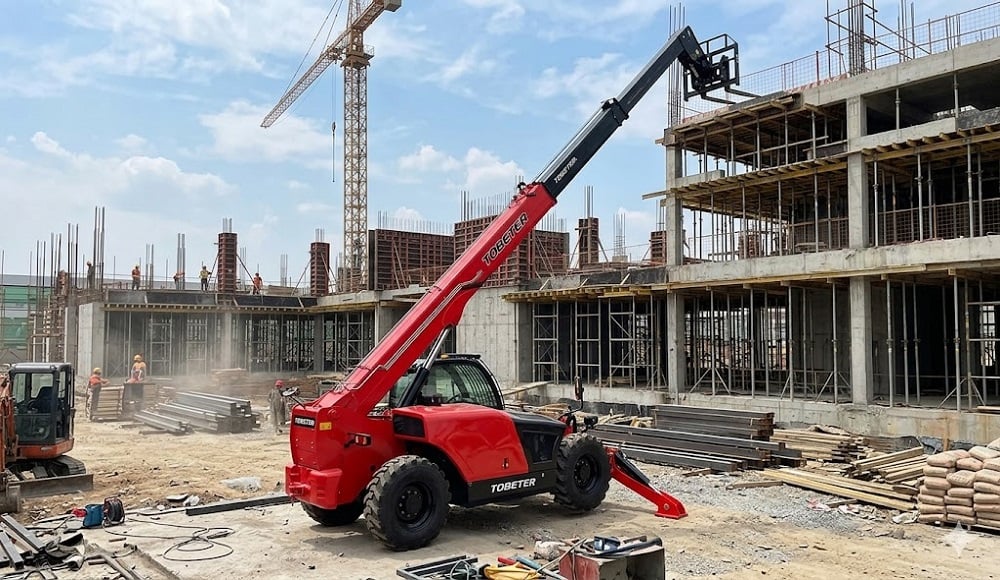
While ultra-class mining loaders dominate headlines due to their size, the majority of global construction projects rely on mid-sized and compact wheel loaders. Infrastructure development, urban construction, agricultural operations, and industrial material handling require machines that balance power, efficiency, and affordability.
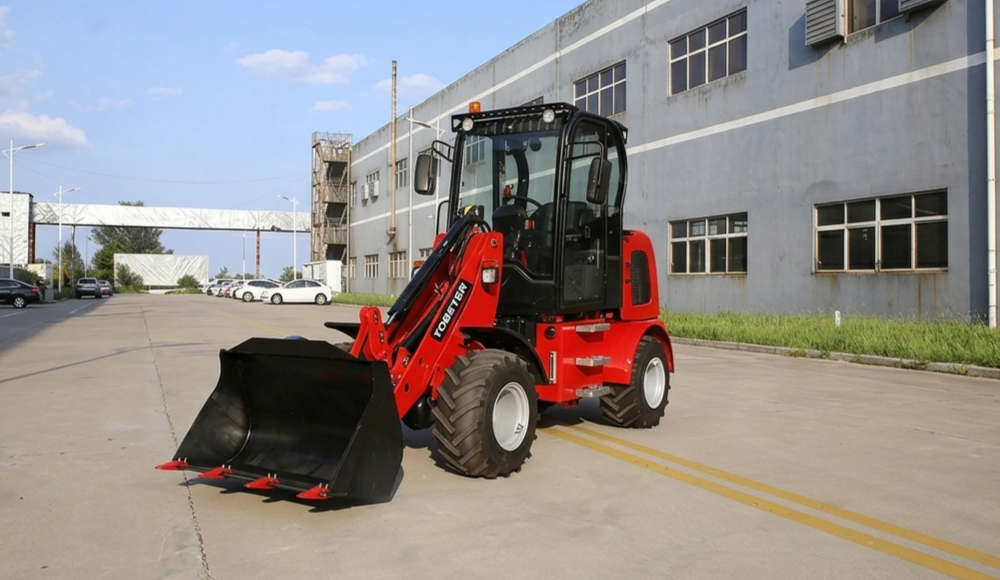
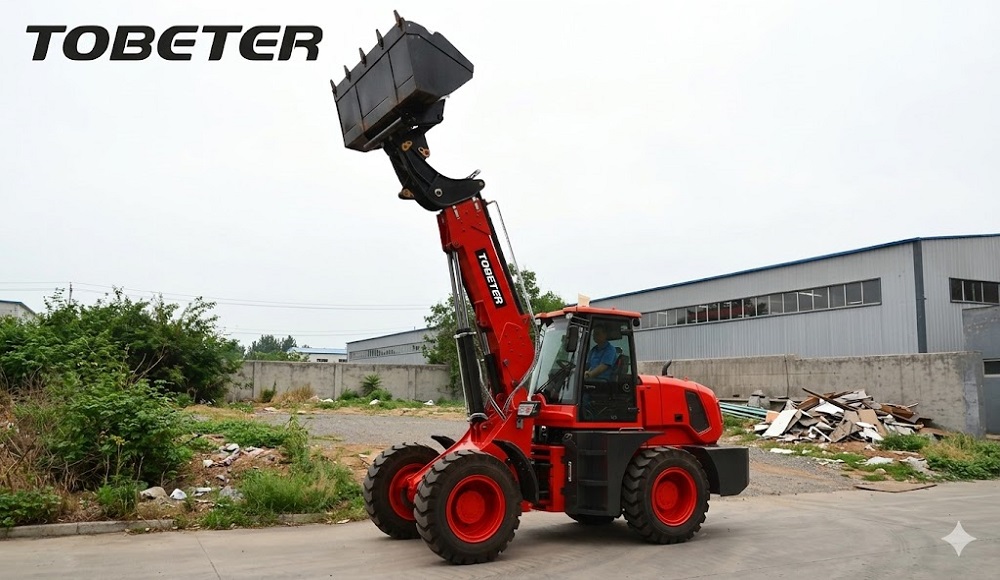
TOBETER focuses on delivering reliable wheel loader solutions tailored to these applications. Unlike mining giants designed exclusively for extraction industries, TOBETER wheel loaders emphasize versatility, fuel efficiency, and ease of maintenance.
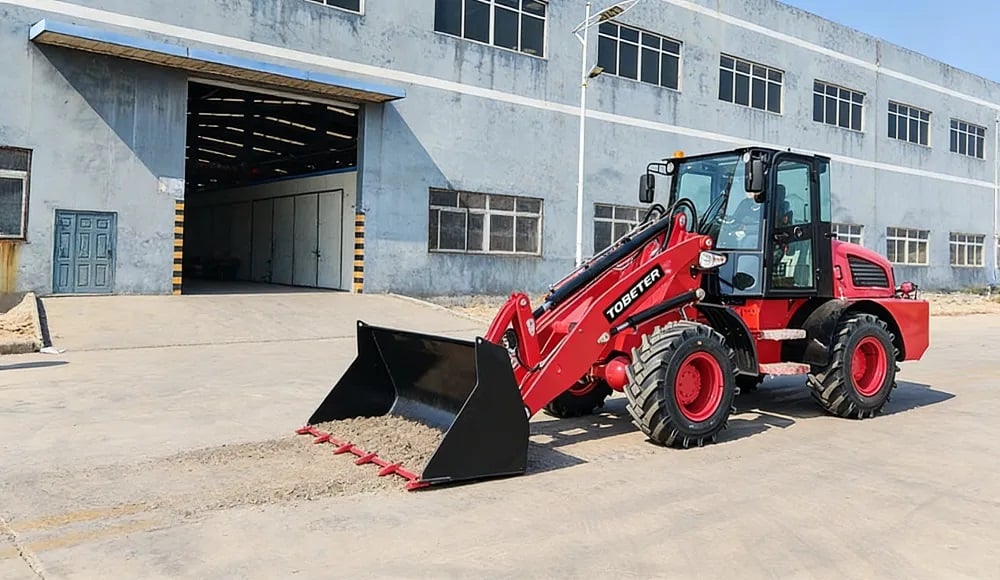
The TOBETER product range includes compact and mid-sized loaders engineered for digging, loading, trench backfilling, and site preparation. Designed with durable frames and efficient hydraulic systems, these machines provide dependable performance across construction and municipal projects. For contractors who do not require ultra-class mining capacity, TOBETER equipment offers a practical and cost-effective alternative while maintaining high engineering standards.
The economic significance of the world’s largest wheel loaders extends far beyond their purchase price. These machines influence operational efficiency at a systemic level. Reducing the number of passes needed to fill a haul truck lowers fuel consumption, reduces tire wear, and improves fleet coordination.
In mining, incremental efficiency gains can produce millions in annual savings. For this reason, large loaders are viewed as strategic assets rather than simple machinery. Similarly, in the construction and infrastructure sectors, choosing the right wheel loader size directly impacts project timelines and labor costs. A properly sized machine reduces equipment redundancy and maximizes jobsite productivity.
The next generation of large wheel loaders will likely emphasize automation, data integration, and energy efficiency. Semi-autonomous operation is already being explored in mining fleets. Real-time diagnostics and predictive maintenance systems are becoming standard. Electrification at ultra-class scale remains technically challenging due to battery weight and energy density limitations. However, hybrid systems and alternative fuel technologies are gaining traction.
As environmental standards evolve, manufacturers must balance power with sustainability. Intelligent hydraulic systems, improved combustion efficiency, and digital fleet management will define future engineering advancements. For companies like TOBETER, innovation in mid-sized and compact loaders will also focus on fuel optimization, operator comfort, and smart control systems—ensuring competitiveness in a rapidly modernizing industry.
The world’s largest wheel loader models represent the pinnacle of heavy equipment engineering. Machines from Caterpillar, Komatsu, Liebherr, and Volvo Construction Equipment showcase immense horsepower, structural resilience, and advanced control systems designed for mining-scale productivity.
At the same time, the broader wheel loader market continues to evolve. While ultra-class machines dominate mining, manufacturers like TOBETER provide versatile and reliable solutions for construction, infrastructure, and industrial applications worldwide. From engineering giants moving hundreds of tons per hour to adaptable loaders supporting urban development, wheel loader technology remains a cornerstone of global progress.