EN
EN
As the landscaping and construction seasons of 2026 kick into high gear, the demand for versatile, high-efficiency machinery has never been greater. At TOBETER, we’ve seen a significant shift in how our partners approach site logistics. The days of relying solely on massive, lumbering machines are fading. Instead, the compact telehandler has emerged as the "Swiss Army Knife" of the modern job site.
In this guide, we dive deep into the two metrics that define this machine’s value: Reach and Lift Capacity. Understanding how these two work together is the difference between a productive day and a costly tipping hazard.
A compact telehandler is typically defined by its "super-compact" footprint—often standing less than 6.5 feet tall and 6 feet wide. Yet, these machines are engineered to punch far above their weight class.
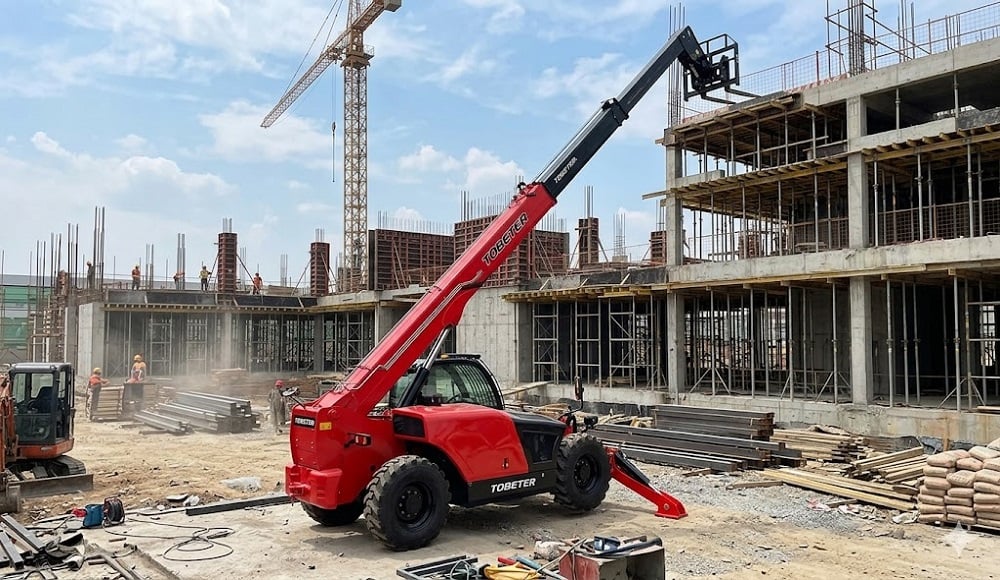
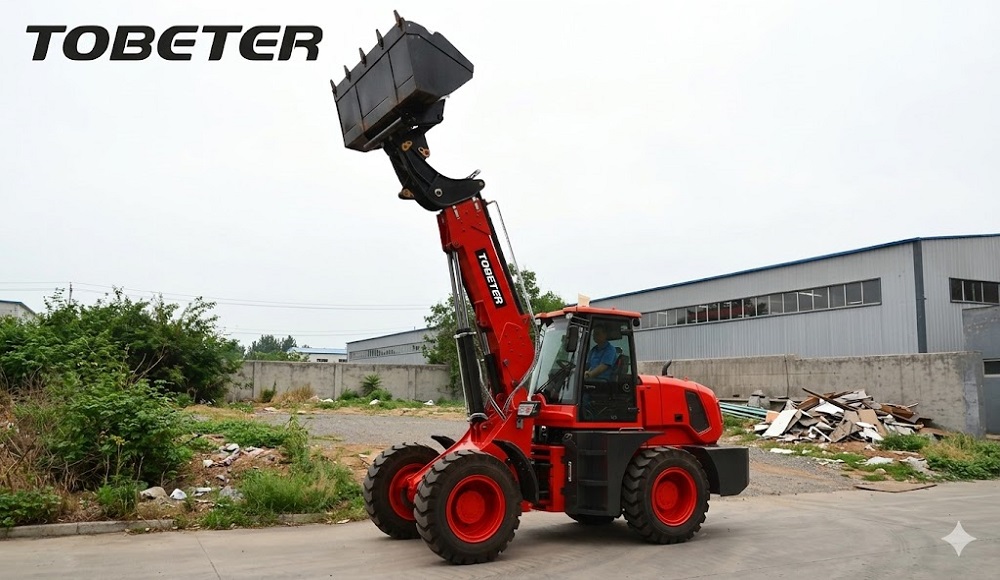
Vertical Height: Most 2026 compact models, such as the JCB 525-60, offer a maximum lift height of approximately 20 feet (6 meters). This allows you to reach the second story of a residential build or stack hay bales to the very rafters of a barn.
Horizontal Reach: The telescopic boom typically extends forward between 10 and 11 feet. This "forward reach" is what separates a telehandler from a standard forklift, allowing you to unload a flatbed truck from a single side or reach over a garden wall without driving onto a client’s pristine lawn.
At TOBETER, we always remind our operators: Your maximum capacity is a moving target. A machine's rated capacity is only applicable when the boom is retracted and at a high angle.
| Boom Position | Typical Lift Capacity (2.5-Ton Model) | Real-World Application |
| Fully Retracted | 5,500 lbs (2,500 kg) | Moving heavy pallets across a flat yard. |
| Max Lift Height | 4,400 lbs (2,000 kg) | Placing materials onto a 2nd-floor balcony. |
| Max Forward Reach | 1,700 – 1,800 lbs (800 kg) | Reaching across a ditch to drop a load. |
The TOBETER Rule: Never guess your load. In 2026, our machines come standard with Longitudinal Load Moment Indicators (LLMI). These systems provide a "stop-light" visual in the cab (Green, Amber, Red) to let you know exactly how much "reach" you have left before the machine becomes unstable.
Modern engineering has added "intelligence" to the raw iron of the boom. When looking at the 2026 lineup, these three features are non-negotiable for a high-efficiency fleet:
High-flow auxiliary hydraulics (ranging from 18 to 32 gallons per minute) turn the telehandler into a multi-tool. At TOBETER, we see our clients switching from pallet forks to grapple buckets, sweepers, or even snow blowers in under 60 seconds.
To maximize that compact footprint, you need more than just front-wheel steering:
Two-Wheel: For high-speed road travel between sites.
Four-Wheel: For the tightest possible turning radius in narrow warehouse aisles.
Crab Steering: For moving the machine diagonally—essential for "inching" into a tight corner or sideways alongside a building.
For 2026, the JLG E313 and other electric models have changed the game for indoor warehousing and urban "noise-sensitive" zones. These machines offer the same 3,500-lb capacity as their diesel counterparts but with zero exhaust and near-silent operation.
While a 10,000-lb capacity "High-Reach" machine is great for skyscrapers, the compact telehandler wins on 90% of residential and agricultural sites.
Transportability: Most compact units weigh under 11,000 lbs, meaning they can be hauled on a standard trailer with a 3/4-ton pickup truck. No "Oversize" permits required.
Turf Friendliness: The lighter operating weight means less soil compaction—a critical factor for landscapers and golf course managers.
Low Operating Cost: Smaller engines mean lower fuel consumption and simpler maintenance (often avoiding the need for DEF/DPF fluids).
The compact telehandler isn't just a "small machine"; it's a precision instrument. By mastering the relationship between reach and lift capacity, you unlock a level of site agility that traditional loaders simply can't match.