EN
EN

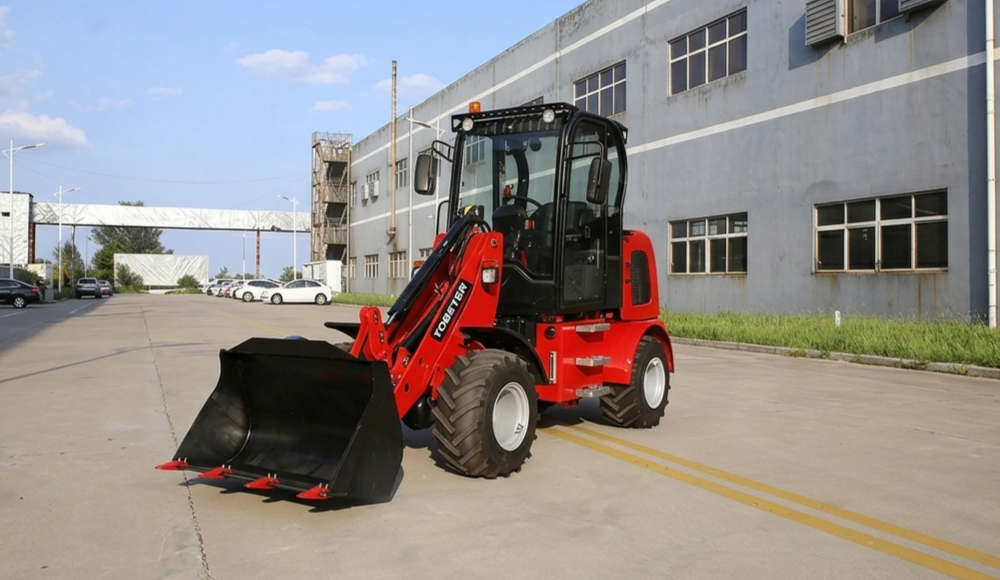
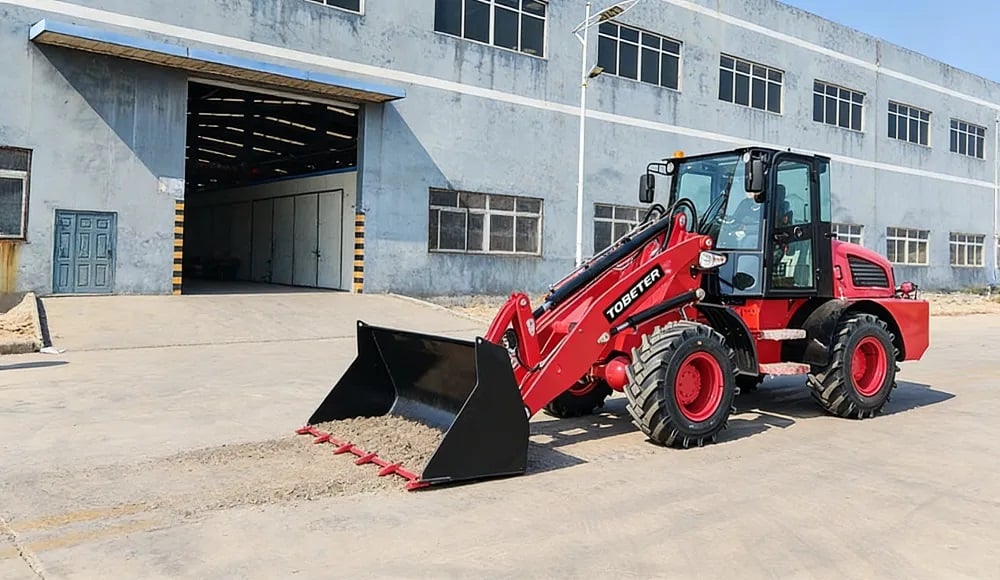
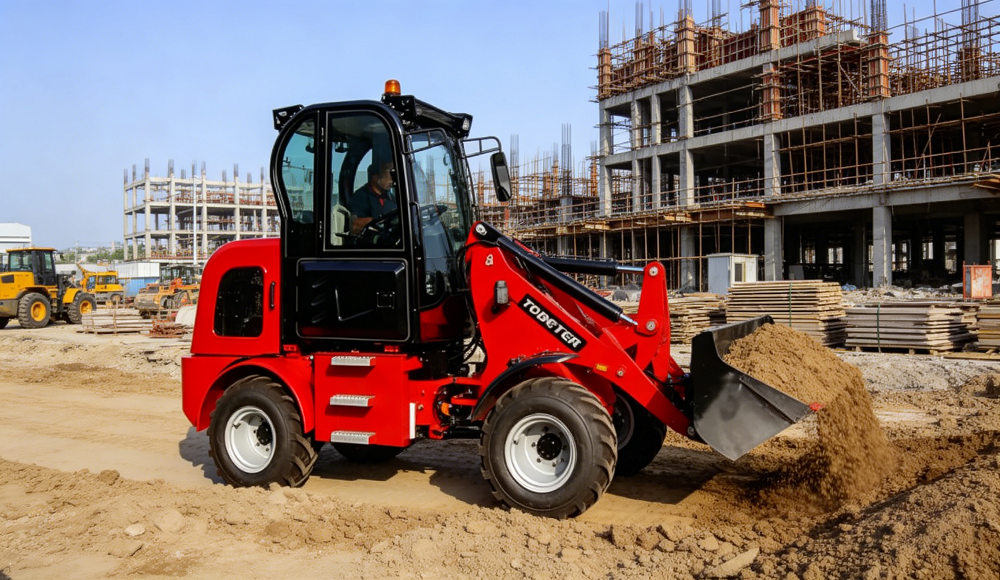
Compact articulated wheel loaders provide an indispensable piece of equipment for those working on dynamic job sites requiring high-capacity lifting as well as precise maneuvering in small environments. Most people think of agility only in connection with size; however, real agility is achieved when there is a balance of a well-built chassis to provide strength and a flexible frame for versatility. Here is a closer look at how these machines integrate both stability and agility to create a new standard of productivity in the workplace.
Engineering Agility: Articulated Steering
Articulated loaders incorporate a joint at the center of the chassis which provides one of the hallmark traits of these loaders—the ability of the loader to pivot as a complete unit rather than simply driving the front tires and sliding the rear tires, as allowed with skid steers.
Tight Turning Radius: Articulated loaders can "fold" into themselves around corners and narrow pathways—the articulation joint allows the loader to navigate 90-degree corners.
True-Path Tracking: Because of the articulated design, the rear tires follow exactly where the front tires go. This advantage is essential in confined spaces as, once the load is off the front of the machine, the operator only needs to have concern over the area in front of the machine because the rear will follow safely behind.
Turf-Friendly Maneuverability: Because the tires do not slide or skid during a turn, articulated loaders create virtually no impact to the ground and are ideally suited for finished landscape work, golf courses, and asphalt.
Foundation of Stability: Weight Distribution
Small machines have always had the reputation of sacrificing stability for mobility; however, articulated loaders exhibit an inherent stability due to their unique center of gravity.
Oscillating Joints: Most compact loaders have a high-quality oscillating joint that allows for independent tilting of the front and rear sections; this means that four tires will always be in contact with the ground, even when either section of the loader is traversing over obstacles such as curbing or uneven ground.
Low Center of Gravity: Articulated loaders are designed with the engine and hydraulic pumps located low down on the rear chassis; therefore, the loader acts as its own counterweight providing a very high-rated operating capacity (ROC) in relation to its footprint.
Load Management: Higher seat heights in articulated loaders allow operators to have a 360-degree view of the load and the surrounding job site. This feature dramatically reduces the risk of tipping over due to unseen objects.
Vision for TOBETER: Versatility without Compromise
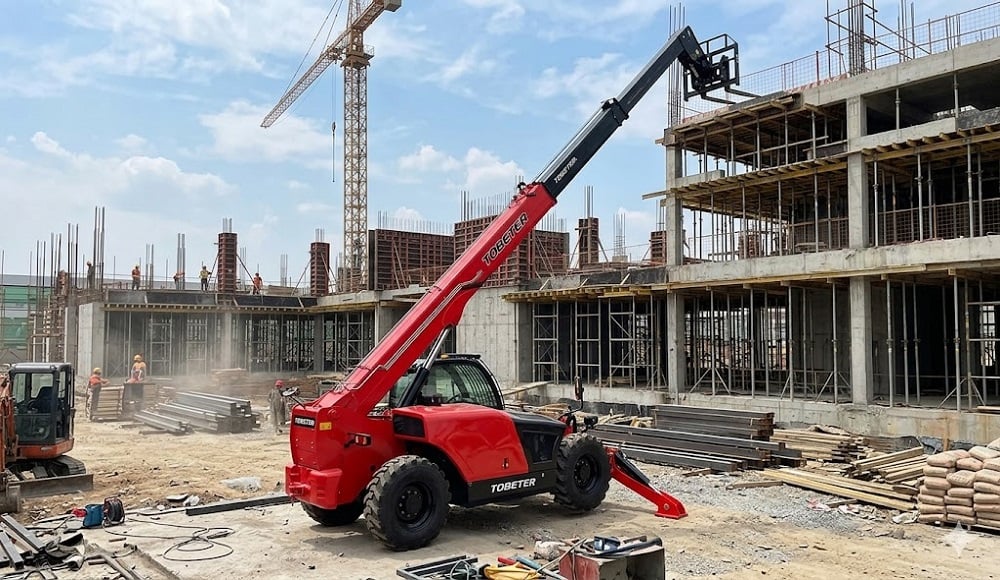
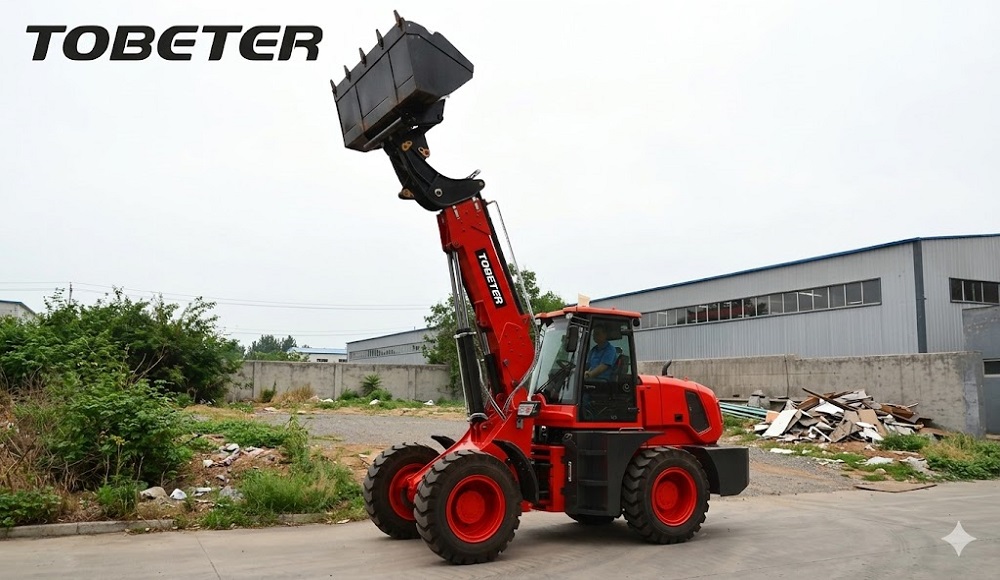
TOBETER understands that each job site is different daily; therefore, our focus on compact loaders goes beyond the loader itself and the quick attach systems. With one articulated loader, the operator can change from a pallet fork to a grapple bucket for material handling to debris removal in less than 30 seconds.
By choosing a loader that offers both stability and agility, you are eliminating the need for secondary manual labor and/or multiple pieces of equipment. TOBETER provides the iron that will ensure your project moves forward regardless of how much space you have to work with.