EN
EN

Loader equipment attachments are interchangeable tools or implements mounted onto various types of loader equipment such as wheel loaders, skid steers, skid steer loaders, compact track loaders, etc. Loader attachments have a wide variety of uses depending upon the kind of loader to which they are attached and how they are used. For instance, while wheel loaders (the most commonly-used type) are used mainly in construction to move soil and other materials, skid steer loaders (the second least common type) are used primarily in warehouses to carry and transfer pallets.
Loader attachments serve two primary functions for the operator: increasing the capabilities of the machine and increasing the amount of work that can be completed with a single machine. Adding attachments to loaders increases the machines' working capacity and the versatility and efficiency with which they can perform work by offering the attachment operator the option to switch between attachment types, allowing the operator to change from digging or lifting dirt or material to transporting, drilling, sweeping, or compacting specialized materials. As a result, fewer pieces of equipment are needed, which results in lower equipment operating cost and increased productivity.
The objective of this guide is to introduce you to the variety of different types of loader attachments available, to provide you with guidance on how to choose the right type of loader attachment for your operation, and to help increase the return on your loader investment and maximize the efficiency, safety, and long-term cost savings your loader can bring to your business.
Loader equipment attachments are interchangeable tools or implements designed to mount onto loaders. They are typically connected to loaders through quick attach systems, and they can be operated either hydraulically or mechanically, depending on how the attachment will be utilized. Using many different types of attachments gives loader operators the ability to take one loader and make it a multi-functional machine that will do numerous jobs.
Loader operators do not need to use many different kinds of machines for raising, excavating and drilling holes. They can use one kind of loader equipped with different attachment devices. Because of the versatility of loader operations, they are an excellent choice for companies that need to provide versatility, efficiency and reduced costs when completing their jobs.
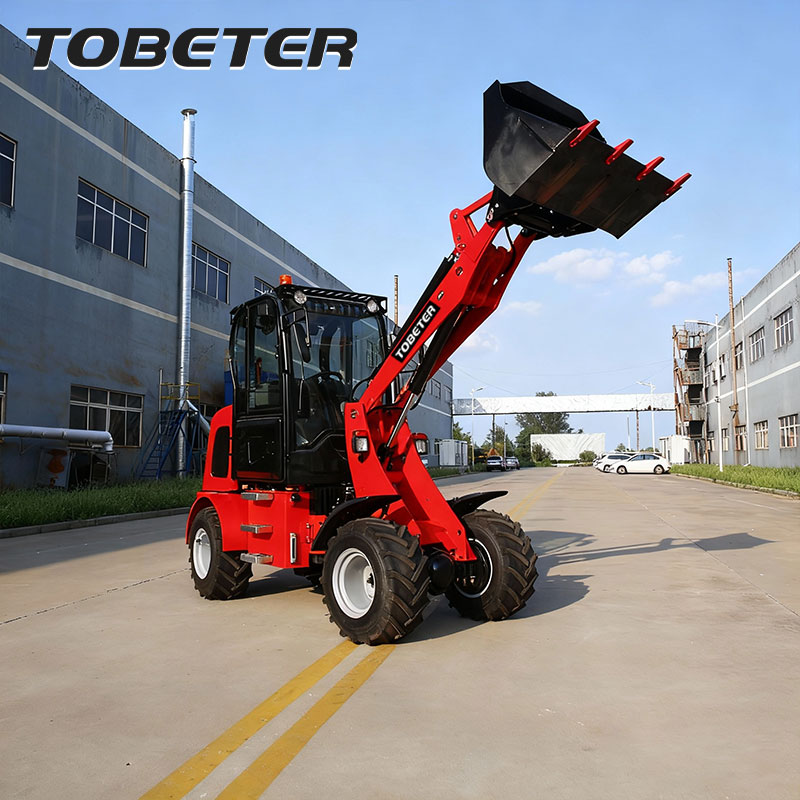
There are several variations of loader attachments due to their intended use and the materials they will handle. A loader operator or a manager of a loader operation will be able to select an attachment that meets the operational needs of the loader operator by knowing the major categories of attachments that are available for loader equipment.
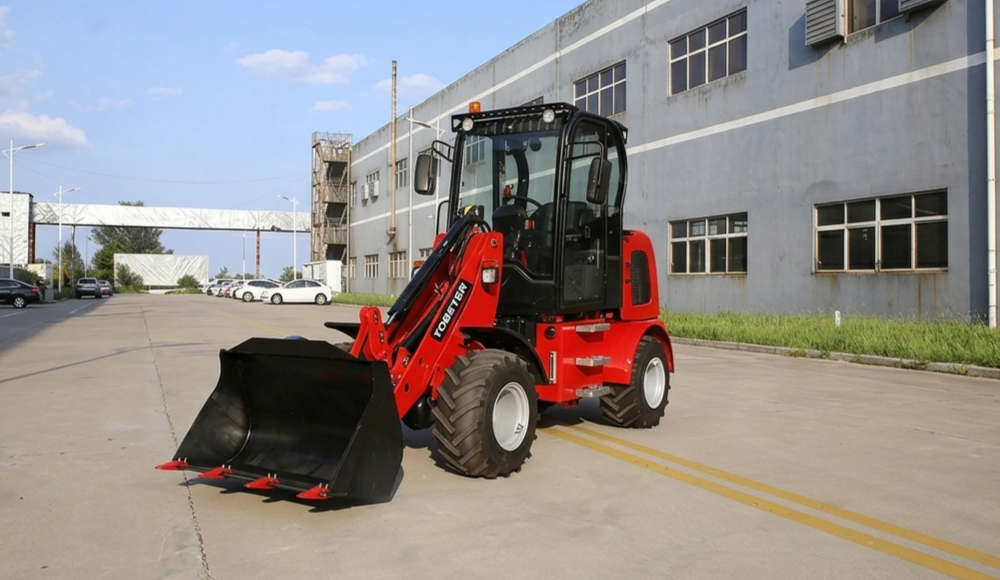
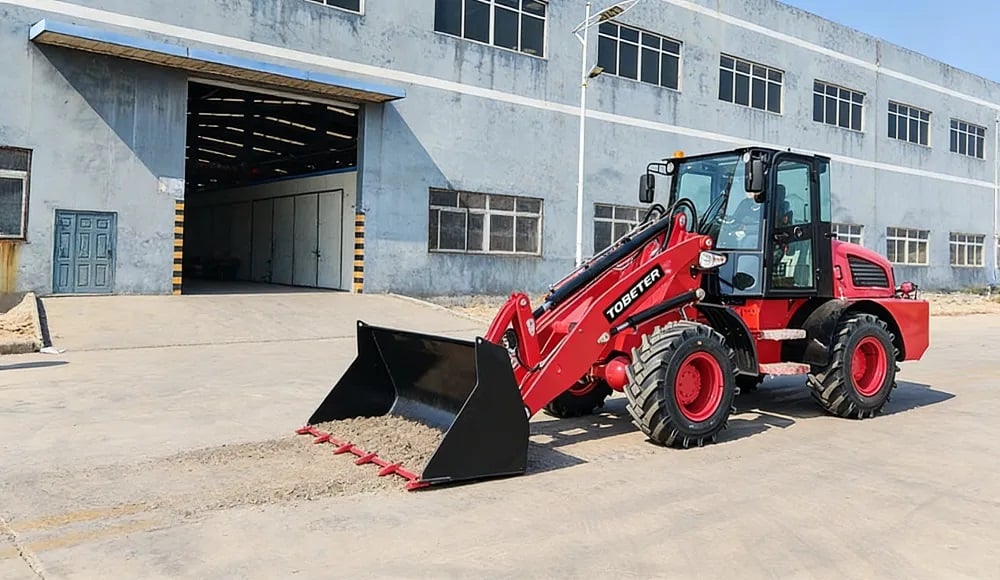
Buckets are the most commonly used loader attachment and the main part of a loader's ability to transport and manage materials. The uses for buckets range from digging to scooping to moving materials and dumping/dumping. There are many different applications that use buckets. In addition to using the bucket for general-purpose digging and loading operations, standard buckets are multipurpose; that's why they are the most used loader attachment.
Many loader operators and managers have found that general-purpose buckets will work with a range of materials, including sand, gravel and soil, and they are commonly found in construction and landscape operations. Rock buckets differ from other types of bucket because of how they are built (i.e., stronger steel) and being further apart in design (i.e., tines spaced further apart). Rock buckets are typically utilized to transport large loads such as rocks and concrete debris.
Lightweight material buckets, like rock buckets, allow you to collect more with one trip. Examples of lightweight materials that can be collected include snow, mulch, grain, and wood chips.
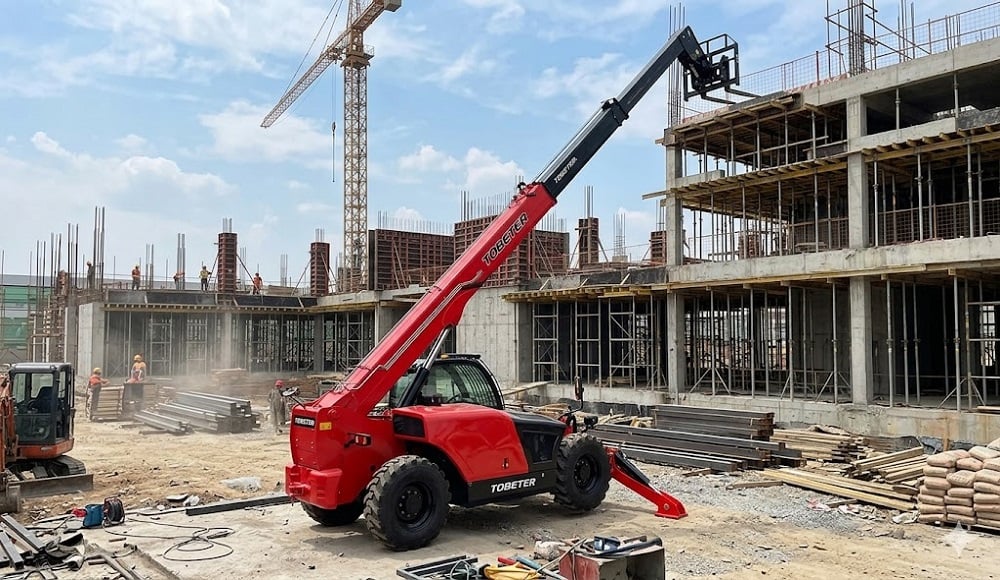
Fork attachments convert the loader into an efficient lifting and material handling device. Commonly used in warehouses, construction sites, farms, and industrial plants, using a pallet fork attachment offers an alternative to forklift trucks when the ground is uneven or difficult to navigate.
Pallet forks are designed to lift and transport palletized goods, offering an alternative to forklifts in rough or uneven terrain. Industrial forks are heavier-duty versions built to handle large, dense loads such as steel pipes or concrete blocks. Adjustable fork frames allow operators to change fork spacing easily, providing flexibility when handling loads of different sizes and shapes.
Grapples and clamps are attachments that grip and securely hold a load and then move it. Grapple and clamp attachments are manufactured specifically to work with irregularly shaped or bulky materials that are difficult to move with buckets or forks.
The root grapple is a popular attachment for land clearing, brush removal, and debris removal. Log grapples are more common in the forest and sawmill industries and are used to pick up and transport logs and timber. The use of scrap grapples in recycling and demolition allows operators to safely and efficiently handle scrap metal, scrap waste and debris.
Augers and drilling attachments are specialized equipment used for digging holes in the earth's surface. These holes may be used to install fence posts, foundations or other landscaping materials.
The majority of augers are used by contractors for digging holes in preparation for placing posts, plants and small concrete foundations. Hydraulic augers are similar to traditional augers, but they are more powerful and can penetrate through compacted soils or kneaded clay. The use of augers and drills has significantly decreased the time and labour necessary to drill a hole, while also improving accuracy.
There are various types of specialized attachments used to complete specific tasks in addition to the standard operation of loading and unloading materials from the loader. Snow plows and snow blowers are used in the winter to clear snow from roads, parking lots and sidewalks. Streets and industrial locations are cleaned using sweepers and brooms, increasing cleanliness and safety.
Loaders equipped with trenchers are capable of digging narrow and precise trenches in which to place utility lines, drainage piping and garden irrigation lines. Concrete mixers allow for the mixing of concrete on the job site, which reduces dependence on delivery from outside suppliers and enhances the workflow of the site. A compactor is attached to the front-end loader to compact soil, gravel or asphalt in order to create a solid base or surface. These specialized attachments increase the versatility of loaders, enhancing their overall value to contractors.
Selecting the right loader attachment requires careful consideration of several factors to ensure compatibility, performance, and safety. A well-chosen attachment not only improves productivity but also extends the lifespan of both the attachment and the loader itself.
When it comes to selecting attachments for your loader, the key aspect to evaluate is compatibility. Depending on the size and load capacity of your loader, you will need to select an attachment with the same sizing/weight profile in order to perform functionally and safely.
It is also important that when selecting an attachment that requires hydraulic power, you need to confirm that the hydraulic flow and pressure demands of the attachment match the loader's hydraulic system. The hydraulic system on your loader must be capable of delivering what is required by the attachment. Likewise, if you have a quick attach system, it must also match your loader to prevent long downtimes.
Job requirements are extremely important when evaluating which loader attachment will best fit your needs. Take into account the type of materials to be handled and the working environment where the loader will be used to help you find the most appropriate attachment for your needs. For instance, heavy-duty material handling would typically require a well-reinforced bucket, and a compact loader attachment would be used where there are space limitations.
Frequency of use is also an important factor to take into account when choosing loader attachments. In selecting attachments for daily use, you should give greater attention to the durability of the attachment's design and the amount of maintenance required for the attachment. Select attachments to maximize productivity (speed, precision, load capacity).
Due to their importance in determining performance as well as the life cycle of an attachment, attachment durability and build quality play an important role when deciding how to build the attachments. High-quality attachments are typically constructed from forged high-strength steel with reinforced edges and wear points, allowing them to withstand huge forces, abrasiveness, and extreme environments.
When using attachments in harsh environments, wear resistance is critical. Additionally, the ease of maintaining attachments as well as the availability of replacement components will be important considerations for cost-effective long-term ownership of attachments since any downtime associated with repairing attachments will increase the cost of owning an attachment.
When selecting loader equipment attachments, safety is always the number one consideration. One of the most important aspects of safety is ensuring operator visibility. When operators cannot see their own path clearly, their chances of having an accident rise. Load stability must also remain stable during operation to prevent tipping or losing control.
The manufacturer sets the safety standards for equipment, as well as the safety standards established by the relevant regulatory agency. Operator training and compliance with the standard operating procedures will promote the safest and most effective usage of all loader equipment & attachments.
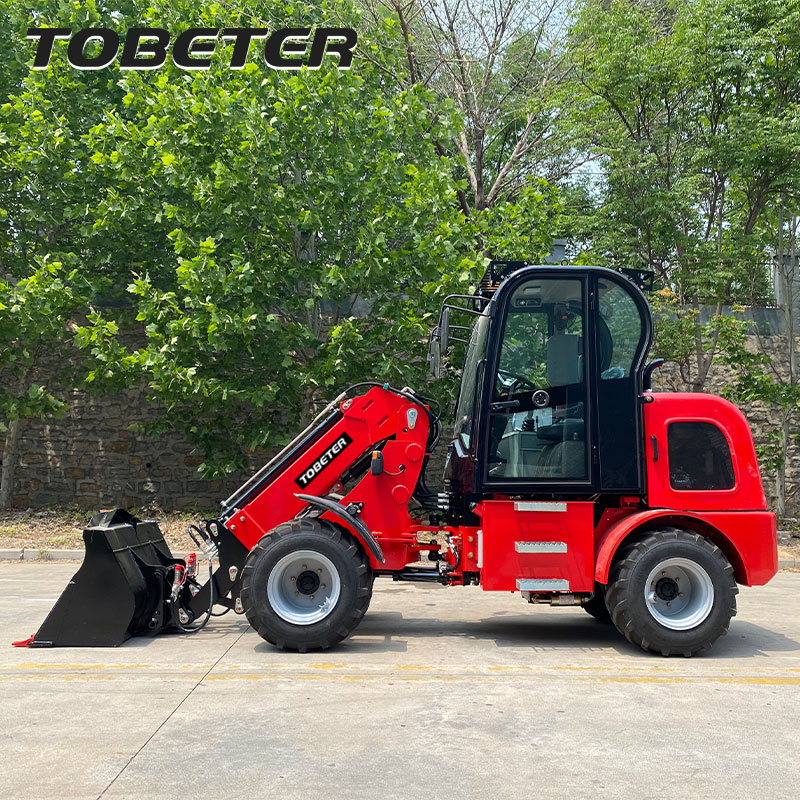
By using the right loader attachments, companies can take advantage of a variety of benefits beyond simply performing the task at hand. One of the benefits of using the appropriate attachment is the increased flexibility and capability that it provides to a loader. Choosing attachments to enhance the number and variety of jobs that a loader can perform creates substantial savings in equipment costs by eliminating the need for other specialised equipment for each job and instead relying on fewer multi-tasking pieces of equipment.
One of the other significant advantages of selecting the appropriate attachments is that they increase the efficiency of operation. The right attachment will allow an operator to execute a task faster and with greater precision. The result is not only an increase in productivity through the reduction of downtime, but also an increase in overall output.
The selection of the proper attachments will also decrease the number of additional pieces of equipment or labour that will be needed to finish a project. By having a loader with multiple attachments, it is possible to replace multiple single-purpose machines with a loader, resulting in lower maintenance and fuel costs associated with those additional pieces of equipment; therefore, the number of operators that will be needed to complete the same amount of work will also be lower, allowing businesses to gain better management of their labour costs.
Selecting the appropriate attachments for a loader will provide an expedited return on investment (ROI). In addition to boosting productivity, selecting the appropriate attachments for a loader and increasing efficiency will result in a faster return on investment (ROI) and allow for a profitable and sustainable business model.
Loader equipment attachments are valuable and necessary tools to unlock the full potential of a loader in every industry that uses loaders for industry-related purposes. Loader attachments are critical to creating an adaptable and versatile multipurpose piece of equipment and provide operational efficiencies to a loader.
However, selecting the appropriate equipment attachments requires a thorough understanding of the job requirements, compatibility, durability, and safety. Businesses need to make sure that they select their attachments based on their actual needs for the application and not based on what is convenient. Treating the selection process as an integral component of a strategic investment will enhance the performance of a loader and promote long-term growth.