Heavy Equipment at Work: 4 Proven Machines for Job-Site Efficiency

Overview of Heavy Equipment At Work

Overview of Heavy Equipment At Work

Heavy equipment at work highlights the operation of large-scale construction and industrial machines under real job-site conditions, showcasing their ability to be strong, efficient, and reliable. Machines used for earthmoving, lifting, compacting, and other construction processes are vital to safely and effectively complete large construction or industrial projects.
Get A Quote

Advantage of Heavy Equipment At Work

Proven Performance in Real Job-site Environments

The ability of heavy equipment to demonstrate real-life capability in a demanding working environment.

Improve Project Productivity and Efficiency

Heavy equipment allows construction projects to be completed at a much higher rate than the amount of manual labour required.

Improve Safety and Control

Heavy equipment comes with a strong framework and high level of stability, along with advanced control systems for improved levels of safety when operated.

Used for Various Construction Applications

Heavy equipment is used in a variety of different construction applications for mining, civil engineering, road construction, and the like.

Heavy Equipment

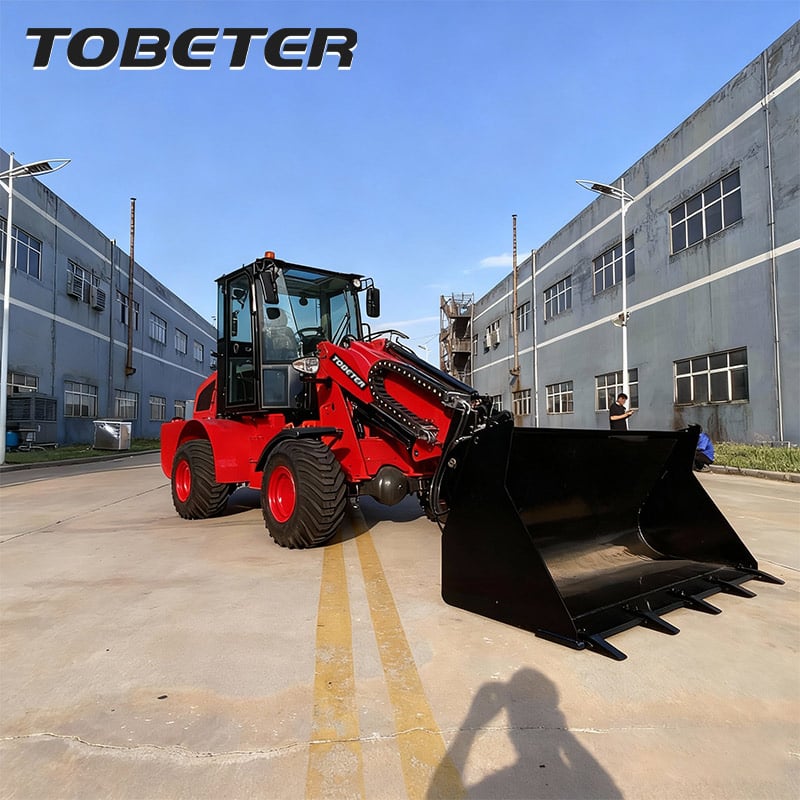
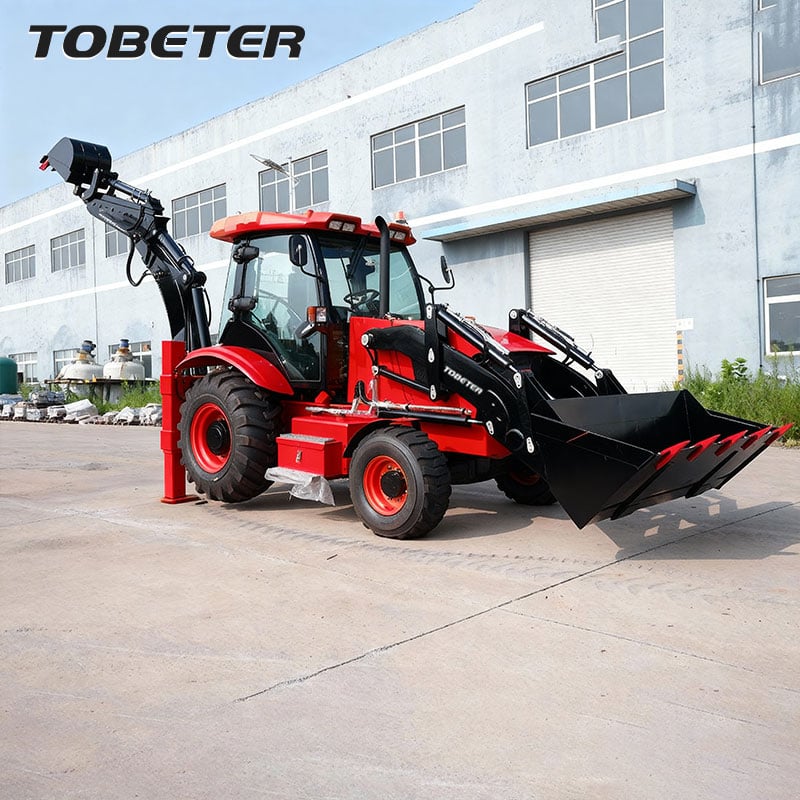
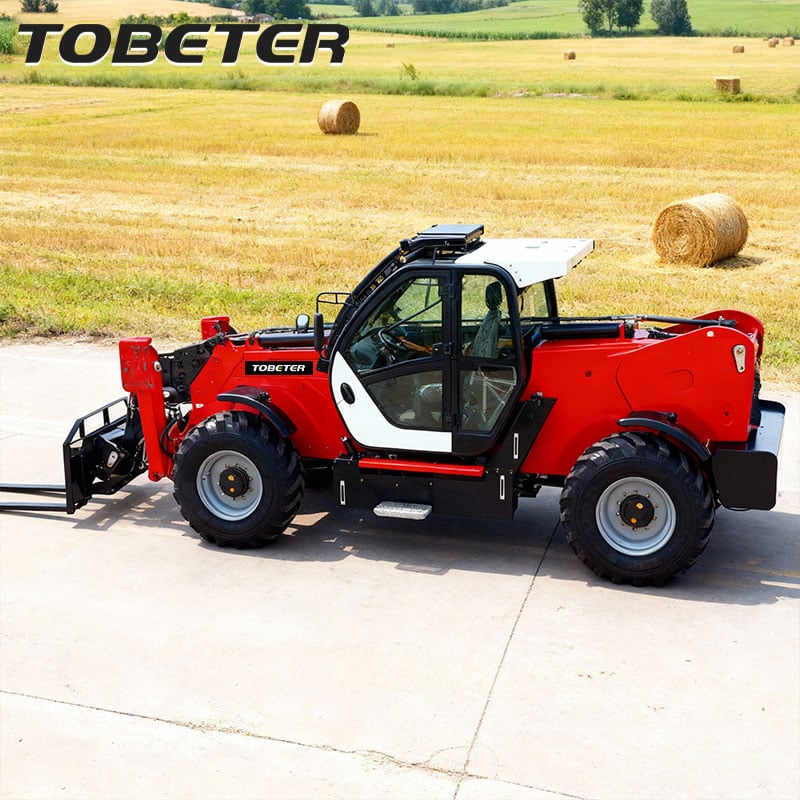
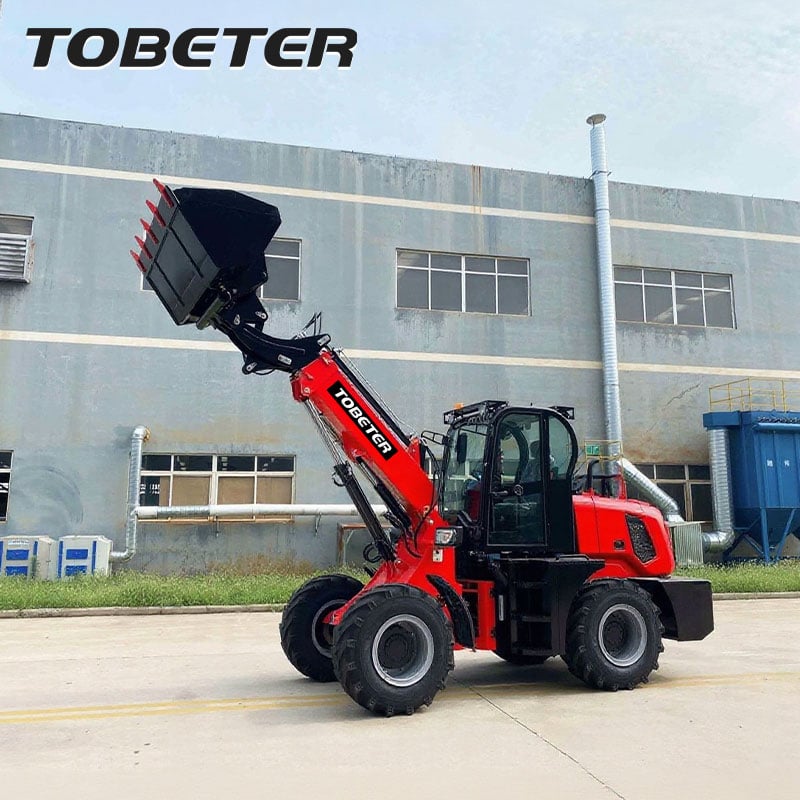
“Heavy Equipment at Work” shows the real-time operation of modern equipment within the context of active construction or industrial job sites. Heavy equipment includes excavators digging and loading; bulldozers moving tonnage; cranes lifting heavy products; road rollers compressing surfaces; and truck loaders efficiently moving small and large quantities of tonnage.

Heavy equipment is built to operate in high-frequency operations, under severe loads, on rough terrain, and in extreme working conditions. The combination of high-capacity and precision-engineered hydraulic systems, the framework of the equipment, and the engines used ensures heavy machinery will be consistent in its performance and last long after being put to use. The performance of heavy machinery enhances construction best practices and results in heavy machinery being used as the most efficient method for increasing jobsite efficiency.

Additionally, modern heavy equipment is designed with operator comfort and safety in mind. An operator’s cabin has enough space to allow for greater visibility; intuitive controls are easy for an operator to find; and safety monitoring systems ensure operators have ample opportunity to perform their job accurately, effectively, and safely for extended periods of time. Heavy Equipment has been designed for quick access to maintenance and has been constructed with solid components that will last up to seven times longer than traditional engineering.
FAQ About Heavy Equipment At Work

What types of machines would typically be classified as “Heavy Equipment At Work”

Heavy equipment at work typically includes machines such as excavators, truck loaders, bulldozers, cranes, graders, and road rollers that are continuously operating on a tangible construction/industrial job site.
Heavy equipment provides improved productivity, reduces manual effort, enhances safety, and ensures efficient and accurate completion of construction tasks.
Yes. Heavy equipment is designed to work in extreme adverse conditions, such as uneven ground, heavy loads, extremely high temperatures, and long hours of work.
Heavy equipment can accomplish a large-scale task much faster than the average manual process and ensure the timely completion of a project at every step.

Get in touch

Company Name
whatsapp
Email
Message
0/1000